
Nepal's Hydropower Dependence Exposed by Catastrophic Floods
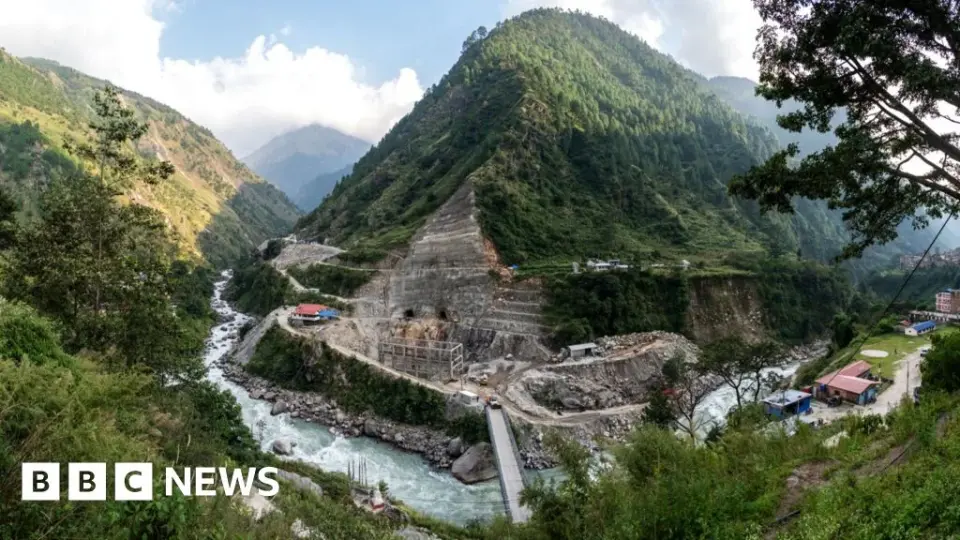
Catastrophic flash floods in Nepal, triggered by a glacial collapse, have killed over 1,300 people and destroyed 12 hydropower plants, wiping out more than 10% of the nation's power generation capacity. The disaster has exposed the severe risks of Nepal's near-total reliance on hydropower, prompting calls to diversify into solar and wind energy and rethink infrastructure design.
Key points
- Over 1,300 people have died, with thousands still missing, following flash floods triggered by a collapsed glacier and bedrock in the Trishuli River basin.
- The floods severely damaged 12 hydropower plants, including the $647 million Upper Trishuli-1 project, reducing Nepal's total power generation capacity by more than 10%.
- Nepal generates nearly 100% of its electricity from hydropower, earning approximately $200 million annually from exports to India and Bangladesh.
- The Nepal Electricity Authority (NEA) has assured households that supply remains adequate, but acknowledges the need for a 'rethink' of hydropower policy due to increasing climate-related disasters.
- Experts and officials are calling for diversification into solar and wind energy, as well as the adoption of reservoir-based plants and improved early-warning systems to mitigate future risks.
Background
Nepal significantly expanded its hydropower infrastructure between 2010 and 2018, moving from frequent power cuts to 24-hour supply for most of the country. The nation currently operates 225 hydropower plants with over 3,900MW of installed capacity. Recent archive reports from September 2026 highlighted ongoing rescue efforts in hydropower tunnels and the massive scale of missing persons and infrastructure damage following the initial disaster.
How outlets are covering it
The BBC and Nepali Times emphasize the strategic vulnerability of Nepal's energy sector, with the BBC noting that high-altitude regions are warming 50% faster than the global average. Nepali Times highlights the financial impact, noting that reconstruction needs could reach Rs900 billion, far exceeding the Rs40 billion in donations received. NDTV provides a ground-level view of the destruction, detailing the submersion of the Jehre power substation in Galchi and the efforts of the Nepal Army to salvage equipment. While the BBC and Nepali Times focus on the need for policy shifts and diversification, NDTV focuses on the immediate physical devastation and rescue operations. International lenders like the ADB and IFC defend their project designs, citing independent technical assessments, while critics like the South Asia Network on Dams argue they ignored known risks.
Why it matters
The disaster underscores the dangers of relying on a single energy source in a climate-vulnerable region. It highlights the need for resilient infrastructure, diversified energy portfolios, and international cooperation in managing climate risks. The financial and human toll will have long-term impacts on Nepal's economy, energy security, and international relations.
What to watch
Nepal is expected to seek billions in funding for rebuilding and may present its case for loss and damage at the upcoming COP conference in Antalya, Türkiye, and the UN General Assembly in New York. The government is likely to revise its energy policy to include more solar and wind power, and to implement stricter safety and early-warning systems for future hydropower projects. Rescue operations for missing workers in hydropower tunnels will continue, though the search has shifted towards rehabilitation efforts.
- Nepal bet nearly everything on hydropower - the floods show why that's a problem BBC
- Fatal Floods Expose Threats to Hydropower in the Roof of the World Bloomberg.com
- Under Water And Slush: Inside Nepal's Power Station Devastated By Flood NDTV
- Nepal must rethink its hydropower future Nepali Times
- Deadly floods test Nepal's hydropower ambitions Reuters
Want the full story? Read the original reporting
Read on BBC