
Oxfam Report: Gaza’s Environment Degraded by 200,000 Tonnes of Explosives
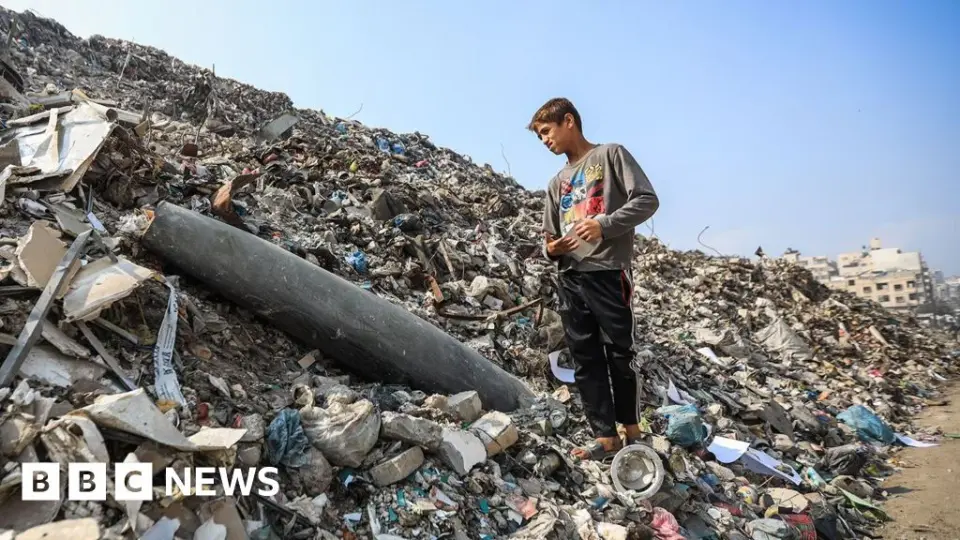
A joint report by Oxfam and the Conflict and Environment Observatory asserts that 99% of Gaza shows signs of environmental contamination following three years of war. The study identifies heavy metals, asbestos, and dioxins in soil and water as long-term health threats. With all wastewater plants offline and debris unremoved, residents face rising rates of respiratory illness, cancer, and skin diseases. The report calls for an independent environmental assessment before any cleanup begins, noting that testing is currently hindered by destroyed labs and restricted access for experts.
Key points
- Oxfam and CEOBS conclude that 99% of Gaza exhibits indicators of environmental contamination from military operations.
- Contaminants include heavy metals, explosive residues, asbestos, and biological agents in air, soil, and water.
- The UN estimates over 200,000 tonnes of explosives were dropped on Gaza in nearly two years.
- UNEP estimates 61 million tonnes of debris remain, with 15% posing high contamination risks.
- All six wastewater treatment plants are non-functional, causing sewage to enter groundwater and the Mediterranean.
- Gazans report a five-fold increase in chronic skin diseases and acute respiratory infections.
Background
This environmental crisis follows a broader pattern of infrastructure destruction in Gaza. Recent archive entries highlight the collapse of the olive industry due to military bulldozing and ongoing breaches of the October 2025 ceasefire, including ground operations in central Gaza. The current environmental degradation exacerbates existing humanitarian issues, such as the destruction of healthcare facilities and the displacement of civilians, compounding the long-term health and economic challenges facing the territory.
Why it matters
The findings indicate that environmental contamination in Gaza is not a temporary side effect but a persistent threat to human survival. The presence of hazardous materials in food sources, water, and air suggests that health impacts, including cancers and birth defects, will persist for decades. The inability to conduct proper testing due to security restrictions and destroyed infrastructure hampers accurate risk assessment, potentially delaying necessary remediation and worsening public health outcomes for the population.
What to watch
Oxfam is urging an independent environmental assessment to identify contamination risks before cleanup operations begin. The report emphasizes the need to protect workers involved in remediation efforts. Without such assessments, the long-term health consequences for Gazans may remain unaddressed, and the environmental damage could continue to affect food safety and public health for generations.
Want the full story? Read the original reporting
Read on BBC