
Debunking the Myth: How Germany's Raccoon Population Actually Began
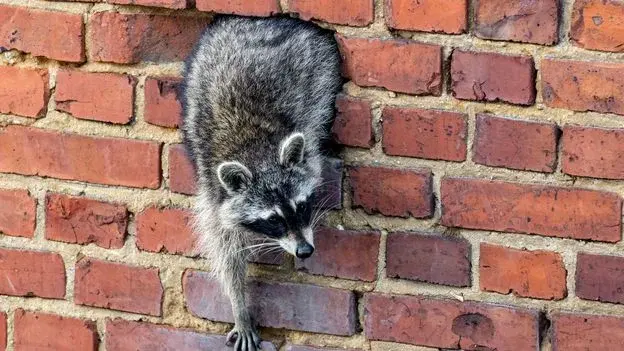
Germany's raccoon population, now numbering two million, is often blamed on Nazi commander Hermann Göring, but archival research proves the 1934 release was a routine administrative decision. While the animals cause significant property damage and are hunted heavily, scientific studies suggest they pose less threat to native biodiversity than public perception implies, though their range continues to expand due to climate change.
Key points
- Archival research by Eberhard Leicht confirms raccoons were released near Lake Edersee in April 1934 as an administrative matter to enrich fauna, with no evidence of personal involvement by Hermann Göring.
- The German raccoon population has grown to approximately two million, with Kassel dubbed the 'raccoon capital of Europe' hosting around 30,000 individuals.
- Genetic studies by Alain Frantz reveal at least four distinct release events, including escapes from fur farms and zoos, leading to diverse gene pools across Germany, the Netherlands, and Switzerland.
- While raccoons cause property damage and are hunted year-round, a decade-long study in Müritz National Park found no significant evidence that they threaten native biodiversity, contradicting some hunting lobby claims.
- Public opinion remains divided, with some advocating for sterilization and coexistence, while others support increased hunting, as the population continues to grow and expand into new territories.
Background
This story follows broader European concerns regarding invasive species and their ecological impacts. Previous coverage has highlighted other invasive threats, such as the spotted lanternfly in the US and various invasive species in Asia, but the German raccoon case is unique for its deep historical roots and the intense debate over its actual ecological damage versus its reputation as a 'plague'.
Why it matters
The debate over raccoons in Germany highlights the tension between public perception, political lobbying, and scientific evidence regarding invasive species. It raises questions about how we manage non-native animals that are culturally embedded but ecologically debated, and how climate change may further expand their range, complicating conservation efforts for native species.
What to watch
The German government and hunting lobby will likely continue to debate the EU's classification of raccoons as an invasive species. Population numbers are expected to rise, with climate change facilitating expansion into new areas. Advocates for coexistence will push for sterilization and fencing, while hunters will maintain year-round culling to control numbers and property damage.
Want the full story? Read the original reporting
Read on BBC