
Nepal Floods Expose Critical Vulnerabilities in Himalayan Hydropower
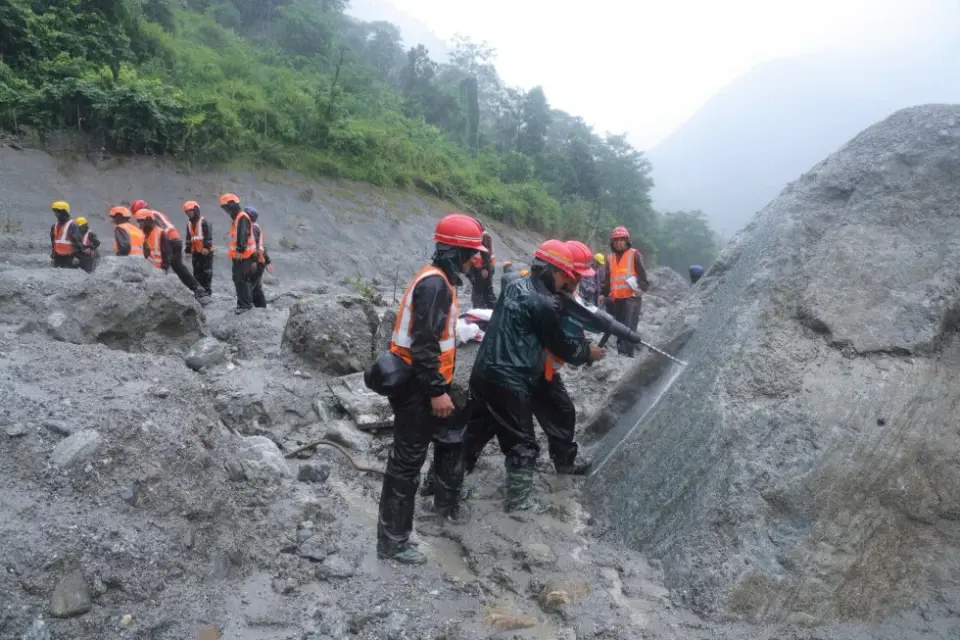
Recent catastrophic floods in Nepal have highlighted severe risks to the country's hydropower infrastructure, which is increasingly threatened by climate change. The disaster, triggered by a glacier collapse and subsequent debris flows, has damaged facilities and raised concerns about the safety of energy projects located in high-risk zones. Experts warn that warming temperatures are destabilizing glaciers and permafrost, making such events more frequent and dangerous for the region's energy sector.
Key points
- Floods in Nepal, triggered by a glacier collapse, have exposed significant risks to hydropower projects in the Himalayas.
- The disaster has damaged infrastructure and raised concerns about the safety of energy facilities located in high-risk zones.
- Climate change is cited as a key factor, with warming temperatures destabilizing glaciers and permafrost, increasing the likelihood of such events.
- The incident underscores the need for improved warning systems and cross-border monitoring to mitigate future risks to energy infrastructure.
Background
This event follows a series of earlier reports in August 2026 detailing the devastating impacts of glacier-related floods in Nepal. Previous coverage highlighted the catastrophic floods that killed hundreds, damaged schools, and displaced thousands, with experts linking the events to accelerating glacier melt and warming temperatures. The current incident further emphasizes the growing vulnerability of the region's infrastructure, particularly hydropower, to climate-driven hazards.
Why it matters
The damage to hydropower infrastructure in Nepal highlights the broader risks that climate change poses to energy systems in vulnerable regions. As the Himalayas warm, the stability of glaciers and permafrost is compromised, increasing the likelihood of floods and debris flows that can destroy critical infrastructure. This incident serves as a warning for other regions with similar vulnerabilities and underscores the urgent need for improved monitoring, early warning systems, and climate-resilient development strategies to protect energy infrastructure and communities.
What to watch
In the coming weeks, authorities and experts are expected to assess the full extent of the damage to hydropower facilities and other infrastructure. There will likely be increased calls for improved warning systems and cross-border monitoring to better predict and mitigate future risks. Additionally, discussions may focus on the need for climate-resilient development strategies to protect energy infrastructure and communities in vulnerable regions.
Want the full story? Read the original reporting
Read on AP News