
Suriname's Saamaka tribe uses satellite tech to combat illegal logging and mining
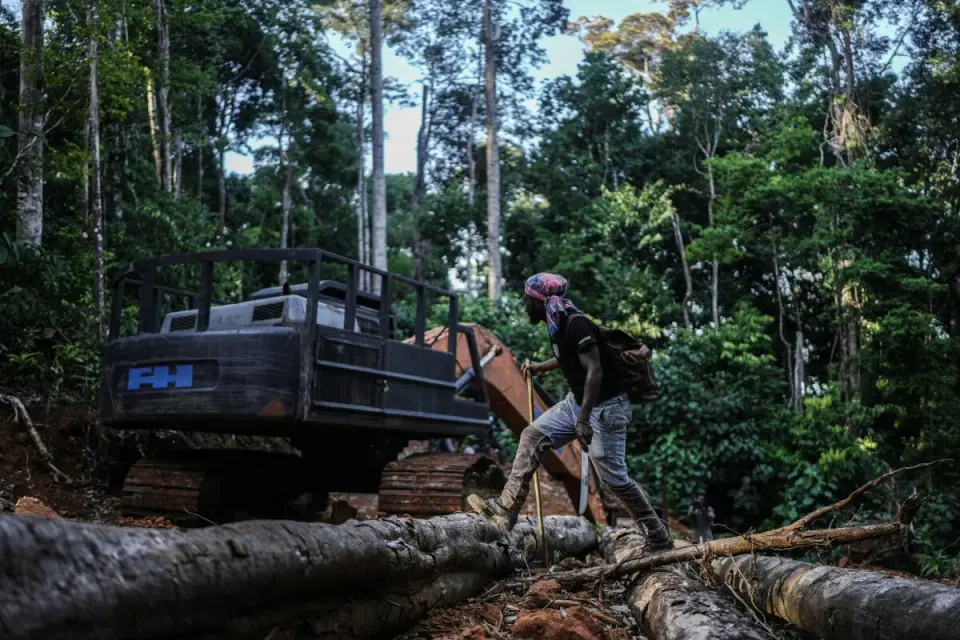
The Saamaka community in Suriname is deploying satellite imagery and GPS mapping to document illegal logging and gold mining incursions into their traditional forests. Despite a 2007 Inter-American Court ruling granting them collective land rights, legal recognition remains unfulfilled, leaving communities vulnerable to encroachment. While the government claims to be updating laws to protect 90% of its forests, activists report ongoing threats and a lack of formal territorial title.
Key points
- Saamaka members discovered abandoned excavators and makeshift camps in Ebbatop mountain, evidence of illegal logging operations.
- The community launched the 'Apaki' initiative in November 2025 to map traditionally protected areas using modern technology.
- Tribal territories have lost nearly 154,000 hectares of forest since 2001, with new roads like the Palmera road accelerating access.
- A 2007 court order for collective land title remains largely unimplemented, leaving the Saamaka without legal authority to control their land.
- Advocate Hugo Jabini received a death threat after challenging a gold-mining concession, highlighting the personal risks of opposing extraction.
Background
This story follows broader regional trends in the Amazon, where Indigenous groups face pressure from mining and deforestation. Recent events in Brazil, such as the election of a president supporting gold mining in Yanomami territory, underscore the volatile nature of environmental protections in the region. Additionally, incidents in Nigeria involving deaths of illegal miners in custody highlight the severe human costs and security challenges associated with unregulated mining activities across developing nations.
Why it matters
The struggle of the Saamaka illustrates the critical gap between international legal rulings and on-the-ground enforcement in the Amazon. Their use of technology to document incursions is a model for other Indigenous groups seeking to defend their lands against illegal extraction, while the unresolved land rights issue threatens the long-term preservation of Suriname's carbon-absorbing forests.
What to watch
The Surinamese government is reportedly updating its legal framework to formally establish community-protected areas, though Saamaka leaders remain skeptical about the timing and scope of these talks. The community continues to train youth in monitoring techniques and expects to use collected data to support legal action and negotiations for full territorial recognition.
Want the full story? Read the original reporting
Read on AP News