
Iran Rejects US Blockade Trade, Warns of 'Unexpected' Response as Oil Prices Spike
Iran has rejected a proposal to reopen the Strait of Hormuz in exchange for lifting the US naval blockade, with Tehran insisting its security demands remain unchanged. As Brent crude hovers near $115 per barrel, President Trump weighs military strikes against a diplomatic deal, while Iran warns that any renewed aggression will trigger an 'unexpected' response. Regional mediators, including Saudi Arabia, Turkey, and Pakistan, are holding talks in Tehran to de-escalate tensions, but direct US-Iran negotiations have stalled. Meanwhile, Houthi attacks on Saudi infrastructure and a UK counter-terrorism probe into a plot at RAF Fairford highlight the widening scope of the conflict.
Key points
- Iran’s ambassador to Pakistan claimed Tehran offered to reopen the Strait of Hormuz if the US lifted its blockade, but an IRGC-affiliated outlet called this a 'lie,' stating Iran would not trade the strait for the blockade.
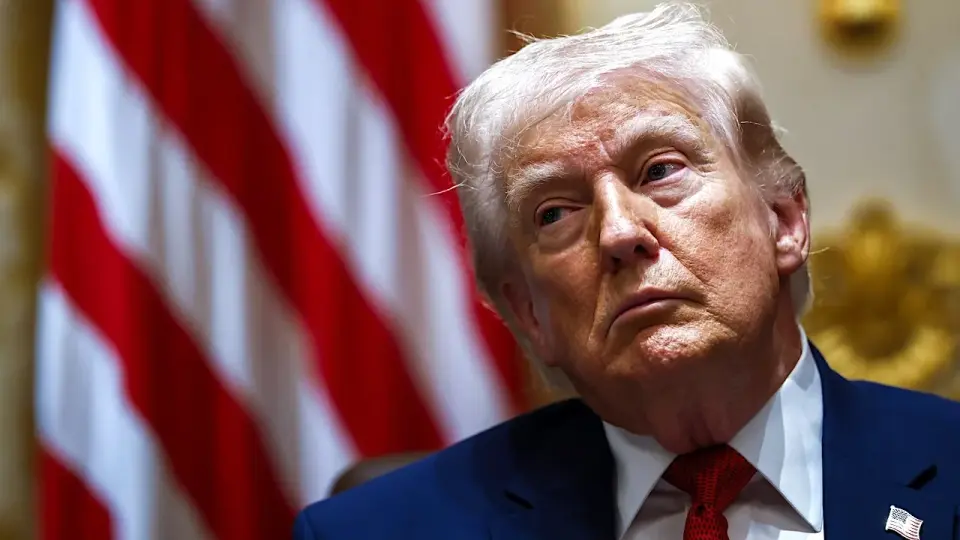
- President Trump stated he is deciding between reaching a 'big, beautiful' agreement with Iran or launching new strikes, with US military options prepared for action after the November 3 midterm elections.
- Iranian Foreign Minister Abbas Araghchi declared that the war has changed regional realities, asserting that shipping routes and security structures will not return to previous arrangements.
- Brent crude oil prices have surged to approximately $115 per barrel due to supply concerns, while US gasoline prices have averaged $3.472 per gallon under the current administration, slightly exceeding the previous term's average.
- The UK charged two men with national security offenses for a suspected plot at RAF Fairford, a key US staging base for operations against Iran, while Houthis claimed attacks on Saudi Arabia’s Ras Tanura refinery and Riyadh airport.
Background
This escalation follows the US withdrawal from Iraq in September 2026, which created a security vacuum that Iran and its proxies have sought to exploit. The current conflict stems from the joint US-Israeli military campaign against Iran that began in February 2026. Although an interim agreement was reached in June, mediated by Qatar and Pakistan, negotiations for a final settlement have stalled. The US has since imposed a naval blockade on Iranian ports, while Iran has restricted transit in the Strait of Hormuz, disrupting global oil flows and prompting emergency reserve drawdowns in Europe and the US.
How outlets are covering it
Outlets differ on the status of diplomatic negotiations. Iran International reports that Iran’s ambassador to Pakistan proposed a trade of the strait for the blockade, but notes that an IRGC-affiliated source explicitly rejected this, calling it 'lies and fantasy' and insisting Tehran would break the blockade on its own terms. Conversely, Fox News and CBS News emphasize the military dimension, highlighting Trump’s threats of renewed strikes and the US military’s preparation of options for action post-elections. While CBS News notes that Iran’s foreign ministry claims diplomacy remains open via intermediaries, Fox News focuses on Iran’s security chief Mohsen Rezaei’s assertion that US security guarantees are ineffective and that regional security must be handled internally. Palestine Chronicle highlights hardline warnings from Iranian Parliament Speaker Mohammad Bagher Ghalibaf, who promised an 'unexpected' response to any aggression, contrasting with the more diplomatic tone of Araghchi’s calls for a comprehensive halt to hostilities.
Why it matters
The standoff threatens to disrupt global energy markets, with oil prices already spiking due to the conflict. A renewed military campaign could further destabilize the Middle East, impacting Asian oil customers and European economies. The US faces domestic pressure as rising fuel costs threaten Republican majorities in the upcoming midterm elections. Furthermore, the conflict has expanded beyond the Strait of Hormuz, with Houthi attacks on Saudi infrastructure and security incidents in the UK indicating a broader regional escalation that challenges existing security architectures.
What to watch
The US is expected to make a decision on whether to resume strikes after the November 3 midterm elections. Meanwhile, Saudi Arabia, Turkey, and Pakistan are holding talks in Tehran to promote de-escalation. Iran has warned that any attack will result in a response adversaries did not anticipate, while the US continues to prepare military options. The outcome of the Israeli elections on Tuesday may also influence regional dynamics, as both candidates support a hawkish stance on Iran.
- Iran talks Middle East security, urges region to get US influence out Fox News
- Live Updates: 8-month Iran war looms over Israeli election as Egypt wades into Saudi's fight with the Houthis CBS News
- ‘Nothing Will Be the Same’: Iran Warns of Unexpected Response to Renewed Attack Palestine Chronicle
- Iran sends conflicting signals on US deal as Trump raises prospect of strikes Iran International
- Tehran vows to stay the course as U.S. intelligence warns of growing threat against officials abroad Washington Times
Want the full story? Read the original reporting
Read on Fox News