
Thunberg returns to COP31 to condemn 'hypocritical' climate talks as leaders face stalled progress
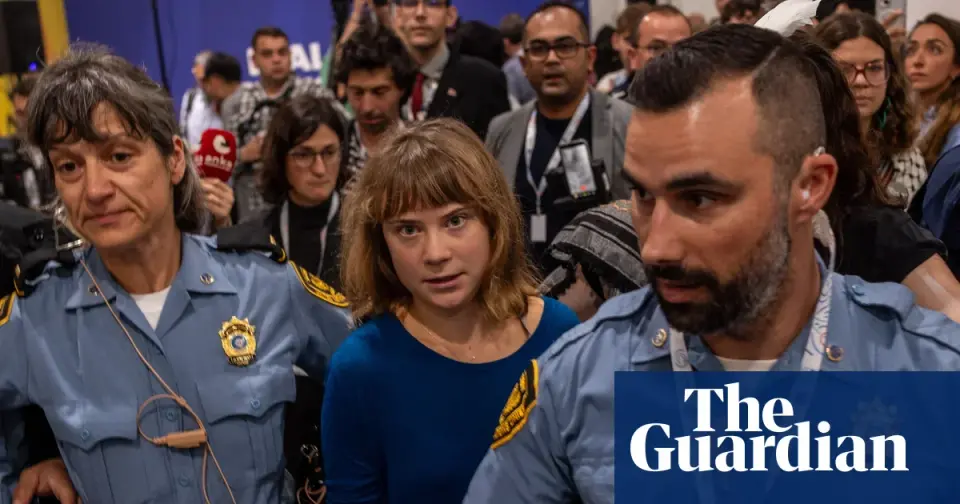
Greta Thunberg has returned to the UN climate summit in Antalya, Turkey, for the first time since 2021, delivering a scathing critique of global inaction. She described the planet as 'being killed' by the very leaders meant to protect it, accusing COP negotiations of being dominated by fossil fuel lobbyists. While the summit focuses on global electrification, current policies project a 2.7C temperature rise by 2100, far exceeding the 1.5C target. Key figures, including UK Prime Minister Andy Burnham and UN Secretary-General Antonio Guterres, have pledged action, but critics argue that rhetoric lacks substantive delivery. The US is absent from the talks, with former Secretary of State John Kerry criticizing President Donald Trump’s withdrawal from climate frameworks.
Key points
- Thunberg, 23, stated that Earth is 'being killed' by those in power, marking her first appearance at a COP summit since Glasgow in 2021.
- Current global policies are projected to cause 2.7C of warming by the end of the century, according to Climate Action Tracker, surpassing the 1.5C limit.
- UN Secretary-General Antonio Guterres urged governments to tax windfall profits from oil companies, noting that fossil fuel interests are 'killing our planet.'
- UK Prime Minister Andy Burnham, the only G7 leader attending, pledged net-zero targets and backed electrification, but faced criticism for recent domestic fossil fuel expansions.
- The United States did not send a delegation; former Secretary of State John Kerry called President Donald Trump the 'biggest loser' on climate issues, while California Governor Gavin Newsom warned of continued policy resistance.
- Nepal’s environment minister reported a 'mountain tsunami' caused by a melting glacier in August, which claimed over 1,500 lives, highlighting the immediate human cost of climate change.
Background
Thunberg’s return to the climate stage follows a period where she shifted focus to other causes, including the conflict in Gaza and student protests in France. Her previous appearance at a major UN climate conference was in 2021, where she famously dismissed leaders' promises as 'blah, blah, blah.' The current summit in Antalya is being co-hosted by Turkey and Australia, both of which rely heavily on fossil fuels for electricity despite promoting renewable energy goals.
How outlets are covering it
The Guardian and AP News emphasize Thunberg’s direct confrontation with the hypocrisy of the summit, highlighting her accusation that negotiations are filled with lobbyists from destructive industries. Euronews and Al Jazeera focus on the broader systemic failure, noting that while leaders like Guterres and Burnham make strong statements, substantive action remains elusive. The Guardian notes that while Burnham’s presence is a 'positive signal,' Oxfam GB argues that 'showing up is not enough' and that delivery is the real test. AP and Euronews highlight the absence of the US delegation and the criticism from Democratic officials, contrasting the 'cautious optimism' of some with the warnings from Newsom about continued 'doubling down' on fossil fuels. All sources agree that the gap between rhetoric and action is widening, with current policies leading to catastrophic warming.
Why it matters
The summit’s failure to secure a fossil fuel phaseout and the projection of 2.7C warming underscore the urgency of the climate crisis. Thunberg’s return signals a renewed push for accountability, while the absence of major powers like the US and the presence of fossil fuel-dependent hosts like Turkey and Australia highlight the structural barriers to meaningful progress. The immediate human toll, exemplified by the disaster in Nepal, makes the stakes of these negotiations existential for vulnerable populations.
What to watch
COP31 will continue in Antalya until November 20, with negotiations focusing on global electrification and waste reduction. The next summit, COP32, is scheduled for Addis Ababa, Ethiopia, in November 2027. Observers will watch for any breakthroughs on fossil fuel phaseouts and climate finance, though few major breakthroughs are anticipated given the current geopolitical tensions and oil price shocks.
- The planet ‘is being killed’, Greta Thunberg tells Cop31 climate summit The Guardian
- Greta Thunberg warns ‘everything we love is at stake’ as she arrives at UN climate talks AP News
- Thunberg and Guterres blast oil companies for "fossil fuel addiction" Euronews
- ‘Everything and everyone we love is at stake’: Thunberg slams COP31 talks Al Jazeera
- Greta Thunberg Attends U.N. Climate Summit for the First Time Since 2021 Democracy Now!
Want the full story? Read the original reporting
Read on The Guardian