
Tyne nurdle spill: Recovery stalls at 28% as calls for transparency grow
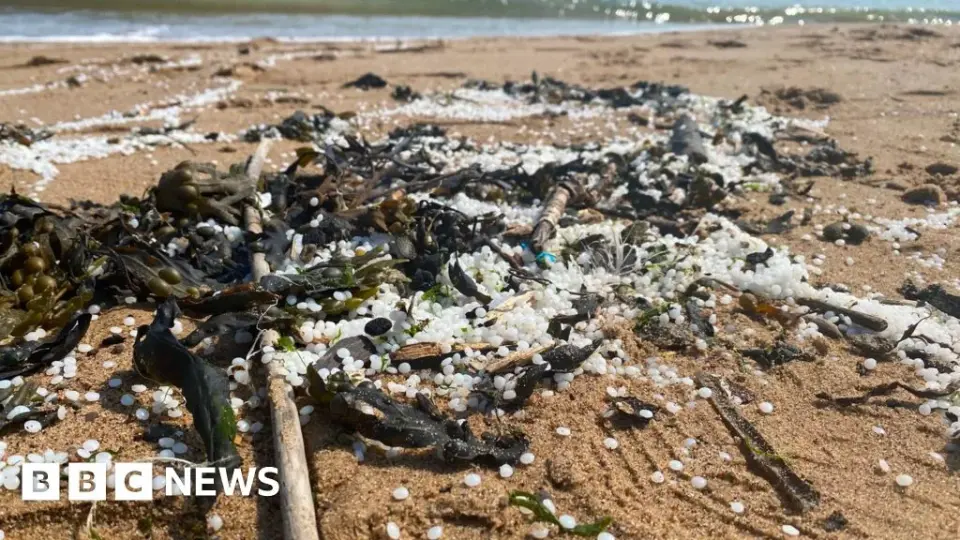
Three months after a ship collision spilled 18 tonnes of plastic nurdles into the River Tyne, recovery efforts have retrieved only 28% of the estimated 768 million pellets. While agencies acknowledge full recovery is unachievable, local councils are demanding public transparency regarding the incident's long-term environmental impact and financial compensation.
Key points
- On July 19, a collision between the Wind Orca and the container ship BG Orange at the Port of Tyne caused 18 tonnes of nurdles to spill into the river.
- Scientists estimate between 639 million and 1.2 billion pellets were lost, with approximately 768 million being the median figure.
- By late September, only 28% of the spilled nurdles had been recovered, though officials note that the volume washing ashore has significantly decreased.
- Pellets have been found along the English coast from Northumberland to North Yorkshire and recently confirmed on Denmark's western coast.
- South Tyneside Council passed a motion demanding a public summary of the 'lessons learnt' review and ring-fenced funding for future monitoring.
- The clean-up is primarily funded by insurers for the BG Orange, with local councils and the Port of Tyne seeking compensation for their costs.
Background
This incident is considered the worst recorded nurdle spill in Europe. Previous coverage has highlighted the ongoing struggle to track microplastics, but this specific event involves a massive quantity of raw plastic pellets entering a major river system, complicating recovery efforts due to tidal flows and river currents.
How outlets are covering it
The BBC reports that while recovery rates are low, the Port of Tyne and Environment Agency argue that the number of pellets washing ashore has dropped significantly, suggesting the worst is over. They define success through shoreline surveys rather than total mass recovery. In contrast, the Shields Gazette highlights political pressure from South Tyneside Council, which argues that the end of contractor-led clean-up does not end responsibility. Councillors are pushing for transparency in the review process and broader compensation for environmental and economic damage, not just direct clean-up costs. The BBC notes that wildlife impact remains unknown, with experts warning that nurdles could take years to break down into nanoplastics, potentially affecting marine life long after the visible cleanup ends.
Why it matters
The Tyne spill highlights the vulnerability of global supply chains for plastic raw materials. With nurdles now confirmed in Denmark, the incident has international implications for marine ecosystems. The political push for transparency and long-term funding signals a shift in how local governments approach environmental liability, demanding accountability beyond immediate crisis response.
What to watch
A public summary of the 'lessons learnt' review is expected, which will outline recommendations for preventing future spills. Autumn high river flows may flush remaining nurdles from the Tyne estuary, creating a final opportunity for recovery. Long-term monitoring will continue to track the degradation of pellets into nanoplastics and their impact on wildlife.
- What are the unanswered questions around the River Tyne nurdle spill? BBC
- Calls for answers over River Tyne nurdle spill and for details of review to be made public Chronicle Live
- Where have the River Tyne's 850 million nurdles gone? Newcastle University
- River Tyne nurdle spill review faces calls for transparency Shields Gazette
- Denmark nurdles may be from Tyne spill, agency says BBC
Want the full story? Read the original reporting
Read on BBC