
England Declares 'Flash Drought' as July Becomes Driest Month on Record
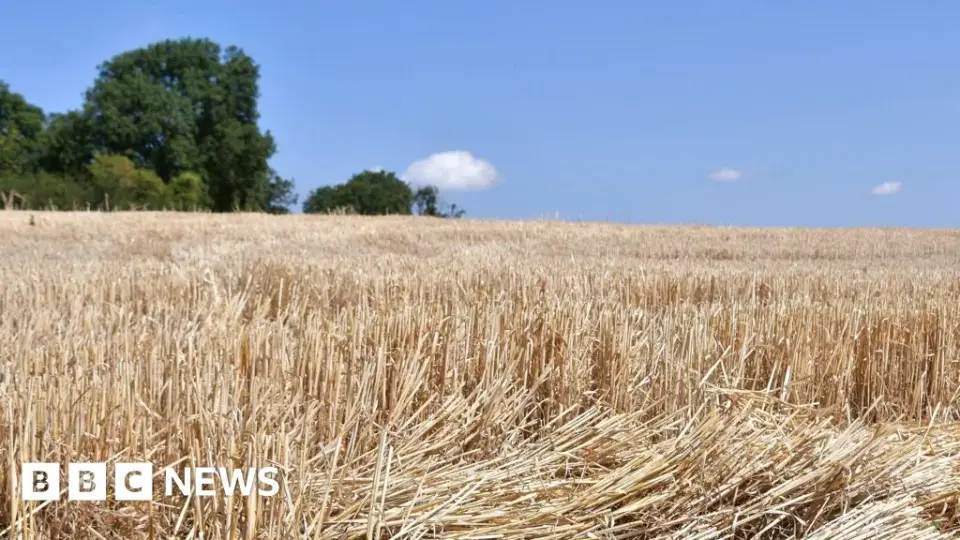
More than half of England is officially in drought, with July set to be the driest month on record. The Environment Agency declared a 'flash drought' across seven regions, including Wessex and London, following a rapid shift from wet winter to extreme heat. While Thames Water has imposed a hosepipe ban for 10 million customers, other utilities urge conservation without formal restrictions. The situation is described as 'exceptionally serious' due to its rapid onset and potential long-term impacts on water reserves, wildlife, and agriculture.
Key points
- The Environment Agency declared drought conditions in seven areas: East Anglia, Hertfordshire, London, Thames Valley, Hampshire, Isle of Wight, Devon and Cornwall, the West Midlands, and Wessex.
- July is projected to be the driest on record, with England receiving only 7% of expected rainfall and southern England just 1%.
- Thames Water has implemented a hosepipe ban for 10 million customers, while Bristol Water and Wessex Water have no current bans but urge careful usage.
- The rapid transition from wet winter to dry summer is termed a 'flash drought,' with 78% of England's rivers below normal levels.
- The Met Office verified a new June daily temperature record of 38C, contributing to rapid evaporation from soils and vegetation.
Background
This is the third drought in five years (2022, 2025, 2026). Previous coverage noted that 2025 was the warmest year on record, with spring rainfall well below average. Recent heat domes over Western Europe have intensified soil moisture deficits and wildfire risks, with France and Spain experiencing record-breaking fires. The current situation follows a wet January and February, which replenished reservoirs, but the subsequent heat has rapidly depleted those reserves.
How outlets are covering it
The BBC and The Guardian both emphasize the 'flash drought' nature and the rapid depletion of water resources. The Guardian highlights the 'exceptionally serious' status of a second consecutive summer drought and notes that 40% of the population is under hosepipe bans across seven water companies. ITV News (via Yahoo) provides a broader UK context, noting that Wales and Scotland also face drought or 'significant scarcity' conditions, while Northern Ireland has avoided formal status. The BBC focuses on the West Country and specific water company responses, while The Guardian cites Greenpeace UK research suggesting water companies waste five times more water through leaks than a nationwide ban would save. All sources agree on the severity of the dry conditions and the need for conservation, but differ in the scope of restrictions and the emphasis on infrastructure investment versus immediate usage limits.
Why it matters
The drought threatens water security, agriculture, and wildlife. Low river levels have already led to fish mortality in some areas, and the rapid evaporation is increasing wildfire risk. The situation underscores the need for long-term infrastructure investment, such as new reservoirs, and highlights the growing frequency of extreme weather events due to climate change. Public awareness and conservation efforts are critical to managing the current crisis and preparing for future droughts.
What to watch
The Environment Agency expects current water reserves to be sufficient until the next period of sustained rainfall, but the Met Office sees little sign of widespread rain in the immediate future. Water companies are urging continued conservation. The government is expected to accelerate infrastructure investments, including nine new reservoirs, to address long-term water security. Further drought declarations or restrictions may be issued if dry conditions persist.
- The West is in drought - what does that really mean? BBC
- Pictures show scale of drought across England as rivers dry up BBC
- Half of England officially in ‘exceptionally serious’ drought The Guardian
- Drought declared across half of England after hot, dry weather Reuters
- What is drought and where in the UK is affected? yahoo.com
Want the full story? Read the original reporting
Read on BBC