
WWF's 2026 Report: Global Wildlife Down 73%, Yet Tuna and Tiger Recoveries Signal Hope
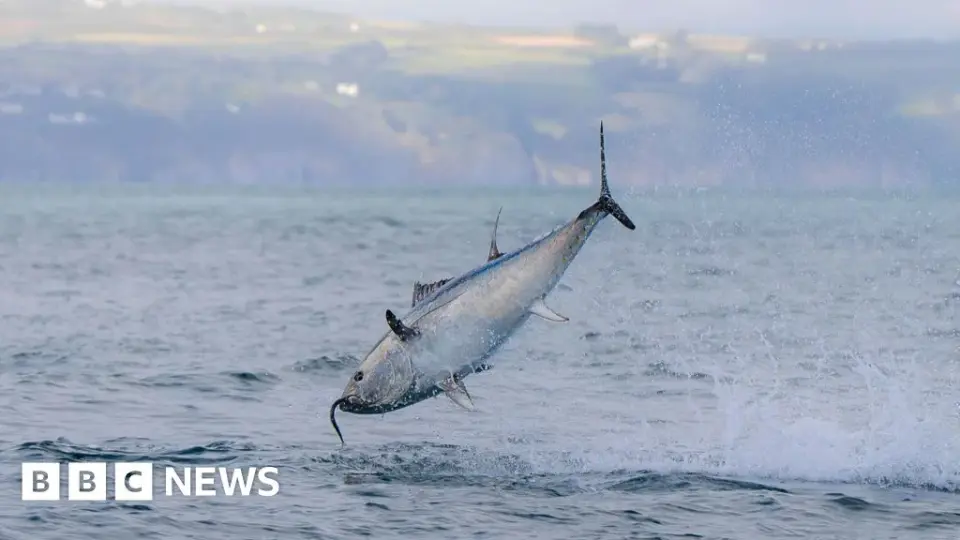
The 2026 Living Planet Report reveals a 73% average decline in monitored global wildlife populations since 1970. However, it highlights significant recoveries in bluefin tuna, tigers, and green sea turtles, framing conservation as a viable path to recovery despite ongoing systemic pressures.
Key points
- Global monitored wildlife populations have fallen by an average of 73% since 1970, according to WWF and the Zoological Society of London.
- Bluefin tuna have returned to UK waters in significant numbers after nearly disappearing due to overfishing in the 1960s.
- Wild tiger populations increased by over 70% between 2010 and 2025, reaching approximately 5,700 individuals.
- Green sea turtles were downgraded from 'endangered' to 'least concern' in 2025 following 50 years of conservation efforts.
- The report identifies agriculture, fossil fuels, and misdirected finance as the primary drivers of nature's decline.
Background
Previous editions of the Living Planet Report, such as the 2024 update, also reported a 73% decline, establishing a long-term trend of biodiversity loss. The 2026 edition expands its dataset to include more populations from Africa and focuses on native species, shifting the baseline for comparison.
How outlets are covering it
While all sources agree on the 73% average decline, they differ in emphasis. BBC and Al Jazeera highlight specific species recoveries, such as bluefin tuna in the UK and mountain gorillas in Uganda, as evidence that conservation works. The Guardian frames the report through the lens of 'pragmatic hope,' arguing that action, not passive optimism, is required, and criticizes the UK government for withholding full biodiversity security assessments. Our World in Data provides a technical clarification, noting that the 73% figure is a geometric mean of population sizes, not a count of extinct species, and that 43% of studied populations are actually increasing. Al Jazeera emphasizes the economic benefits of conservation, citing the tourism revenue generated by gorilla protection in Uganda.
Why it matters
The report underscores that while the overall trajectory of biodiversity loss is severe, targeted conservation efforts can reverse declines. It highlights the critical need to address root causes like industrial agriculture and fossil fuel use, rather than relying solely on species-specific protection, to prevent further ecosystem collapse.
What to watch
WWF and other conservation bodies will likely continue to push for policy changes that redirect the $7.3 trillion currently spent on nature-harming activities toward restoration. The report calls for immediate action to close the 'window of opportunity' for recovery, with ongoing monitoring of species like the kākāpō and Grauer’s gorilla to assess long-term viability.
- UK bluefin tuna comeback shows nature can recover, says WWF BBC
- Can hope save the planet? An endangered parrot that is beating the odds can help us find out | Helen Pilcher The Guardian
- A 73% average decline in wildlife populations: an overview of the 2026 Living Planet Index report Our World in Data
- Populations of wild species fell by an average of 73% from 1970 to 2022, WWF says Reuters
- ‘Nature can recover’: Inside the race to rescue world’s crisis-hit wildlife Al Jazeera
Want the full story? Read the original reporting
Read on BBC