
Brittany’s Summer Uprising: Local Residents Target Parisian Tourists with Vandalism and Graffiti
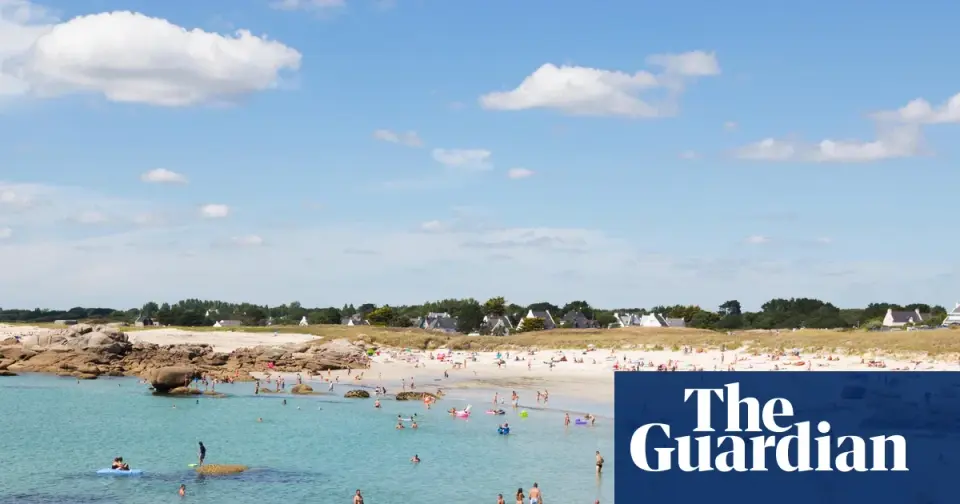
Residents in southern Brittany have launched a campaign against Parisian tourists, culminating in vehicle vandalism and anti-tourist graffiti. The conflict stems from a post-pandemic surge in second-home ownership and summer population spikes that have strained local infrastructure. While local mayors condemn the hostility, the anger reflects a broader resentment between wealthy urban centers and rural provinces, with similar tensions emerging in Corsica and on the Île de Ré.
Key points
- The unrest began in August 2026 in the Bigouden area of Finistère, Brittany, with a 'Parisians Out!' sign in Plogoff.
- Vandalism escalated when cars with Parisian '75' registration plates were scratched with 'No to Parisians' in Plobannalec-Lesconil.
- Ironically, the vandalized vehicles belonged to locals who had relocated to Paris, highlighting the specific targeting of the capital's demographic.
- A wall in Douarnenez featured the English slogan 'Refugees welcome, tourists go home!', drawing criticism for xenophobic undertones.
- Local populations in some Finistère towns triple during July and August, exacerbated by heatwaves driving 'coolcation' tourism to the north.
- The Spectator notes that in some towns, 80% of houses are now holiday homes, making it difficult for locals to afford permanent residence.
Background
This incident follows a broader trend of overtourism tensions in France, previously highlighted by incidents involving foreign tourists in extreme environments and press freedom disputes. The current conflict in Brittany is distinct, however, as it is an internal domestic dispute between the capital and the provinces rather than an issue involving international visitors. It echoes earlier 2022 protests in Brittany regarding property affordability, which were intensified by the 2020 pandemic-driven migration of wealthy Parisians to coastal areas.
How outlets are covering it
The Guardian frames the issue as a local infrastructure crisis, noting that while tourism is economically vital, the sheer volume of visitors is overwhelming services. The outlet emphasizes the irony of locals targeting their own compatriots who moved to the capital. The Spectator, however, frames the conflict as a cultural and ideological divide, arguing that Parisians are viewed as an alien class by rural France. The Spectator criticizes the 'Refugees welcome' graffiti as xenophobic and notes that the resentment is not unique to Brittany but is part of a wider 'Somewheres vs. Anywheres' disconnect in France. While The Guardian focuses on the immediate vandalism, The Spectator contextualizes it within the political drift toward the far-left and the economic disparity between urban elites and rural workers.
Why it matters
The conflict highlights a deepening social fracture in France between the capital and the provinces, driven by economic inequality and cultural resentment. It signals that overtourism is no longer just a logistical issue but a source of political and social instability, potentially influencing local elections and national discourse on housing and regional identity.
What to watch
Local authorities, including the mayor of Plobannalec-Lesconil, have condemned the vandalism and called for a balance between tourism and local rights. The situation may escalate if similar actions occur in other regions like Corsica, where independence sentiments are rising. Long-term, this could lead to stricter regulations on second-home ownership or tourism taxes to mitigate the impact on local communities.
- ‘Parisians out!’ Why the French have had enough of French tourists The Guardian
- ‘Parisians out’: French provincials turn on tourists from capital The Telegraph
- Calls emerge in Brittany for tourists from Paris to leave the region UA.NEWS
- French villagers launch 'Parisians go home' campaign amid backlash against city visitors GB News
- Why the French hate Parisians The Spectator
Want the full story? Read the original reporting
Read on The Guardian