
Russia Launches Largest Energy Grid Assault Since Spring, Killing Seven and Cutting Power
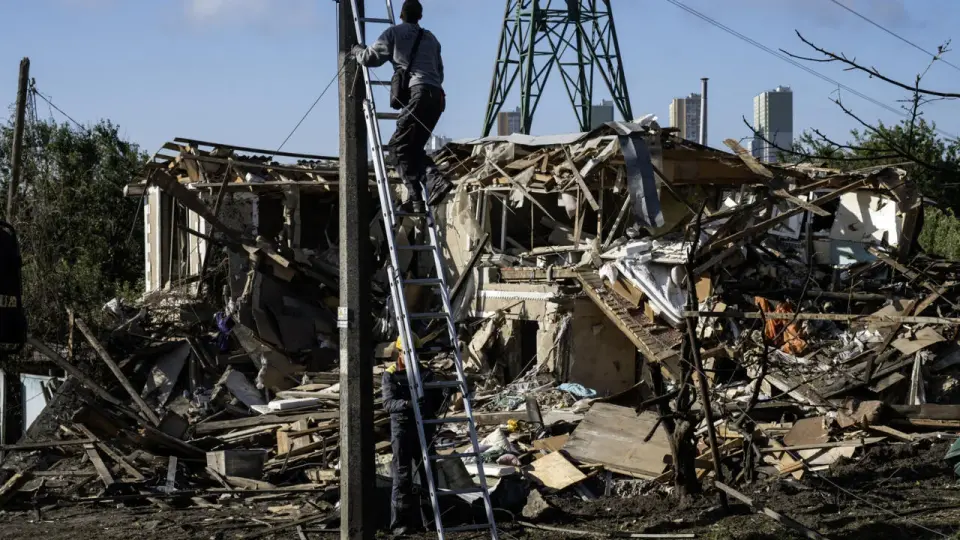
Russia executed its most significant combined strike on Ukraine’s energy infrastructure since April 2026, targeting power facilities in Kyiv and other major cities. The attack, which killed seven people and forced emergency power cuts in four regions, marks the beginning of a new winter campaign aimed at degrading Ukraine’s energy security. Ukrainian officials warn that the coming winter could be the harshest yet, while Russia claims it is retaliating for Ukrainian strikes on its own fuel and energy sites.
Key points
- Seven people were killed in the overnight strikes, including a child in the Kyiv region, according to Ukrainian officials.
- Emergency power cuts were imposed in Kyiv and three surrounding regions by state grid operator Ukrenergo, the first such measure in the capital since spring.
- The Trypilska Thermal Power Plant, a major supplier of electricity to Kyiv, was damaged, as confirmed by its operator Centrenergo.
- Ukrainian air defenses intercepted 254 of 285 Russian drones launched during the 12-hour air raid, but strikes also included ballistic missiles.
- Prime Minister Serhii Koretskyi stated that this is the largest combined attack on energy infrastructure since the end of the last heating season.
Background
This attack follows months of escalating drone barrages and warnings from Ukrainian officials about a difficult winter. In August and September 2026, Russia had signaled preparations for massive strikes in retaliation for Ukrainian attacks on its fuel and energy sites. The previous winter saw record-low temperatures and severe damage to power and heating systems, forcing Ukrainians to adapt to dire circumstances. Ukraine has been building protective facilities and diversifying energy generation in anticipation of this campaign.
How outlets are covering it
France 24 and BBC emphasize the scale of the attack as the largest since spring, highlighting the immediate impact on civilians and infrastructure. The Institute for the Study of War (ISW) frames the strikes as part of a broader strategy by Russia to force Ukraine to capitulate before winter, potentially shifting Putin’s theory of victory. CNBC notes the context of failed energy truce negotiations and Zelensky’s warning that Ukraine would make winter 'painful for Russia' if no deal was reached. All sources agree on the severity of the attack but differ in emphasis: France 24 and BBC focus on the human toll and immediate consequences, ISW on strategic implications, and CNBC on diplomatic and retaliatory dynamics.
Why it matters
This attack signals the start of a potentially devastating winter for Ukraine, with freezing temperatures forecast and critical energy infrastructure damaged. It underscores the ongoing struggle for air defense capabilities and the human cost of the war. The strikes also highlight Russia’s willingness to escalate despite battlefield setbacks, potentially influencing peace negotiations and international support for Ukraine.
What to watch
Ukraine is expected to continue repairing damaged infrastructure and reinforcing air defenses. Russia may intensify its strikes as winter approaches, aiming to demoralize the Ukrainian population. International observers will monitor the impact on energy security and any potential diplomatic developments, including energy truce negotiations. Ukraine’s counteroffensive in the east, including Operation Vivaldi, may also influence the broader conflict dynamics.
- Russia launches major attack on Ukraine’s energy grid, causing power cuts France 24
- Russian Offensive Campaign Assessment, September 30, 2026 Institute for the Study of War
- Russia launches massive strikes on Ukraine’s energy grid, forcing power cuts ahead of winter CNBC
- Russia launches largest attack on Ukraine energy infrastructure since spring BBC
- Russia pounds Ukraine with missiles and drones; killing 7, targeting power grid, Zelenskyy says KSL.com
Want the full story? Read the original reporting
Read on France 24