
Climate Crisis and Shifting Tastes Threaten France's Cheese and Wine Heritage
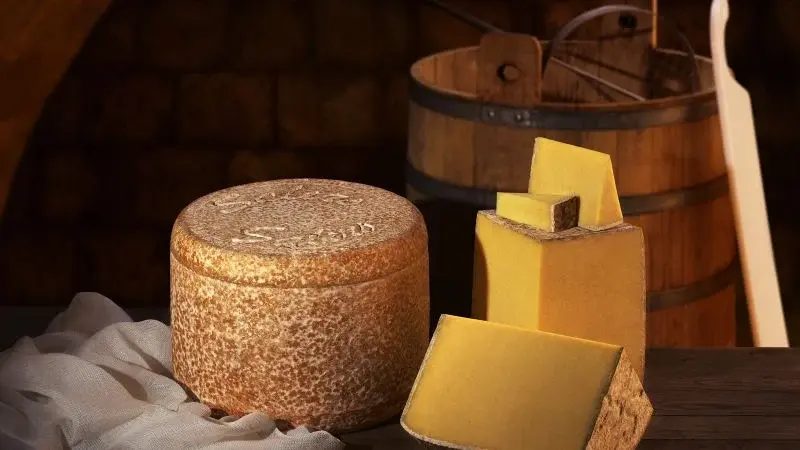
France's iconic food industries are facing a dual crisis: climate change is disrupting traditional production methods, while shifting consumer habits and foreign competition are eroding market share. Cheesemakers in regions like Cantal are halting production due to drought, forcing them to switch to less regulated cheeses or buy expensive feed. Simultaneously, the broader agrifood sector is seeing record-low export surpluses, with Italian products gaining ground in French markets. The government has responded with emergency funding and regulatory adjustments, but experts warn that without structural changes, France risks losing its status as Europe's premier food nation.
Key points
- Drought and heatwaves have forced over 75% of Salers cheese producers in Cantal to halt production, as strict AOP regulations limit supplemental feed.
- Salers cheese production has dropped from 1,500 tons annually in the early 2010s to approximately 1,000 tons today, impacting farmers' livelihoods and cheese quality.
- France's agrifood surplus fell to 181 million euros in 2025, the lowest in nearly five decades, driven by high import costs and stagnant exports.
- Italian cheeses, particularly mozzarella, now account for 40% of sales for major French wholesalers, reflecting a shift in consumer preferences toward versatile, ingredient-based cheeses.
- The French government has allocated over 1 billion euros in emergency support for farmers and is considering relaxing AOP rules to accommodate climate-induced grazing shortages.
Background
This development follows a broader trend of climate stress on European agriculture, as noted in our August 2026 coverage of heatwaves affecting various sectors. The current crisis in French food production is not isolated but part of a systemic challenge where traditional 'terroir' models are struggling to adapt to changing environmental and market conditions.
How outlets are covering it
CNN focuses on the specific impact on artisanal cheeses like Salers, highlighting how strict AOP regulations exacerbate the effects of climate change, forcing producers to switch to less regulated products like Cantal. The Business Times provides a broader economic and cultural perspective, arguing that France's food crisis is not just about climate but also a failure to adapt to changing consumer tastes and global competition. While CNN emphasizes the loss of traditional flavor profiles, The Business Times points to the rise of Italian products and the decline in French export surpluses as evidence of a deeper structural shift. Both sources agree that government intervention is necessary, but differ on whether regulatory flexibility or market adaptation is the primary solution.
Why it matters
The decline in French cheese and wine production signals a potential loss of cultural identity and economic power for Europe's leading food nation. If traditional methods cannot adapt to climate change, the unique flavors and heritage associated with French 'terroir' may disappear, while foreign competitors fill the void. This could have long-term implications for global food markets and France's soft power.
What to watch
The INAO is expected to expand temporary exemptions for AOP cheeses, allowing more producers to use supplemental feed or source ingredients from outside their designated zones. The government will continue to monitor the impact of its emergency funding package and may introduce further measures to support young farmers and modernize agricultural practices. Consumers may see a gradual shift in the types of cheeses available in French markets, with a greater presence of Italian and other foreign products.
Want the full story? Read the original reporting
Read on CNN