
U.S. Drops Mineral and Data Clauses in $1.5B Zambia Health Pact
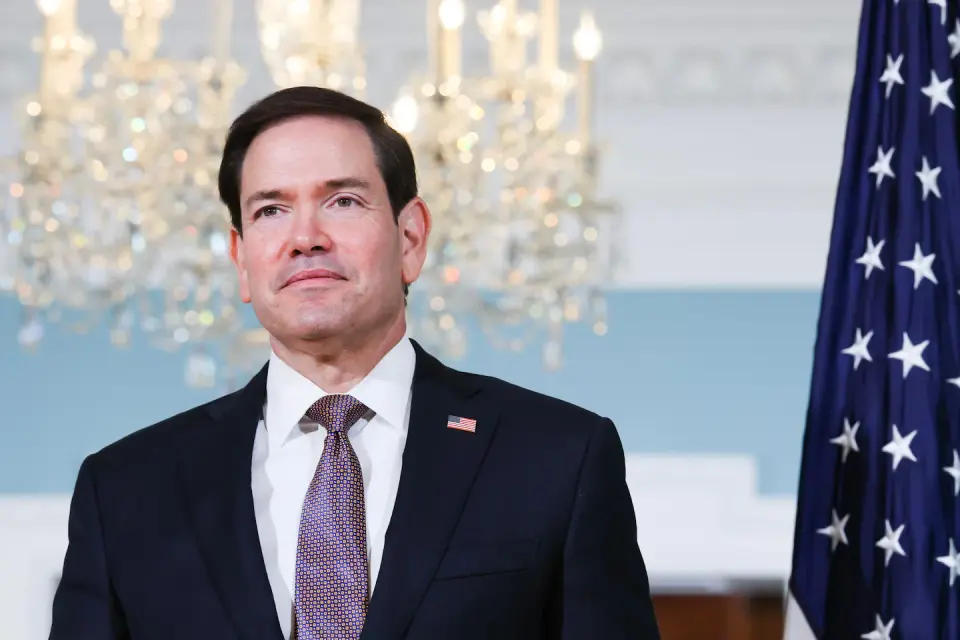
The Trump administration removed controversial provisions regarding critical mineral access and data sharing from a $1.5 billion health agreement with Zambia after facing opposition. The final deal, signed in October 2026, focuses solely on health aid, with the State Department denying that concessions were made to link commercial interests to humanitarian support.
Key points
- The U.S. committed $1.514 billion over five years for health initiatives in Zambia.
- Early drafts included clauses for U.S. access to Zambian critical mineral reserves and data-sharing requirements.
- The administration abandoned these provisions before signing the final agreement.
- Activists in Zambia hailed the removal of these clauses as a victory for national sovereignty.
- The State Department stated that health aid is not tied to commercial deals, denying any concessions were made.
Background
This development occurs amid broader U.S. efforts to secure critical mineral supplies, such as the Pentagon’s recent investment in restarting the Springer tungsten mine in Nevada to reduce reliance on China. It also follows diplomatic shifts where the EU and Canada are deepening ties on minerals and technology to hedge against U.S. trade pressure. Additionally, unresolved issues regarding rare earth supply chains remain a key friction point in U.S.-China relations, as highlighted during recent state visits.
Why it matters
The removal of mineral and data clauses from a health deal signals a potential shift in how the U.S. structures foreign aid, decoupling humanitarian support from strategic resource access. This move may influence future negotiations with other African nations and reflects growing scrutiny over the commercialization of aid in the Trump administration’s foreign policy approach.
What to watch
The U.S. is expected to implement the $1.5 billion health program in Zambia over the next five years. The State Department will likely continue to emphasize the separation of aid and commercial interests in future diplomatic engagements, while monitoring the impact of this precedent on other international partnerships.
Want the full story? Read the original reporting
Read on The Washington Post