
Nepal's PM pushes for trilateral Himalayan climate pact amid stalled India-China data sharing
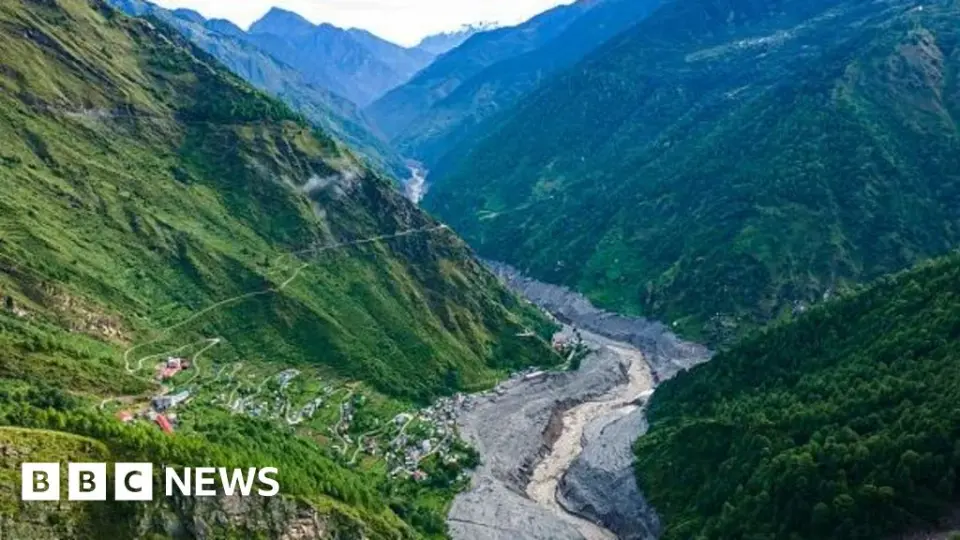
Nepal's Prime Minister Balendra Shah has proposed a 'Himalayan Climate Resilience Mechanism' to unite India and China against shared climate risks, following devastating August floods that left over 1,455 dead and 5,285 missing. While the idea aims to share data and monitor glaciers, it faces significant hurdles due to unresolved territorial disputes and a history of broken hydrological data-sharing agreements between New Delhi and Beijing.
Key points
- Shah's proposal seeks to create a trilateral framework for sharing scientific data, monitoring glacial lakes, and coordinating disaster response in the Himalayas.
- The August 2026 Bhotekoshi-Trishuli floods caused massive destruction, with reconstruction costs estimated at $4.77 billion, highlighting the urgent need for cross-border cooperation.
- India and China have a 3,500km disputed border and have failed to maintain hydrological data-sharing agreements, with China halting Brahmaputra data in 2023 and Sutlej data in 2022.
- A new seismic study confirms the August disaster was a massive landslide, but highlights the lack of routine data sharing between the three nations, which hampers early warning systems.
- Analysts suggest starting with small, practical steps like sharing non-sensitive hazard data, as full cooperation is blocked by security concerns and unresolved border tensions.
Background
Nepal's PM Balendra Shah first raised the idea of a Himalayan Climate Resilience Mechanism at the UN General Assembly in September 2026, following the catastrophic August floods. Previous archive coverage noted his demand for global climate justice and his criticism of debt-based recovery models, emphasizing that Nepal, which contributes less than 0.1% of global emissions, bears disproportionate risks. Earlier reports also highlighted how cross-border river systems link Nepal's disasters to India's plains, underscoring the need for joint river management.
How outlets are covering it
BBC reports that the proposal is at an early stage and neither India nor China has formally responded, noting that past cooperation efforts, like a 2009 glacier research agreement, have stalled. Asia News Network argues that while the proposal is timely, it lacks operational details, and suggests India should use existing SAARC frameworks to build trust incrementally. Inside Climate News highlights a new seismic study showing that the August flood was triggered by a massive landslide, but points out that scientists had to negotiate with Chinese teams to get data, revealing a critical gap in routine information sharing. All sources agree that while climate risks are urgent, geopolitical mistrust and security concerns over data sharing remain major obstacles.
Why it matters
The Himalayas are warming faster than the global average, leading to accelerated glacier melt and increased risks of floods and landslides that cross national borders. Without cooperation, downstream communities in Nepal, India, and Bhutan face growing threats to lives and infrastructure. A successful trilateral mechanism could save lives and protect critical assets, but it requires overcoming deep-seated geopolitical tensions and establishing trust in data sharing.
What to watch
Nepal's foreign ministry is working on a preliminary framework for the mechanism. India and China have not yet responded, but analysts suggest they may start with small, practical steps like sharing non-sensitive hazard data. The success of the proposal depends on whether the three nations can agree on basic protocols for data sharing and early warning systems, despite unresolved border disputes and security concerns.
- Nepal floods: Why Balendra Shah wants India and China to work together in the Himalayan region BBC
- Can Himalayan floods bridge the India-China divide? Asia News Network
- Warming Himalayas demand a rethink on development The Hindu
- Nearly 300,000 at risk from Himalayan floods, as flood zone building accelerates Phys.org
- New Study Reveals Clues About the Origins of Nepal’s Deadly Flood Inside Climate News
Want the full story? Read the original reporting
Read on BBC