
Beijing’s Space Surge: Reusable Rockets, Military Risks, and US Vulnerabilities
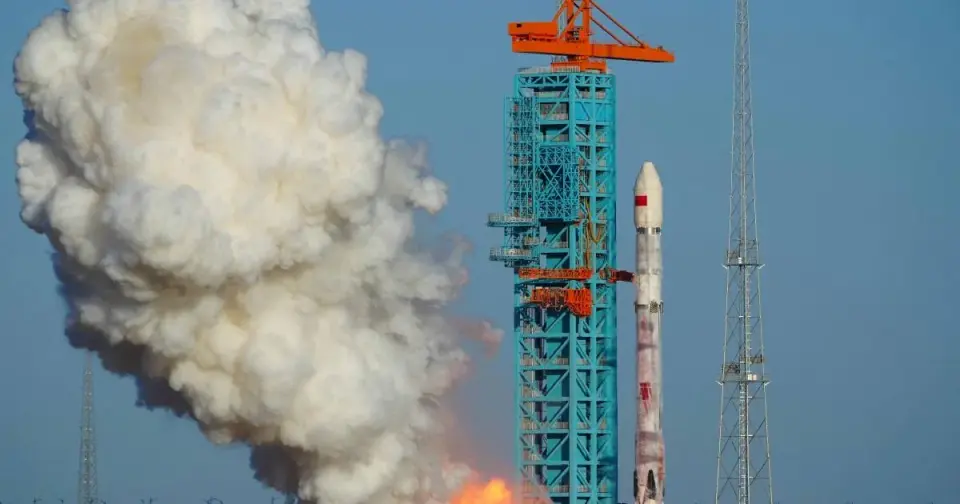
China has achieved its first land-based rocket booster recovery, signaling a major leap in reusable launch technology. While the US still leads in launch volume, Beijing’s rapid expansion of commercial and military space capabilities is eroding American dominance. Analysts warn that US over-reliance on SpaceX and satellite infrastructure creates critical vulnerabilities in a potential conflict, urging Washington to diversify its space architecture and strengthen allied cooperation.
Key points
- LandSpace successfully recovered a rocket booster on land in August 2026, marking China’s first such achievement after a sea-based recovery in July.
- Chinese annual rocket launches doubled from 39 in 2020 to 92 in 2025, with commercial missions accounting for 54% of the national total.
- China plans to launch nearly 30,000 communication satellites over the next decade to compete with SpaceX’s Starlink network.
- The US military faces risks from Chinese anti-satellite weapons and electronic warfare, which could disrupt GPS and communications in a conflict.
- Washington is urged to invest in alternative technologies like inertial navigation and high-altitude relays to reduce dependence on satellites.
Background
China’s space ambitions accelerated after the 1991 Gulf War, when US satellite superiority highlighted Beijing’s technological gap. Since then, China has developed its BeiDou navigation system and integrated space capabilities into its military doctrine. The current surge follows a 2014 policy opening the sector to private investment, leading to the creation of over 400 commercial space firms.
How outlets are covering it
Foreign Affairs emphasizes the strategic threat posed by China’s military space capabilities and the US need to adapt to a multipolar space age. Lowy Institute focuses on the structural integration of commercial firms into state goals, noting that Beijing is not privatizing but rather folding private companies into a national system to boost capacity and global influence. Table.Briefings highlights the competitive dynamic on the Moon, noting that delays in China’s Chang’e-7 mission may give US companies an advantage in reaching the lunar South Pole, though Beijing remains a formidable competitor. NASA’s recent briefing on Artemis III underscores the US focus on returning astronauts to the Moon by 2028, a goal that now faces intensified competition from Beijing’s accelerating pace.
Why it matters
The shift from US unassailable dominance to a competitive space environment threatens the reliability of US military operations, which depend heavily on satellite communications and navigation. China’s cost advantages and growing anti-satellite capabilities could degrade US situational awareness in future conflicts, particularly in East Asia. Additionally, the near-monopoly of SpaceX in US launches creates a single point of failure, making the US space economy vulnerable to disruptions.
What to watch
The US Space Force is expected to continue diversifying satellite placements and procuring new assets. Washington is likely to increase funding for emerging technologies like quantum sensors and mesh networks. Internationally, the HALO initiative and NATO’s STARLIFT project will aim to integrate allied space resources. China will continue to expand its commercial space sector and export satellite services to emerging markets, potentially challenging US influence in the Global South.
- China’s Next Frontier Foreign Affairs
- What it would take to build a city on the moon MIT Technology Review
- NASA to Discuss Artemis Acceleration, Status of Upcoming Moon Missions NASA (.gov)
- Order No. 837: Beijing’s rules for China’s rocket exporters Lowy Institute
- Moon mission: Time lost in the race to the South Pole Table.Briefings
Want the full story? Read the original reporting
Read on Foreign Affairs