
US Sanctions Escalation Tests China’s Role as Iran’s Primary Oil Buyer
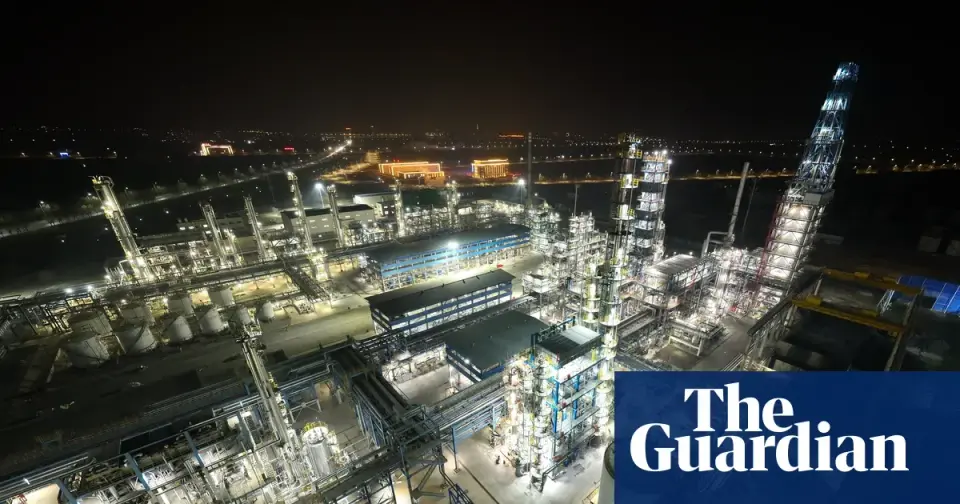
The US has expanded sanctions against Iran, warning that nations maintaining business ties risk exclusion from the dollar-based financial system. While Beijing has reduced Iranian crude imports since a July blockade, Chinese independent refiners continue to purchase discounted oil through opaque channels. Washington is hesitant to sanction major Chinese banks ahead of high-level diplomatic talks, creating a tense standoff between enforcement and diplomatic caution.
Key points
- Treasury Secretary Scott Bessent warned that countries must sever ties with Iran or face removal from the US financial system, though he stopped short of the most severe measures against Chinese banks.
- China’s imports of Iranian crude have dropped significantly since the US renewed its blockade in July, falling to 534,000 barrels per day in August from 1.57 million in February.
- Chinese state refiners avoid Iranian oil to protect access to the dollar system, but independent 'teapot' refiners continue buying discounted crude, often mislabeled as Malaysian or Indonesian and settled in Chinese currency.
- Washington is wary of imposing sanctions on major Chinese banks ahead of expected talks between President Trump and President Xi, particularly given sensitivities around critical mineral exports.
- Iran’s economy minister predicted that other nations would resist US measures, while Beijing rejected unilateral sanctions and vowed to protect its national interests through diplomatic means.
Background
This escalation follows a series of developments in August 2026, including Trump’s 'Operation Economic Fury' threats and Iran’s strategic moves to control the Strait of Hormuz. Previous coverage noted that Beijing had already begun cutting Iranian crude imports and bolstering domestic energy supplies to insulate itself from spillover effects as Washington pushed for hardline measures. The current sanctions expansion represents a further intensification of this economic pressure, building on earlier warnings that any country aiding Iran would face 'tremendous economic consequences.'
Why it matters
The effectiveness of US sanctions hinges on whether they can disrupt the opaque supply chains used by Chinese independent refiners without triggering a broader diplomatic rupture with Beijing. If the measures fail to significantly reduce Iran’s oil revenue, it could embolden Tehran to pursue alternative financial avenues and maritime strategies, potentially destabilizing global energy routes through the Strait of Hormuz. Conversely, if the sanctions succeed, they could isolate Iran further but risk escalating tensions with China, a key US trading partner, especially as critical mineral export controls remain a sensitive issue in upcoming high-level negotiations.
What to watch
Watch for the outcome of the expected talks between US President Donald Trump and Chinese President Xi Jinping, which may determine whether Washington imposes secondary sanctions on major Chinese banks. Monitor Kpler ship-tracking data for further declines in Iranian crude shipments to China, particularly as August figures show a drop to 534,000 barrels per day. Additionally, observe Iran’s response to the sanctions, including any moves to formalize control of the Strait of Hormuz or retaliate against nations cooperating with US measures, as well as potential shifts in how Chinese 'teapot' refiners source and label their crude imports.
Want the full story? Read the original reporting
Read on The Guardian