
UAE Condemns Iran for Missile Strike on ADNOC Tanker in Strait of Hormuz
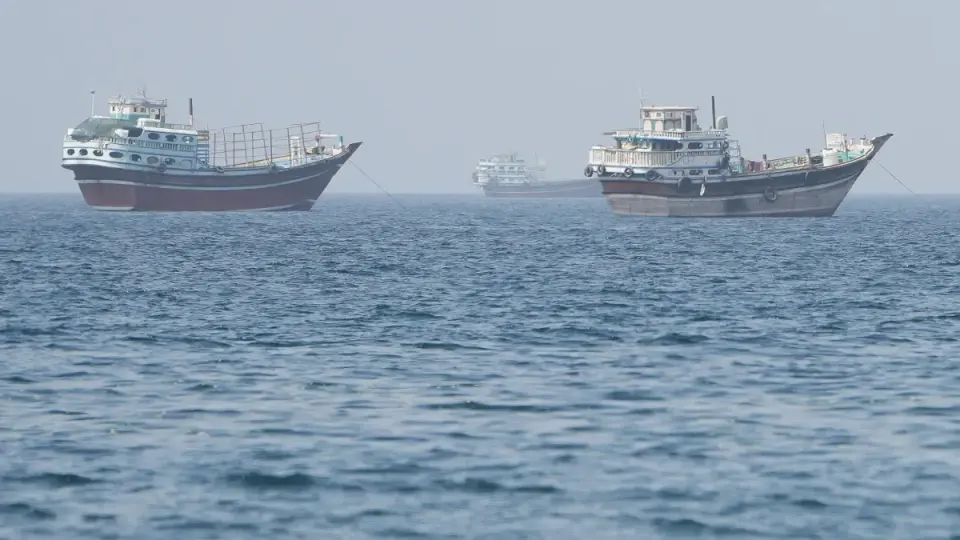
The United Arab Emirates accused Iran of launching a missile at an ADNOC tanker in the Strait of Hormuz on August 8, 2026. No casualties were reported, but the incident escalated tensions as Iran maintains the strait will only reopen under its specific conditions. Gulf nations condemned the attack as a violation of international law, while oil prices rose amid continued disruptions to global shipping routes.
Key points
- UAE Ministry of Foreign Affairs labeled the strike an act of piracy by Iran’s Revolutionary Guard Corps, demanding the strait be reopened unconditionally.
- ADNOC confirmed the missile hit one of its vessels but reported no injuries, stating the situation was under control.
- Iran’s IRGC spokesman Sardar Mohbi stated the strait’s reopening depends on US acceptance of Iranian conditions, not on Iran-Oman negotiations.
- Gulf Cooperation Council, Qatar, Saudi Arabia, and Jordan condemned the attack, with Riyadh citing a breach of UN Resolution 2817.
- Ship traffic through Hormuz dropped 33% on Friday, with Brent crude rising to $83.55 per barrel.
Background
This incident follows a broader pattern of conflict since the US-Iran war began in February 2026. Previous archive coverage notes that Iran has targeted Gulf shipping with missiles and drones, including attacks on ADNOC vessels in July that resulted in casualties. The current standoff is part of a low-intensity conflict where Iran uses maritime threats to pressure the US, despite ongoing diplomatic efforts and a June 17 memorandum of understanding that failed to prevent renewed strikes.
How outlets are covering it
Al Jazeera emphasizes the diplomatic fallout, highlighting strong condemnations from Gulf and Arab governments and framing the strike as an act of piracy. CNBC focuses on the economic and strategic implications, noting that Iran’s IRGC links the strait’s reopening to US concessions rather than regional talks. CNBC also highlights the drop in ship traffic and rising oil prices, whereas Al Jazeera centers on the political response from the UAE and its allies. Both sources agree on the lack of casualties but differ in emphasis: Al Jazeera stresses regional solidarity, while CNBC highlights the failure of imminent US-Iran deals and the ongoing uncertainty in negotiations.
Why it matters
The strike threatens global energy security by disrupting a critical oil chokepoint. It underscores the fragility of the US-Iran ceasefire and the potential for further escalation. Rising oil prices and reduced shipping traffic could exacerbate inflation and economic instability worldwide, while the lack of a clear diplomatic resolution increases the risk of prolonged conflict in the Gulf.
What to watch
Analysts expect continued pressure on oil prices and shipping routes as Iran maintains its conditions for reopening the strait. The US and Iran may continue to engage in conflicting diplomatic signals, with no immediate agreement on transit routes. Gulf nations are likely to reinforce their stance against Iran’s use of the strait as a bargaining chip, potentially leading to further international calls for action to protect maritime navigation.
- UAE says Iran targeted ADNOC tanker in Strait of Hormuz, no casualties Al Jazeera
- Iran sets conditions for opening Strait of Hormuz after UAE says one of its ships was targeted by airstrike CNBC
- Iran makes new strait demands, the UAE says a ship was targeted and other Middle East news Dallas News
- UAE says Iran attacked ADNOC vessel with missile in Strait of Hormuz Reuters
- Hormuz Opening Uncertain After New Strike, as Trump Administration Says Deal May Be Close WSJ
Want the full story? Read the original reporting
Read on Al Jazeera