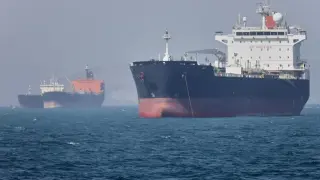
The United Arab Emirates accused Iran of attacking another ADNOC-owned tanker as it traversed the Strait of Hormuz, the third such strike in a week; no injuries were reported, and UAE officials called for Iran to halt attacks and reopen the strait amid broader tensions over navigation and global oil flows.
Iran hit an ADNOC-owned tanker in the Strait of Hormuz, with UAE officials saying there were no injuries, as Israeli strikes in southern Lebanon killed at least nine people and drew Hezbollah’s condemnation; Israel says it targeted Hezbollah infrastructure. The U.S. is reinforcing the region with carrier movements, including USS George Washington set to relieve USS Lincoln, and President Trump floated declaring the Hormuz Strait a U.S. territory, highlighting mounting regional tensions.
The United Arab Emirates says Iran conducted unprovoked attacks on two ADNOC-linked vessels in the Strait of Hormuz, calling the incidents acts of piracy and urging the complete, unconditional reopening of the strait with no injuries reported. Separately, CENTCOM rejected recent reports of deaths or a spike in suicidality aboard the USS Abraham Lincoln, stating no service members died and a sailor who fell overboard was recovered safely, emphasizing the carrier’s crew remains resilient.
The United Arab Emirates condemned Iran for attacking two ADNOC vessels in the Strait of Hormuz, calling the act piracy and a threat to global energy security; no injuries were reported, Iran has not commented, and the incident followed a similar attack on an ADNOC tanker last weekend.
A new wave of attacks in the Gulf widens the toll on energy infrastructure: an ADNOC-owned vessel was hit by an Iranian missile in the Strait of Hormuz, part of a pattern that has seen 15 ADNOC vessels struck since February, with one seafarer killed and 20 injured. Talks to reopen Hormuz remain stuck as Iran seeks sanctions relief and other concessions. Meanwhile the Houthis claim a drone strike on Aramco’s Jazan refinery causing a fire that was extinguished with no injuries, and they've attacked Mocha port amid a broader naval and oil‑shipping conflict. The Saudi strike follows a Houthi blockade. Separately, Precious Shipping received a $10.9m payout from war-risk underwriters for the Mayuree Naree loss, including crew compensation as three sailors died and the vessel was declared a constructive total loss.
Iran’s top security body says the Strait of Hormuz won’t reopen until Washington changes its behavior, lifts sanctions and the naval blockade, and compensates Tehran, while talks with Oman over transit routes proceed; an ADNOC ship was struck by a missile in Hormuz with no casualties reported; Yemen’s government retaliates against Houthis with attacks on rebel sites; Turkey’s parliament advances a Kurdish peace bill setting out disarmament procedures for the PKK, and Ankara says the Turkey–Saudi–Pakistan defense pact is not aimed at any third country, with potential broader participation.
The UAE says Iran fired a missile at an ADNOC-owned tanker crossing the Strait of Hormuz, reporting no casualties in this incident, while ADNOC notes that 15 of its vessels have been attacked since the conflict began, including three this week that killed one crew member and injured 20. Gulf and regional governments condemn the strike as an escalation, and Iran-linked threats add to tensions over keeping the Hormuz chokepoint open for global energy flows.
An ADNOC-affiliated tanker transiting the Strait of Hormuz was targeted by a missile, with no injuries reported and authorities saying the situation is under control. Iran warned the strait would reopen only under its conditions, fueling concerns about a potential disruption to global oil flows. Traffic through Hormuz has fallen sharply, oil prices ticked higher, and Iran–Oman talks on transit routes continue, including a draft plan that could restrict who may pass and under what terms.
The UAE will fast-track the West-East Pipeline to double crude export capacity via Fujairah by 2027, directed by Abu Dhabi’s crown prince. The expansion strengthens the UAE’s ability to bypass the Strait of Hormuz, addressing vulnerability exposed by recent disruptions, and complements the existing Habshan-Fujairah line which already carries about 1.8 million barrels per day.
The UAE’s ADNOC reportedly moved at least 6 million barrels of Upper Zakum and Das crude through the Strait of Hormuz in April using four tankers with AIS transponders off, a ghost-fleet tactic to dodge Iran’s blockade; Iran retaliated by striking an empty ADNOC tanker, and ADNOC plans May loadings via ship-to-ship transfers, signaling the UAE remains active as other Gulf producers pull back, a pattern that could define oil flows for the near term.
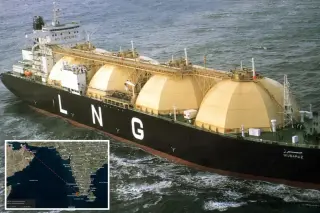
An LNG tanker named Mubaraz carrying over 130,000 cubic meters of gas from the UAE became the first full gas tanker to exit the Strait of Hormuz since the Iran conflict began; its signal disappeared in March and reappeared west of India, now heading to Tianjin, China, and is managed by ADNOC’s subsidiary. Earlier in April an empty tanker crossed Hormuz, but more than a dozen gas tankers remain trapped in the Persian Gulf. Lloyd’s List data show a sharp drop in transits through the strait as tensions persist and Iran has threatened tolls and attacked vessels.
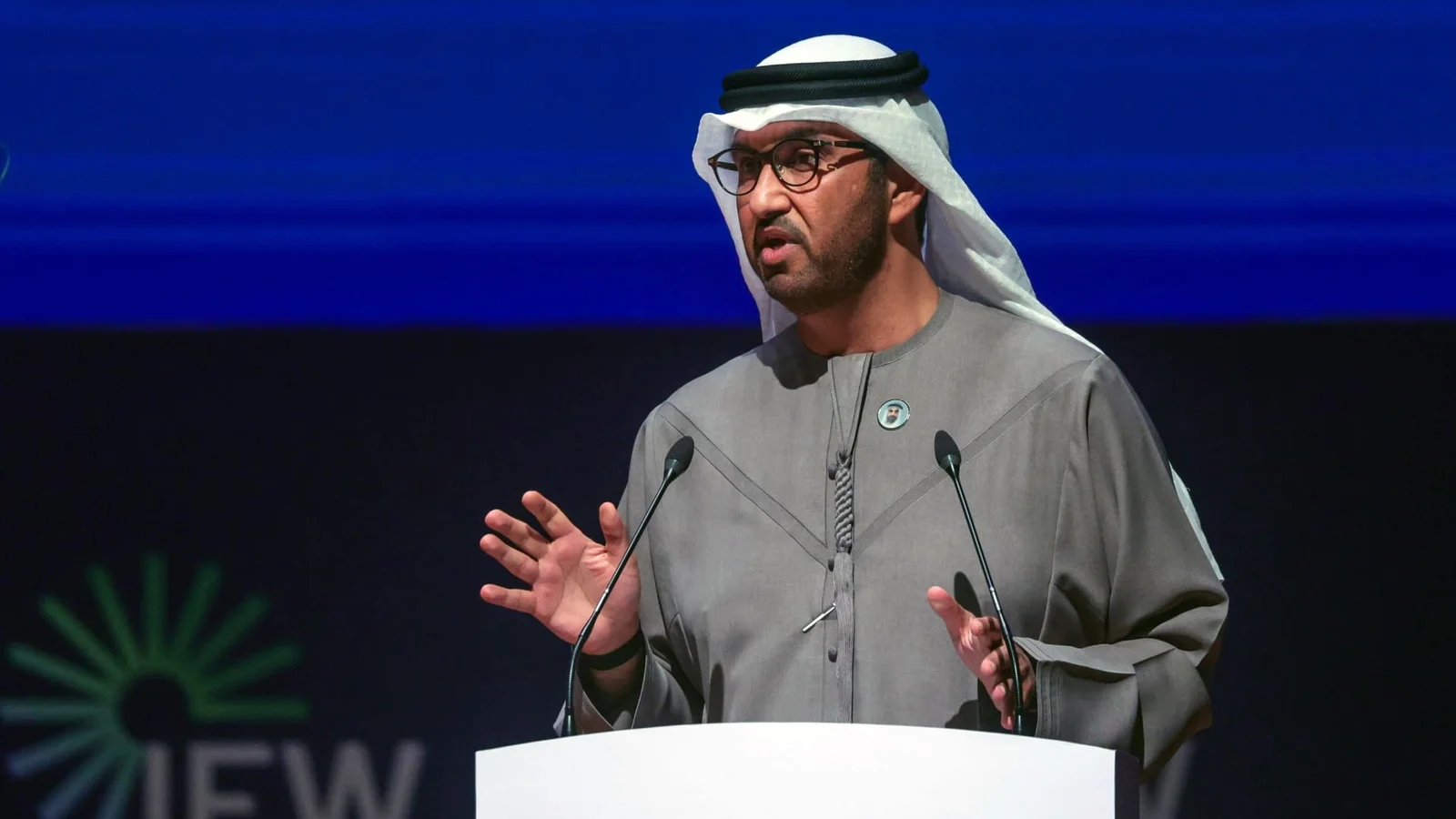
ADNOC CEO Sultan Al Jaber denounces Iran’s attacks on shipping in the Strait of Hormuz as ‘economic terrorism’ that hostage-holds the world, noting hundreds of missiles and more than 1,700 drones launched at the UAE since the conflict began and eight deaths with 161 injuries; with about 20% of global oil and LNG passing Hormuz, he says the key to stability is keeping the strait open, while several oil majors canceled in-person appearances at CERAWeek due to the war.
ADNOC chief Sultan al-Jaber called Iran’s attacks on the Strait of Hormuz an act of terrorism against every nation and urged that the waterway remain open, stressing that choking Hormuz would harm the global economy. His remarks come amid the Gulf crisis, energy‑supply tensions, and ongoing diplomatic signals between the U.S. and Iran.
Adnoc's XRG has canceled its $18.7 billion acquisition of Santos, marking a significant development in the energy sector amidst ongoing industry shifts.
ADNOC-led consortium has proposed an $18.7 billion all-cash takeover of Australian gas producer Santos, offering a 28% premium, aiming to expand its global LNG business amid regulatory hurdles and market uncertainties.