
Admiral Davidson Reassesses 2027 Taiwan Deadline Amid U.S. Arms Delays and Chinese Coercion
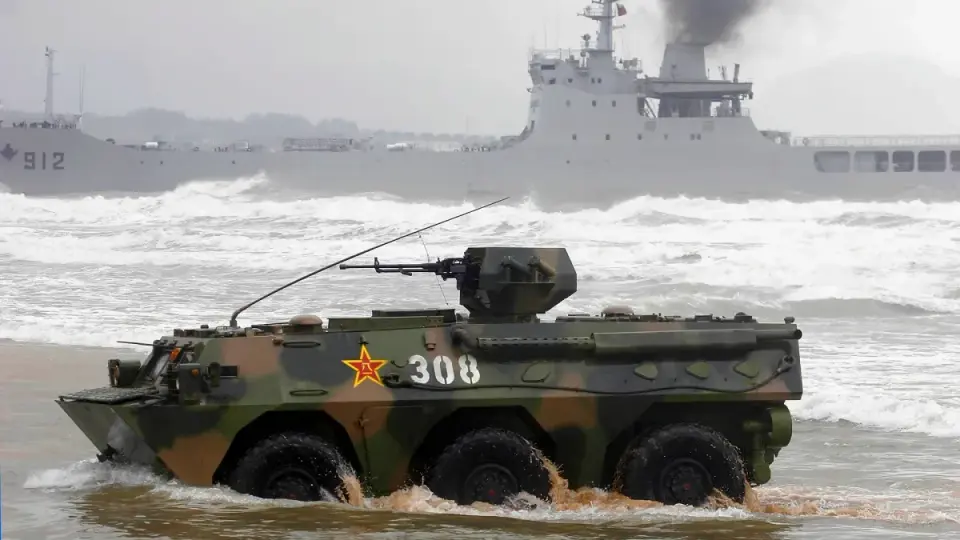
Former U.S. Pacific commander Philip Davidson has expressed hope that his 2021 prediction of a Chinese invasion window by 2027 was incorrect, citing improved allied deterrence. However, he warns that stalled U.S. arms sales to Taiwan and Chinese information warfare remain critical vulnerabilities. While Beijing has not yet launched a full-scale invasion, it is escalating coercive measures, including naval blockades and economic pressure, to test U.S. commitment.
Key points
- Admiral Philip Davidson, who coined the 'Davidson Window' term in 2021, stated on a podcast that he hopes his assessment of a 2027 invasion threat was wrong, attributing this to successful deterrence efforts.
- Davidson noted significant improvements in U.S. and allied capabilities, including expanded joint exercises with Japan and Australia, and Taiwan’s development of asymmetric defenses like drones and coastal mines.
- He criticized the U.S. for failing to deliver a committed $14 billion arms package to Taiwan, which was paused after a May 2026 summit between Presidents Trump and Xi.
- Davidson highlighted China’s aggressive information warfare, noting that bots and propaganda may account for up to 70% of social media commentary in the region, undermining democratic confidence.
- Foreign Affairs analysts argue that U.S. public support for defending Taiwan has dropped to 38%, while China pursues 'unification without formal unification' through economic and maritime coercion rather than immediate kinetic conflict.
Background
The 'Davidson Window' refers to the timeframe identified by Admiral Davidson in March 2021, when he testified that China might be ready to invade Taiwan by 2027. This assessment was later corroborated by the CIA. Recent archive reports from November 2026 indicate that China has been conducting large-scale, unannounced naval exercises around Taiwan, simulating isolation and blockade, which Taiwan officials describe as 'silent intimidation' ahead of international summits.
How outlets are covering it
TWZ emphasizes Davidson’s personal reassessment and the technical improvements in regional defense, such as missile deployments in the Philippines and Japan’s increased defense spending. Foreign Affairs focuses on the political erosion of U.S. commitment, citing Trump’s characterization of Taiwan as a 'negotiating chip' and declining public support for military intervention. National Review argues that China is already waging a non-kinetic war for dominance, using coercion to avoid the risks of a hot conflict. The sources agree that while a full-scale invasion is not imminent, the risk of crisis is rising due to U.S. indecision and Chinese escalation.
Why it matters
The stability of the Taiwan Strait is critical to global supply chains, particularly for high-end semiconductors, which account for 97% of global production. A crisis could trigger a global recession and disrupt U.S. economic interests. The current pause in arms sales and shifting U.S. political stance may embolden Beijing to pursue coercive measures, potentially leading to a great-power standoff without a formal declaration of war.
What to watch
U.S. policymakers are expected to debate the resumption of the $14 billion arms package to Taiwan, which includes Patriot and NASAMS air defense systems. Congress may push for legislation to clarify opposition to Chinese blockades. China may continue to test U.S. resolve through maritime and economic coercion, particularly if it perceives a waning American commitment ahead of the 2028 U.S. elections.
- ‘Davidson Window' Admiral Hopes He Was Wrong On China's Ability To Take Taiwan By 2027 TWZ
- A Recipe for Disaster in Taiwan | Rebecca Lissner and Mira Rapp-Hooper Foreign Affairs
- Beijing Doesn’t Need to Invade Taiwan to Control It Bloomberg
- Can Stability Across the Taiwan Strait Hold? CNA | National Security Analysis
- China’s War for Indo-Pacific Dominance Is Already Underway National Review
Want the full story? Read the original reporting
Read on TWZ