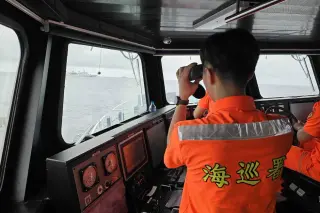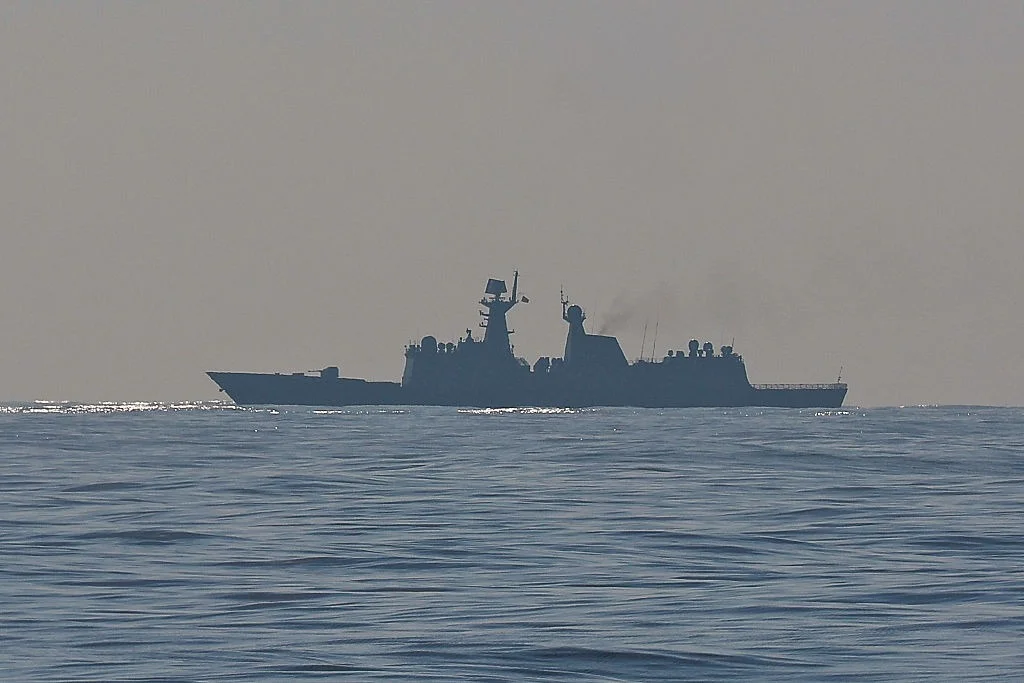
China is defending patrols near Taiwan after European concerns, with a Chinese navy vessel spotted near Pengjia Islet, highlighting ongoing cross-strait tensions and Western scrutiny of Beijing's maritime activity.
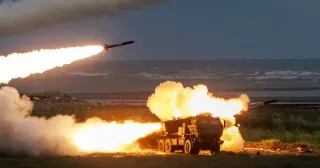
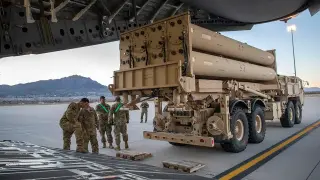
Taiwan conducted a live-fire exercise of its U.S.-made HIMARS system on the west coast, demonstrating shoot-and-scoot mobility and the ability to strike coastal targets up to about 190 miles away, as part of a broader effort to modernize forces for asymmetric warfare in the Taiwan Strait.
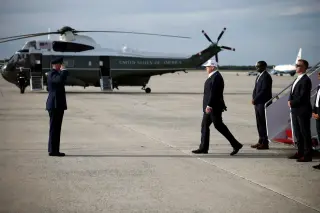
A Brookings analysis argues that Trump’s hints at negotiating with Beijing over Taiwan and using arms sales as leverage would undermine deterrence, embolden Beijing, and raise the risk of conflict in the Taiwan Strait. The path to peace, the piece contends, is a steady U.S. commitment to peace and stability, resisting unilateral moves by either side, preserving influence in both Taipei and Beijing, and encouraging direct cross-strait dialogue rather than concessions that undermine deterrence.
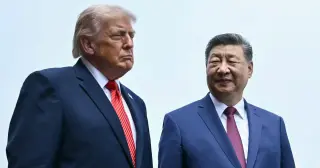
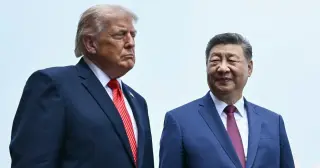
At the Beijing summit, Trump declined to address whether Taiwan was raised; Xi warned the Taiwan issue is the core danger in China–U.S. relations and could trigger war if disagreements arise, while the White House readout highlighted economic talks and omitted Taiwan, signaling caution not to antagonize Beijing.
During a two-hour Beijing meeting, Xi Jinping warned that the Taiwan question could trigger clashes or conflicts if mishandled, while presenting the talks as productive with a focus on stabilizing trade; the White House framed the discussions as positive and trade-focused, but Taiwan remains a sensitive, unresolved issue amid broader U.S.-China tensions over Iran and cross-strait peace.
As the Iran war enters its third month, experts say the U.S. experience offers lessons for a potential China–U.S. clash over Taiwan: Beijing may misjudge its adversary and its own strengths, while Iran’s use of inexpensive drones against defences contrasts with Washington’s high-tech air campaign. Analysts urge China to harden key sites and prepare for drone-enabled, high-cost warfare, and Taiwan to boost mass-drone production and defenses. The United States may end up defending in a Pacific conflict, where drones raise the cost of invasion and deter aggression. Ultimately, battlefield wins don’t guarantee political outcomes, and any Taiwan scenario would quickly involve global trade and third-party interests.
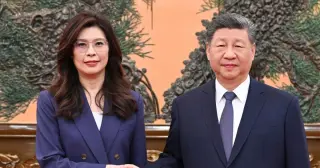
Chinese President Xi Jinping met in Beijing with Taiwan’s main opposition leader, Cheng Li-wun of the Kuomintang, signaling Beijing’s aim to influence Taiwan politics while stressing that unification is a historical inevitability; Cheng framed the talks as a pragmatic step toward a stable, gradual relationship and did not publicly challenge Beijing or raise arms-sales issues. The meeting comes as China intensifies military drills around Taiwan and Washington–Beijing tensions over arms sales linger, with no grand announcements and ahead of a possible visit by Donald Trump to China.
Taiwan’s Kuomintang figure Cheng Li-wun met Chinese President Xi Jinping in Beijing — the highest‑level Taiwanese leader to do so since 2015 — with both sides voicing opposition to Taiwan independence and a desire for peaceful cross‑strait ties. Cheng urged reconciliation and a reduction of political confrontation, while Xi highlighted shared history and signaled willingness to work for peace with the KMT and broader Taiwanese society. The meeting unfolds amid ongoing U.S. arms debates and China’s military activity around Taiwan, drawing skepticism from the ruling DPP over Beijing’s aims and Taiwan’s sovereignty.
As Xi Jinping prepares for a summit with President Trump, he invites Cheng Li-wun, chair of Taiwan’s main opposition Nationalist Party, for a rare visit to China to promote a peace message and show Beijing’s willingness to engage with Taipei’s pro-Beijing voices. The move is meant to shape public diplomacy and potentially influence U.S. arms policy, even as Taiwan’s government and some party members caution against relying on Beijing’s goodwill or undermining defense readiness.
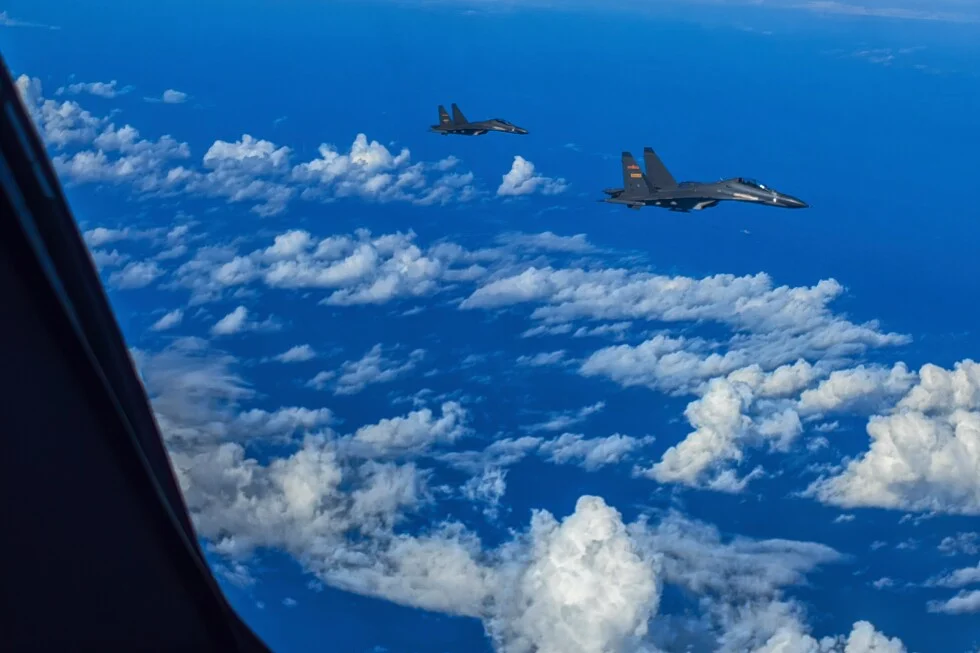
Taiwan reports a renewed surge of Chinese military aircraft around the island after a period of quieter weeks, signaling ongoing PLA air activity and exercises near Taiwan.
A Denisovan jawbone found 60–120 meters deep off the coast of Taiwan and identified using paleoproteomics confirms Denisovans’ presence in warmer coastal Asia and suggests they thrived in diverse environments beyond Siberia. Dating is uncertain, estimated between 10,000 and 190,000 years ago, highlighting their adaptability and potential interactions with other hominins.
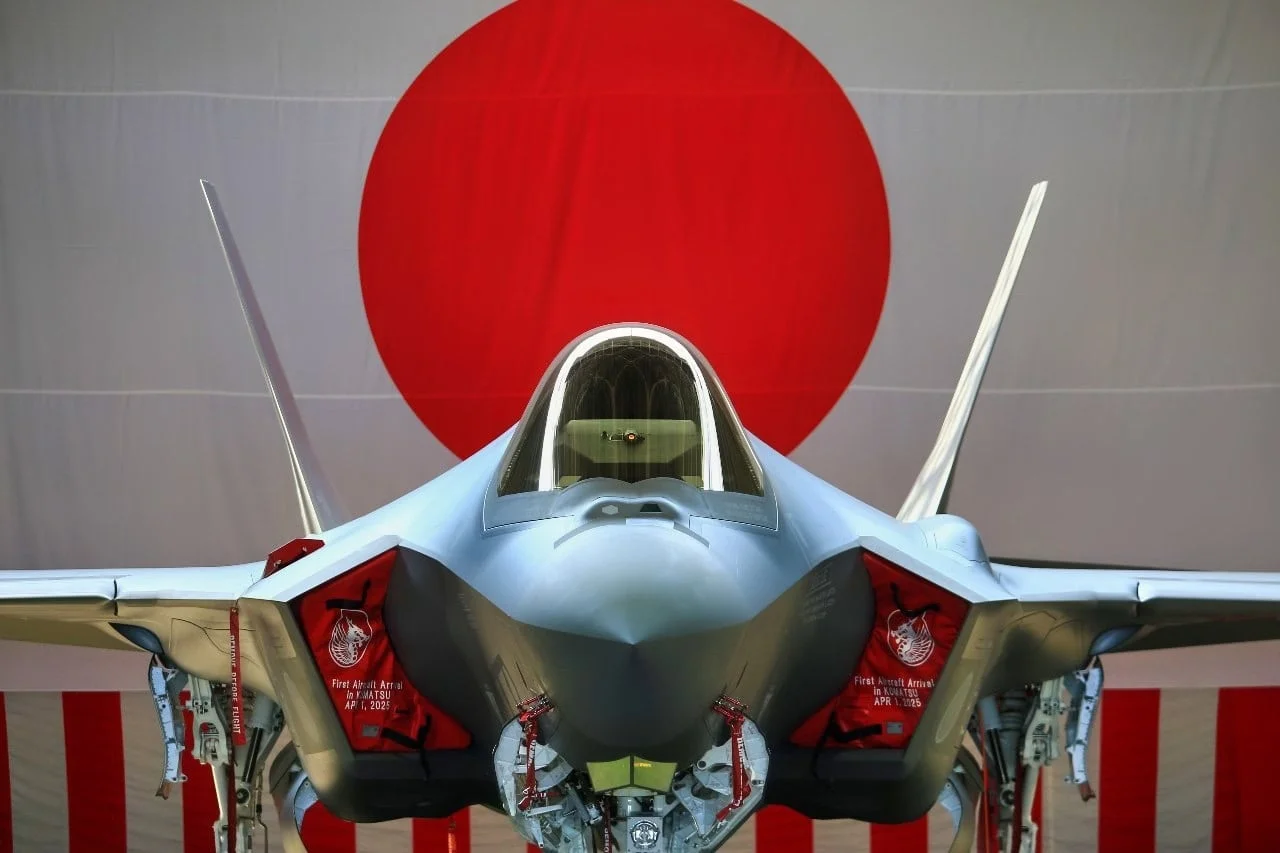
The United States plans to base 48 new F-35A stealth fighters at Misawa Air Base in Japan, extending 5th‑generation air power toward the Taiwan Strait and potentially mainland China without relying on tanker aircraft, creating a semi‑circular allied perimeter from Japan to Australia to deter or counter China.
Beijing is unlikely to invade Taiwan in 2026, instead relying on coercive tools—diplomatic isolation, information operations, economic pressure and continued military posturing—to wear down Taiwan while preserving attack options. Xi’s calculus hinges on military readiness and leadership reliability, likely US and regional responses, Taiwan’s defenses and political dynamics, Chinese domestic economic challenges, and broader global context. Despite notable military gains and internal purges, the risk of escalation remains a key factor, making war less likely this year but not impossible if conditions shift.
Taiwan remains on high alert after China conducted extensive military exercises around the island, including missile launches and naval deployments, which have since begun to withdraw but keep Taiwan's emergency response active amid regional tensions and a recent US arms package to Taiwan.
China conducted its most extensive military exercises around Taiwan, including live-fire drills and simulated strikes, in response to increased tensions and U.S. arms support for Taiwan, aiming to deter external intervention and demonstrate military superiority.