
Iranian missile hits UAE tanker as Tehran demands US concessions for Hormuz reopening
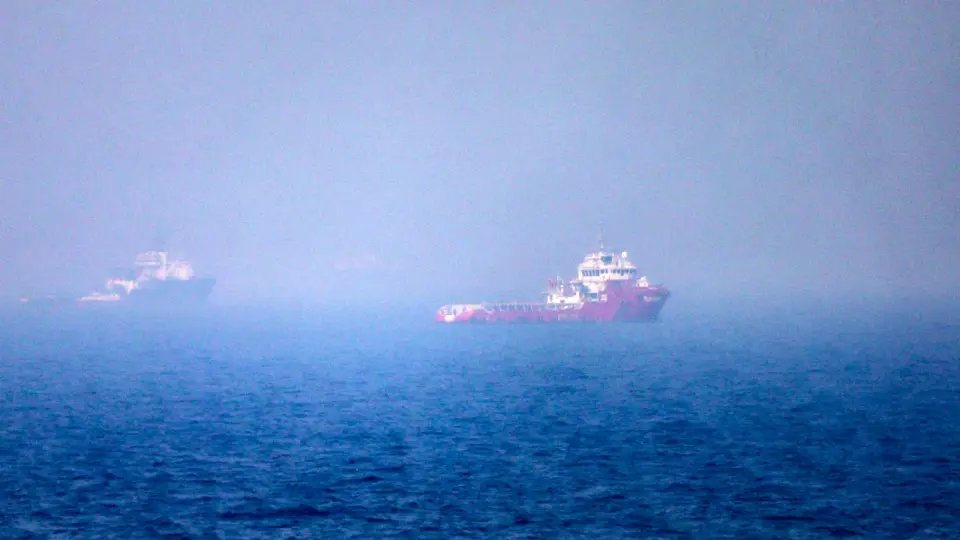
An ADNOC-affiliated tanker was struck by a missile in the Strait of Hormuz on Saturday, marking the fourth such attack on UAE vessels this week. While no injuries were reported, the incident underscores the ongoing closure of the strait, which Iran insists will only reopen if the US meets specific conditions, including compensation and the withdrawal of forces. Despite US claims of imminent agreements, ship traffic remains down 33%, and oil prices have risen as investors await a resolution to the conflict that began in February.
Key points
- ADNOC confirmed a missile strike on one of its vessels in the Strait of Hormuz early Saturday, with no injuries reported and the situation under control.
- The UAE condemned the attack, noting it is the fourth targeting of its tankers in the current week and the 15th since the war began in February.
- Iran’s Supreme National Security Council secretary, Mohammad Bagher Zolghadr, stated that reopening the strait requires the US to 'rectify its behavior,' pay war damage compensation, and withdraw forces.
- Iranian Revolutionary Guards spokesman Sardar Mohbi emphasized that the strait is a component of Iran's strategic power, not just an economic waterway, and its reopening is tied to US compliance, not Oman negotiations.
- Ship traffic through Hormuz dropped 33% on Friday, with Brent crude rising over 1% to $83.55 per barrel, though prices fell 7% for the week overall.
Background
The current crisis stems from the US-Iran war that began on February 28, 2026. A June 17 memorandum of understanding aimed to extend a ceasefire and restore shipping, but it collapsed after Iran attacked vessels using an 'unauthorized' route near Oman. Since then, tit-for-tat strikes have continued, with Iran targeting Gulf neighbors and the US maintaining a naval blockade. Previous escalations in July included US air campaigns and threats to strike Iranian infrastructure, while recent diplomatic efforts have stalled amid conflicting claims of progress.
How outlets are covering it
CNBC highlights the immediate security incident and the US administration's previous claims of an imminent deal, contrasting them with the lack of actual progress. The Financial Times focuses on the internal Iranian dynamics, noting that hardliner Mohammad Bagher Zolghadr is demanding harsh conditions, while reformist President Masoud Pezeshkian advocates for a deal with Oman. The FT also points out that any agreement requires approval from Supreme Leader Mojtaba Khamenei, suggesting potential internal divisions in Tehran's leadership regarding the pace and terms of negotiations.
Why it matters
The Strait of Hormuz carries about a fifth of the world's oil and gas. Its continued closure and the threat of further attacks on shipping are driving global energy supply shocks, inflation, and market volatility. The inability to reach a stable agreement risks prolonged conflict and economic instability, with oil prices remaining sensitive to any news regarding the strait's status or US-Iran negotiations.
What to watch
Diplomats are hopeful that an agreement between Iran and Oman on shipping routes could revive the June memorandum and lead to a final settlement. However, Iran's demand for US compensation and withdrawal of forces remains a significant hurdle. Investors will watch for any announcements on the strait's reopening, which could trigger a sharp drop in oil prices, while the risk of further military strikes remains high if negotiations fail.
- UAE says one of its ships was targeted by missile as U.S.-Iran tensions over Strait of Hormuz remain high CNBC
- Iranian missile targets UAE tanker despite talks to reopen strait Financial Times
- UAE says Iran attacked ADNOC vessel with missile in Strait of Hormuz Reuters
- Hormuz Opening Uncertain After New Strike, as Trump Administration Says Deal May Be Close WSJ
- Vessel struck by projectile off coast of Oman, causing fire, UK maritime monitor says The Times of Israel
Want the full story? Read the original reporting
Read on CNBC