
Analysts doubt Iran’s mine claims as UN flags missing uranium in Isfahan tunnels
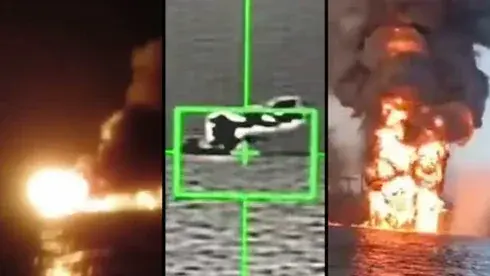
Iran reports multiple tanker explosions in the Strait of Hormuz, attributing them to naval mines, but US analysts suspect deliberate attacks intended to undermine confidence in American naval escorts. Simultaneously, the IAEA has raised alarms over an unverified enrichment facility in Isfahan, where significant quantities of 60% enriched uranium may be buried in underground tunnels, complicating stalled diplomatic negotiations.
Key points
- Iran claims recent explosions on oil and gas tankers in the Strait of Hormuz were caused by naval mines, but the Institute for the Study of War (ISW) argues these are likely deliberate missile or drone strikes designed to erode trust in US naval protection.
- The International Atomic Energy Agency (IAEA) has expressed 'increasing concern' over the Isfahan Fuel Enrichment Plant (IFEP), a facility declared by Iran just before the June 2025 war but never inspected, which may house weapons-grade uranium in underground tunnels.
- President Trump has halted negotiations with Iran, stating the US no longer needs a deal due to effective economic pressure, while Iranian officials reject any transfer of enriched uranium and warn of potential withdrawal from the Nuclear Non-Proliferation Treaty.
- Environmental groups report over 500 oil spills in the Persian Gulf since the conflict began in February, with cumulative pollution covering an area equivalent to Wales, threatening marine ecosystems and coastal communities.
- The International Maritime Organization recorded over 130 incidents involving commercial vessels in the region by November 11, resulting in at least 25 seafarer deaths, with October marking the highest monthly attack count since the war began.
Background
This escalation follows a period of stalled diplomacy where Iran refused to discuss its nuclear program in exchange for lifting blockades. Recent archive coverage noted that Iran rejected US proposals to transfer 60% enriched uranium to a third country, insisting on a full ceasefire first. The current situation builds on earlier claims of mine strikes in late October and November, which coincided with US midterm elections and shifting domestic political dynamics in Washington.
How outlets are covering it
Ynet Global and the Institute for the Study of War (ISW) emphasize the strategic intent behind Iran's mine claims, suggesting they are a tactic to undermine confidence in US naval escorts rather than evidence of active minefields. OilPrice.com highlights the economic impact, noting that despite the attacks, LNG exports via the Strait reached their highest levels since February, though still below pre-war volumes. Mother Jones focuses on the environmental catastrophe, citing satellite data that shows oil spills covering approximately 20,000 square kilometers, a 'generational threat' to Gulf wildlife. While Iran insists it controls the strait and vessels must obtain authorization, US officials and analysts maintain that international maritime law protects passage and that Iran is using indirect attacks to challenge American dominance.
Why it matters
The combination of unverified nuclear material and escalating maritime attacks creates a dual crisis: a potential nuclear proliferation risk and a global energy supply disruption. The inability to verify Iran's uranium stockpile undermines the IAEA's safeguards regime, while the environmental and economic damage from oil spills threatens regional stability and global energy prices. The diplomatic impasse, with both sides refusing to compromise, risks a further escalation in military operations around the Strait of Hormuz, a critical route for global oil and gas transport.
What to watch
Watch for any further IAEA reports on the Isfahan facility or signs of Iran withdrawing from the Nuclear Non-Proliferation Treaty. Monitor the frequency and nature of attacks in the Strait of Hormuz, particularly whether US escorts continue to protect vessels or if Iran escalates its direct attacks. Observe any shifts in US diplomatic posture, as Trump has currently removed Vice President JD Vance from negotiations, focusing instead on economic pressure. Environmental assessments may also emerge as on-the-ground investigations become possible, providing a clearer picture of the long-term ecological damage.
- Iran's ‘mine war’ claims questioned as UN warns over uranium buried at secret nuclear site Ynetnews
- Iran's navy says three tankers on fire after hitting mines in Hormuz Reuters
- Trump’s War Poses a “Generational Threat” to Wildlife in the Persian Gulf Mother Jones
- Iran claims two tankers hit mines in Hormuz, releases unverified video Ynetnews
- Iran Says Gas Tanker Hit Mine in Strait of Hormuz Crude Oil Prices Today | OilPrice.com
Want the full story? Read the original reporting
Read on Ynetnews