
Argentina moves to criminally charge Israeli energy firm over Falklands oil operations
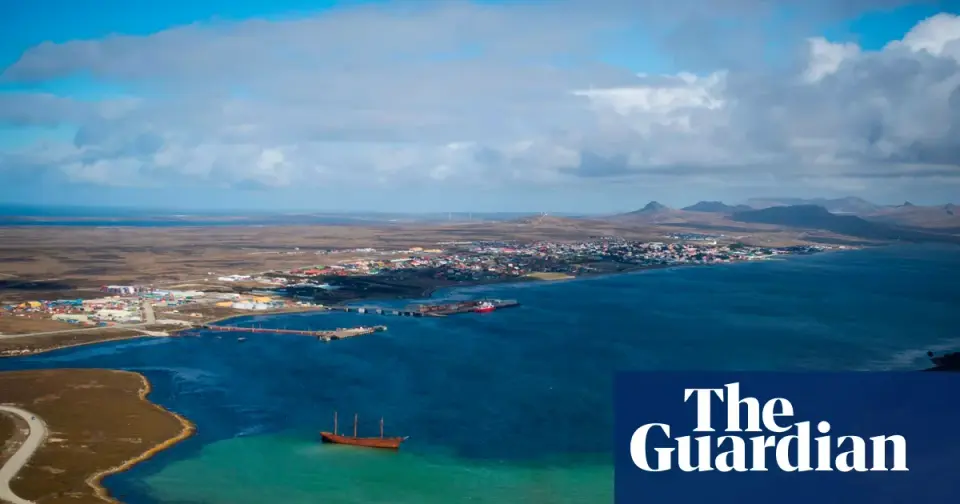
Argentina has announced it will file criminal charges against Israeli energy company Navitas Petroleum and its executives for operating in the Falkland Islands. This legal escalation follows President Javier Milei’s recent threats to sanction oil companies drilling in the British overseas territory, a move intensified by US President Donald Trump’s ambiguous comments regarding US support for British sovereignty. While Argentina alleges violations of its laws regarding hydrocarbon licenses, Navitas and its partner Rockhopper Exploration maintain they hold valid permits and will proceed with the Sea Lion oil project, which is expected to begin production in 2028.
Key points
- Argentina’s foreign minister Pablo Quirno will file criminal complaints against Navitas Petroleum, its subsidiaries, and corporate directors for operating in the Falkland Islands.
- The charges allege that the companies violated Argentinian law by holding hydrocarbon exploration licenses issued by the UK in the North Falkland Basin.
- President Javier Milei previously threatened sanctions against the Sea Lion offshore oil project, which is operated by Navitas (65% stake) and Rockhopper Exploration.
- Milei linked his actions to US President Donald Trump’s recent remarks suggesting a review of US neutrality on the islands, interpreting this as a shift favorable to Argentina’s claims.
- Navitas and Rockhopper stated they would continue operations, citing valid licenses granted by the Falkland Islands government with UK support.
- Production at the Sea Lion field, located approximately 220km north of the islands, is scheduled to begin in 2028.
Background
This development follows a series of escalations in September 2026, where Milei used the Falklands dispute to bolster his political standing ahead of the 2027 elections and to leverage relations with Washington. Previous archive coverage noted that Milei had already threatened sanctions and funded a naval base in Tierra del Fuego, while analysts suggested that a genuine US policy shift was unlikely but could provide diplomatic leverage. The current move to file criminal charges represents a further hardening of Argentina’s legal stance against private energy firms, moving beyond diplomatic rhetoric to potential judicial action.
How outlets are covering it
The Guardian and CNN emphasize the legal and diplomatic escalation, highlighting Milei’s interpretation of Trump’s comments as a 'threat' that validates Argentina’s claims. Al Jazeera provides broader context on the 1982 war and the economic stakes of the oil dispute, noting that Argentina’s sovereignty claim is enshrined in its constitution. While all sources agree on the core facts of the criminal charge announcement, they differ in emphasis: CNN focuses on Milei’s desire for a 'consensus solution' similar to the Hong Kong handover, whereas Al Jazeera highlights the potential for transatlantic tensions if the US were to actually shift its position. The energy companies, as reported by all outlets, dismiss the threats, asserting their legal right to operate under UK-issued licenses.
Why it matters
The move to file criminal charges signals a significant escalation in the long-standing Falklands dispute, moving from diplomatic posturing to potential legal action against private corporations. It reflects the intersection of energy interests, historical sovereignty claims, and shifting US foreign policy dynamics. For the UK, it tests the resilience of its support for the islands amidst US pressure; for Argentina, it is an attempt to leverage international attention and economic pressure to advance its territorial claims, potentially influencing future negotiations or conflicts in the South Atlantic.
What to watch
The immediate next step is the formal filing of the criminal complaint by Foreign Minister Pablo Quirno. The outcome will depend on whether international courts or Argentine legal systems can enforce jurisdiction over foreign entities operating under UK licenses. Additionally, the US may clarify its position on the Falklands, potentially affecting the diplomatic balance. The energy companies may face increased scrutiny or legal challenges, though they have stated they will proceed with the Sea Lion project as planned for 2028.
- Argentina says it will file criminal charges against energy company in Falklands row The Guardian
- Why do the Falkland Islands matter to the UK and Argentina so much? aljazeera.com
- Milei-Allied Real Estate Mogul Defends His Falklands Investment Bloomberg.com
- Argentina ratchets up Falklands tensions after Trump casts doubt on support for Britain CNN
- Javier Milei’s outburst over the Falklands is a mark of weakness The Economist
Want the full story? Read the original reporting
Read on The Guardian