
Beijing Presses Tehran to Halt Houthi Advance as Saudi Arabia Bypasses Washington
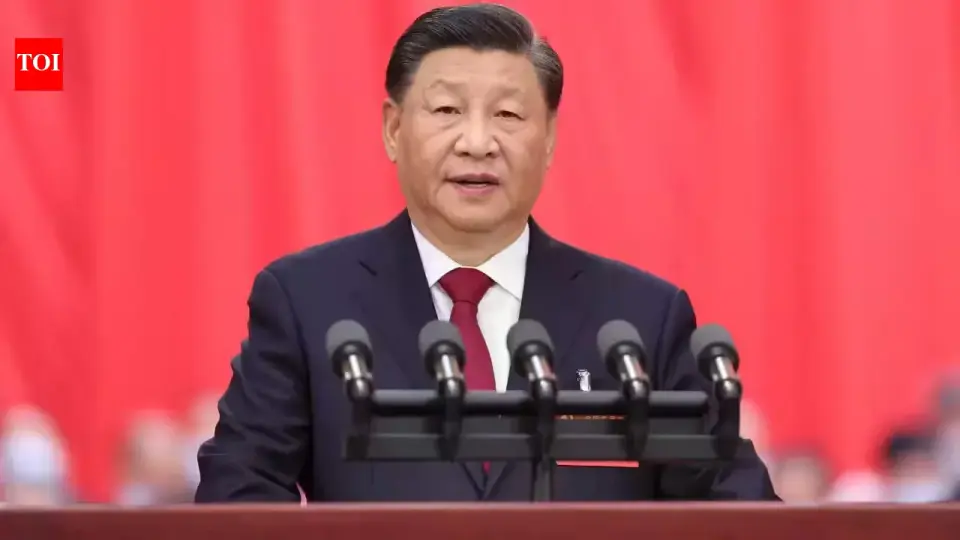
China has privately urged Iran to restrain the Houthis after Saudi Arabia appealed to Beijing for help, following Washington's refusal to intervene militarily. The move aims to protect critical oil routes, though Tehran insists stability requires ending US-Israeli hostilities.
Key points
- China privately asked Tehran to use its influence to rein in the Houthis after Saudi Arabia sought Beijing's help, according to three Iranian sources cited by Reuters.
- The appeal followed rapid Houthi advances along Yemen's Red Sea coast, including the seizure of the port of Mokha and movement toward the Bab el-Mandeb Strait.
- Saudi Arabia previously requested US military assistance from President Trump, who declined direct intervention but offered intelligence support, prompting Riyadh to seek alternative diplomatic channels.
- China's foreign ministry publicly called for restraint and dialogue, stating that escalating instability is not in any party's interest, but did not issue explicit threats to Iran.
- Iran responded that regional stability depends on ending the US-Israeli war on Iran, leaving it unclear if Beijing's pressure will yield results.
Background
This development follows a series of recent escalations where Saudi Arabia sought US military aid against Houthi attacks, only to receive intelligence support instead of direct strikes. Recent archive reports indicate Riyadh has also turned to European nations like France and the UK for air-defense support as US interceptor stocks dwindle. The current crisis adds to existing disruptions in the Strait of Hormuz, which has been effectively shut due to the wider Iran war, creating a dual threat to global oil supply routes.
How outlets are covering it
Reuters and The Times of India emphasize China's economic leverage over Tehran, noting that Beijing is Iran's largest trading partner and buys over 80% of its seaborne oil exports. Al-Monitor frames the situation as a strategic opportunity for China to exploit a gap in US security commitments, suggesting Beijing can deepen ties with Gulf states while Washington hesitates. Business Insider Africa highlights the diplomatic shift, noting that Saudi Arabia's turn to Beijing reflects a search for a new channel to Tehran after Washington's refusal to act. While all sources agree on the private nature of China's request, Al-Monitor argues the US is pursuing a separate diplomatic track with the Houthis, a nuance not detailed in the other reports.
Why it matters
The outcome of this diplomatic pressure could determine the stability of two critical global shipping lanes: the Red Sea and the Strait of Hormuz. With Brent crude prices already elevated and global oil supplies strained, any further disruption could trigger a significant energy crisis. China's ability to influence Tehran without imposing economic pressure will test the limits of its diplomatic leverage in the region.
What to watch
Analysts are watching whether China will attach consequences to its demands if Tehran fails to act. The key question is if Beijing will use its economic and diplomatic leverage to force a de-escalation, or if the situation will continue to deteriorate, potentially leading to a broader regional conflict that impacts global energy markets.
- China asks Iran to rein in Houthis after Saudi Arabia seeks help: Report The Times of India
- EXCLUSIVE: China presses Iran to help rein in Houthis after Saudi appeal, sources say Reuters
- In Yemen, China exploits US security gap while seeking to curb Houthis Al-Monitor
- China emerges as Saudi Arabia’s latest lifeline after Trump declines request to fight Houthis threatening vital Red Sea chokepoint Business Insider Africa
- China urges Iran to control Houthis post attack on Saudi Arabia- reports Seeking Alpha
Want the full story? Read the original reporting
Read on The Times of India