
Bessent claims Iran economy is collapsing, but experts question if sanctions will force Tehran to negotiate
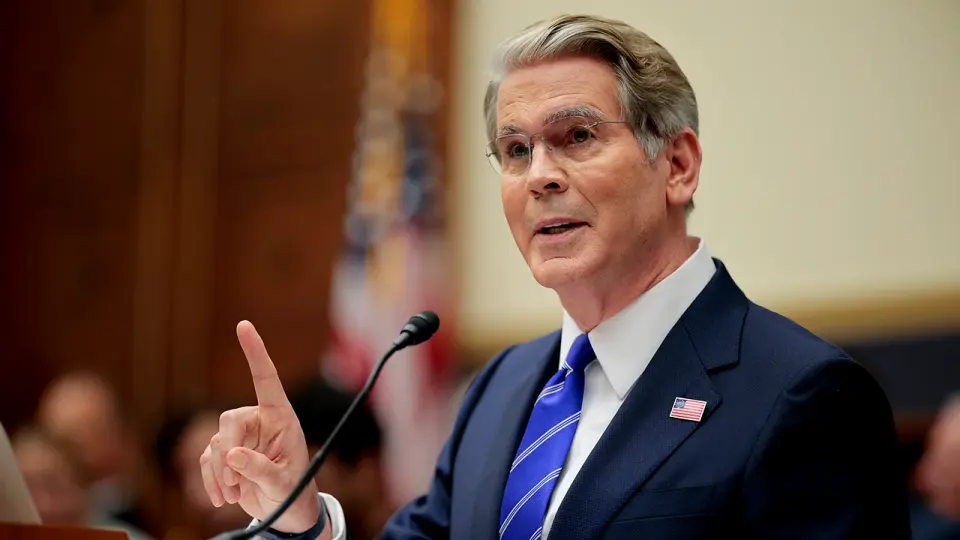
Treasury Secretary Scott Bessent asserts that US financial pressure is causing Iran's economy to collapse, citing a potential 20-25% GDP drop and the depletion of offshore oil reserves. While Washington claims the regime is desperate, experts argue that sanctions have not yet forced Tehran to compromise, and domestic hardships like flour shortages and healthcare failures are intensifying.
Key points
- Bessent describes an eight-week campaign called Operation Economic Outcast, targeting banking channels in Egypt, Turkey, and Russia to isolate Iran financially.
- Iran's offshore oil stocks, which sustained exports to China, have largely depleted, with some estimates showing less than one million barrels remaining.
- Domestic impacts include flour shortages forcing bakery closures, rising internet costs, and two deaths among airline retirees who could not afford medical treatment.
- The Iranian government is attempting to mitigate pressure by controlling inflation and expanding food voucher subsidies, though the IMF projects a 6.1% economic contraction for 2026.
Background
This follows earlier warnings from Bessent in September that Iran would have 'nothing to trade' within two weeks. The current situation builds on a broader 'slow meltdown' characterized by a record-low rial and inflation nearing 90%, as well as ongoing tensions with China regarding trade truces and AI regulation.
How outlets are covering it
Fox Business emphasizes the administration's success, with Bessent claiming the economy is 'collapsing' and the regime is 'panicked.' In contrast, Semafor highlights expert skepticism, noting that while the blockade is painful, it has not led to capitulation or a willingness to compromise. Iran International provides ground-level evidence of the crisis, detailing specific hardships like bakery closures and healthcare failures, while Anadolu Ajansı reports on the government's defensive measures, such as expanding food subsidies to counter Western pressure.
Why it matters
The effectiveness of US economic coercion is being tested against Iran's resilience and its continued, albeit reduced, trade ties with China. If sanctions fail to force a diplomatic breakthrough, the US may consider renewed military strikes, potentially prolonging the conflict.
What to watch
Washington is weighing its next steps against Tehran, potentially including further military action, while Iran continues to manage domestic economic fallout through subsidies and inflation controls.
- Scott Bessent says Iran's economy is 'collapsing' as Treasury tightens financial vise Fox Business
- Bessent says Iran economy will contract by more than 25% Iran International
- Iran seeks to ease economic pressure from US sanctions through inflation control, food subsidies Anadolu Ajansı
- Trump’s Iran sanctions run into limits Semafor
- Iran admits financial strain but dismisses claims of economic collapse Latest news from Azerbaijan
Want the full story? Read the original reporting
Read on Fox Business