Cuba says CIA Director John Ratcliffe met Havana’s interior ministry as the U.S. renews a $100m aid offer amid a severe fuel shortage blamed on the U.S. blockade; Havana says relief would come with lifting sanctions, while protests over blackouts continue and both sides discuss bilateral security cooperation.
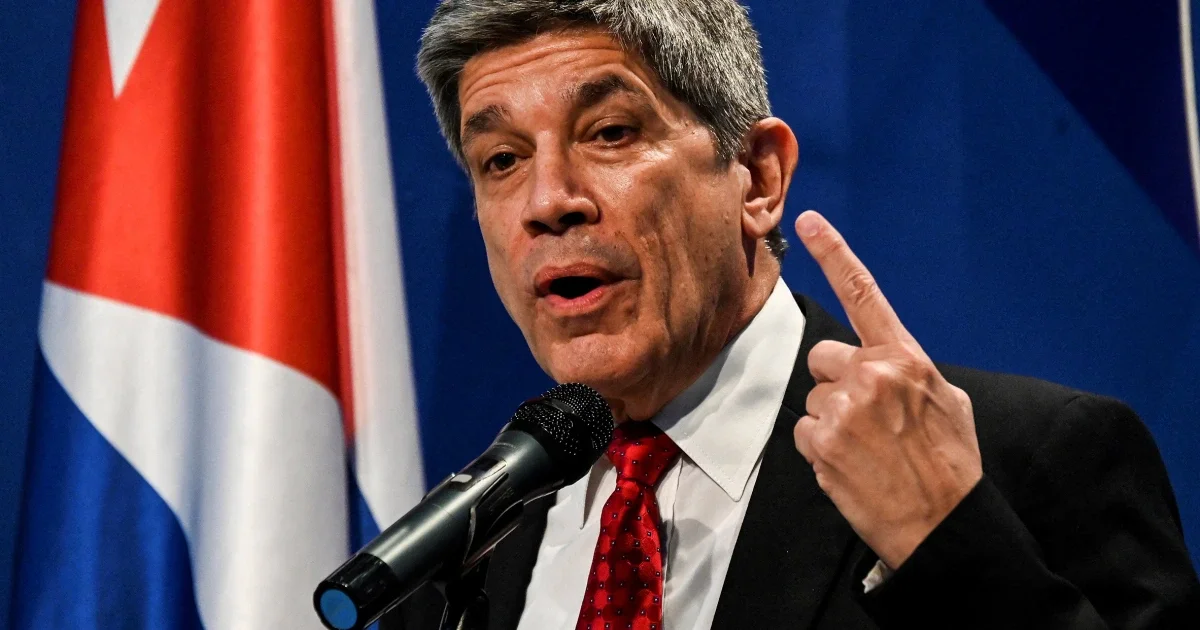
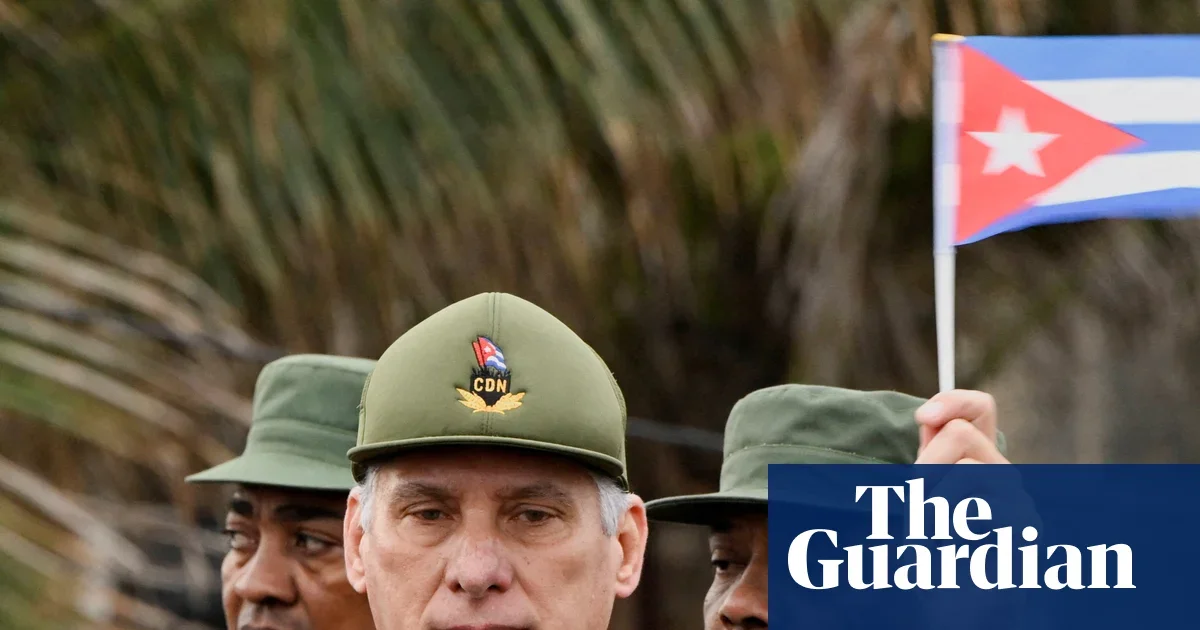
Cuba’s deputy foreign minister said the country’s military is preparing for the possibility of U.S. aggression and that leaders would be naive to ignore the risk, as tensions rise after a U.S.-led operation in Venezuela and ongoing fuel shortages tied to Washington’s blockade. He emphasized Havana’s desire for peace, rejected regime change in talks, and criticized U.S. interference, arguing Cuba must act proactively while upholding sovereignty.
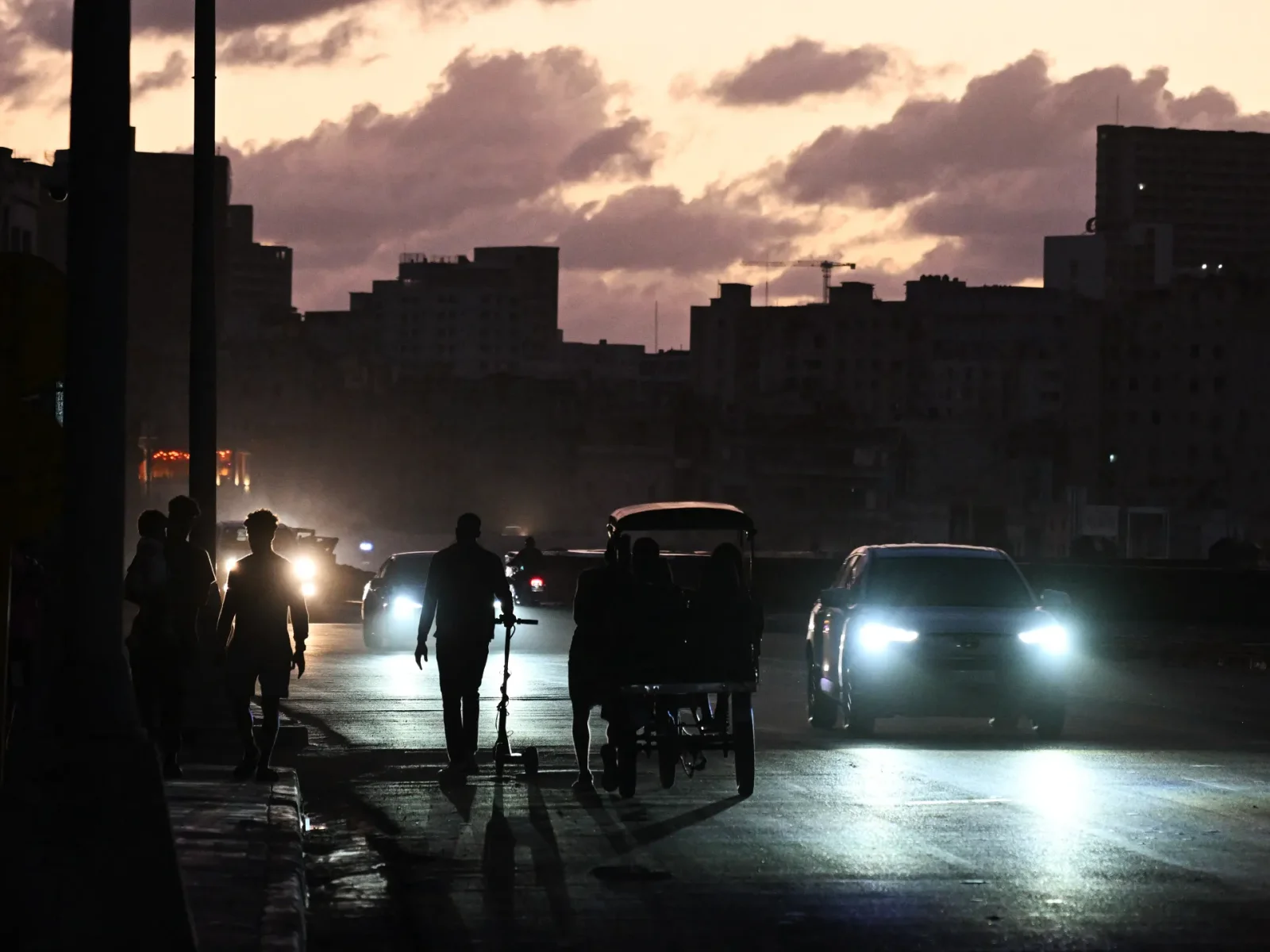
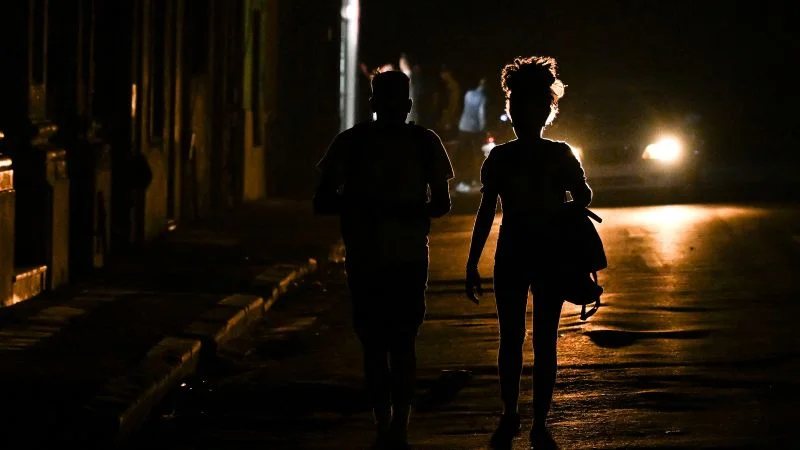
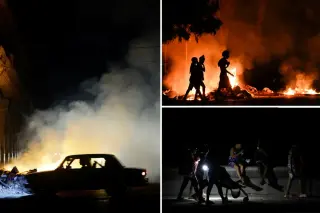
Cuba suffered a second nationwide blackout in a week after a generating unit failed at the Nuevitas plant, triggering cascading outages that hit the island as US oil sanctions bite. With imports limited, authorities activated micro-generators to keep essential services running while Havana and other areas endure hours-long blackouts and tourism is affected.
Cuba endured its third blackout of March after the state‑run power grid collapsed islandwide, blamed on decaying infrastructure and a U.S.-imposed oil blockade, with officials not disclosing a cause for the outage.
Cuba’s nationwide blackout ended as the grid was reconnected and its largest oil-fired plant, Antonio Guiteras, was brought back online after about 29 hours, but authorities warned shortages may persist due to undergeneration and fuel constraints amid a U.S. oil squeeze; talks with the United States over the crisis continue.
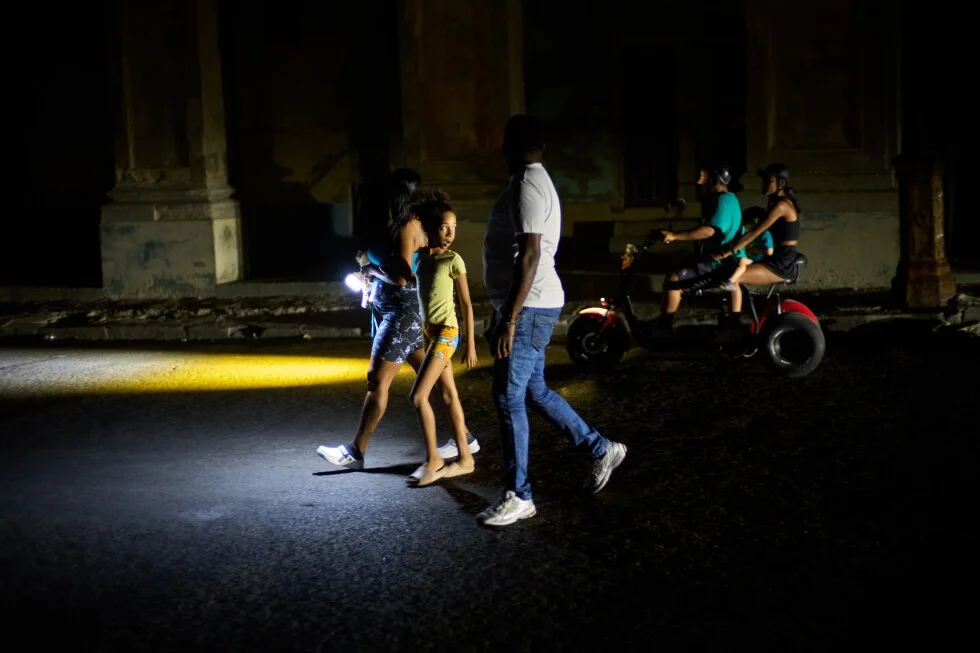
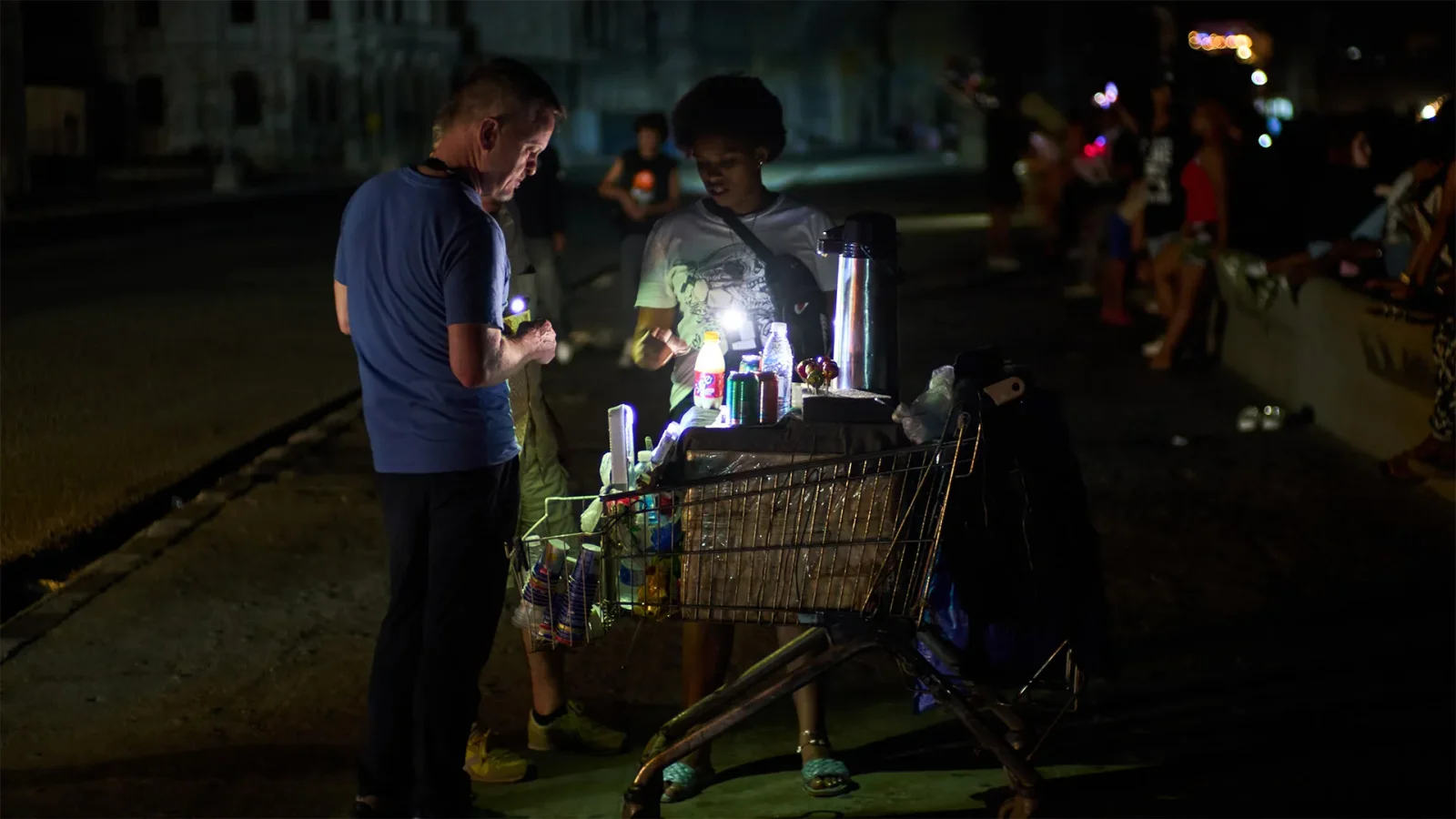
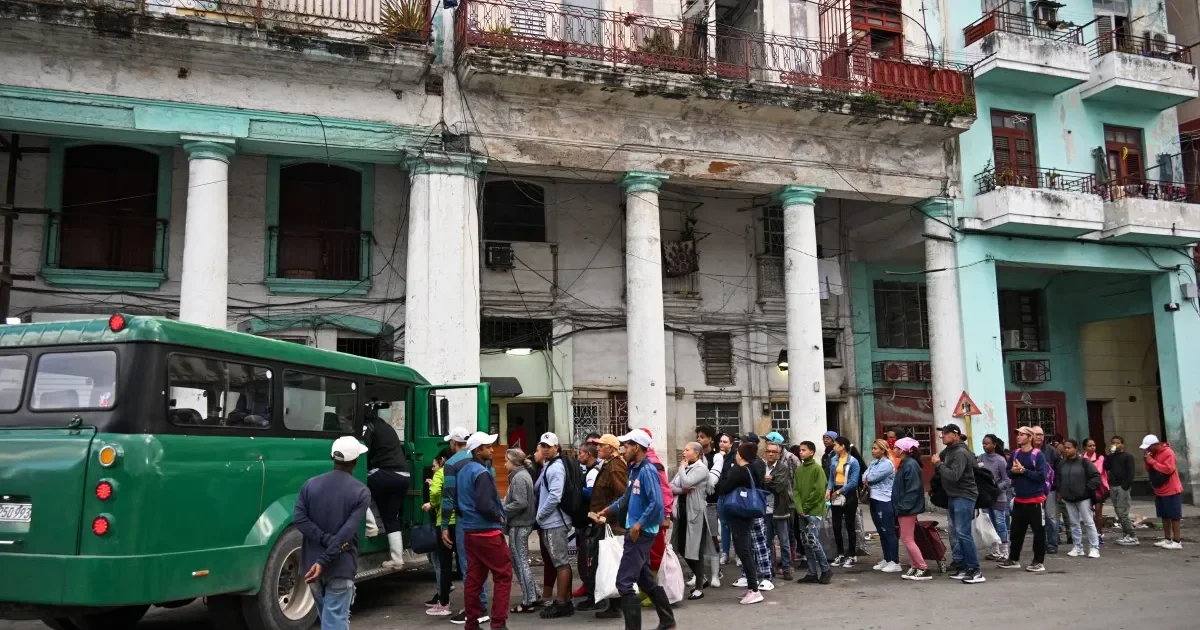
Cuba faced an island-wide blackout amid a prolonged energy crisis and a U.S. blockade, with authorities saying the grid is slowly returning and some microsystems are back online after months without oil; hospitals postponed surgeries, protests grew, and talks with the U.S. are underway as experts warn the aging infrastructure could jeopardize the economy if oil shipments don’t resume.
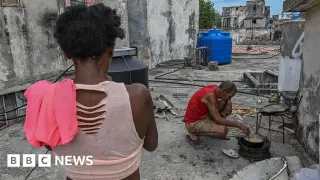
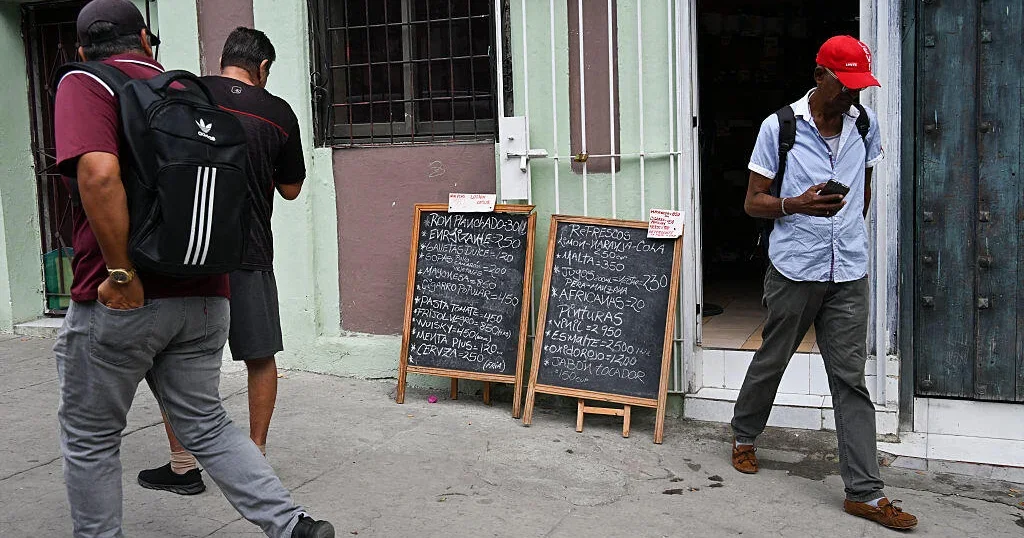
Cuba’s electrical grid collapsed nationwide on Monday, the latest blackout during the US-led oil blockade; officials say there were no faults in the grid and restoration efforts are underway. The country’s generation relies heavily on oil, and the blockade has worsened an energy crisis, triggering emergency measures such as shortened school days, reduced transport, and hospital service cuts, while unofficial fuel prices surge. Protests erupted in Morón over outages and food shortages. Cuban officials blame the blockade for the energy crisis, even as Washington disrupted oil shipments from Venezuela and warned other exporters; critics point to long‑standing underinvestment in the energy sector. The outage coincides with a drop in internet traffic and tourism impacts, though authorities say power will be restored progressively as supplies allow.
Cuban President Miguel Díaz-Canel said Cuba has held talks with U.S. officials to seek solutions to the blockade, stressing dialogue, equality and sovereignty. He attributed three months without petroleum to a U.S. energy blockade that has triggered widespread blackouts and disrupted services and surgeries. The remarks come amid Trump’s assertions of ongoing talks, while Raúl Castro’s grandson, Raúl Guillermo Rodríguez Castro, features in related discussions.
A US-led oil blockade has slashed Cuba’s fuel supply, triggering rolling blackouts and a raft of emergency measures: a four‑day workweek, reduced interprovincial transport, closed major tourism facilities, shorter schooldays, and a shift to prioritizing health, food production, and defense while expanding renewable energy. The crisis follows tightened sanctions and regional tensions, with the UN warning the humanitarian situation could worsen if oil imports do not resume.
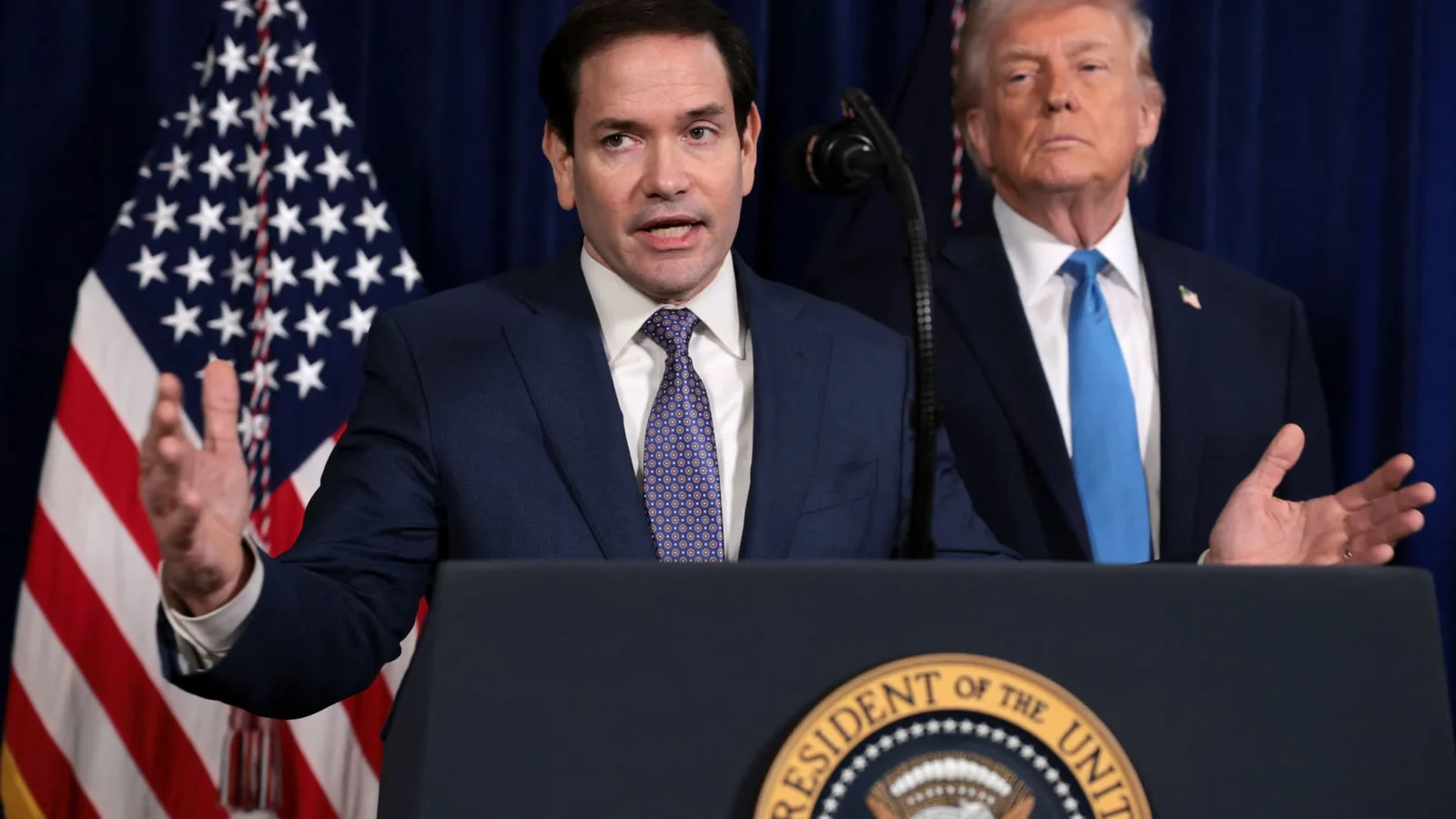
U.S. Secretary of State Marco Rubio indicated that the U.S. plans to leverage its oil sanctions and regional military buildup to influence Venezuela's future, without directly governing the country, following the capture of President Maduro, who has been charged with drug trafficking and replaced by Vice President Delcy Rodríguez. The U.S. aims to use economic and military pressure to push for governance changes, with potential involvement of Western oil companies, while avoiding direct nation-building.
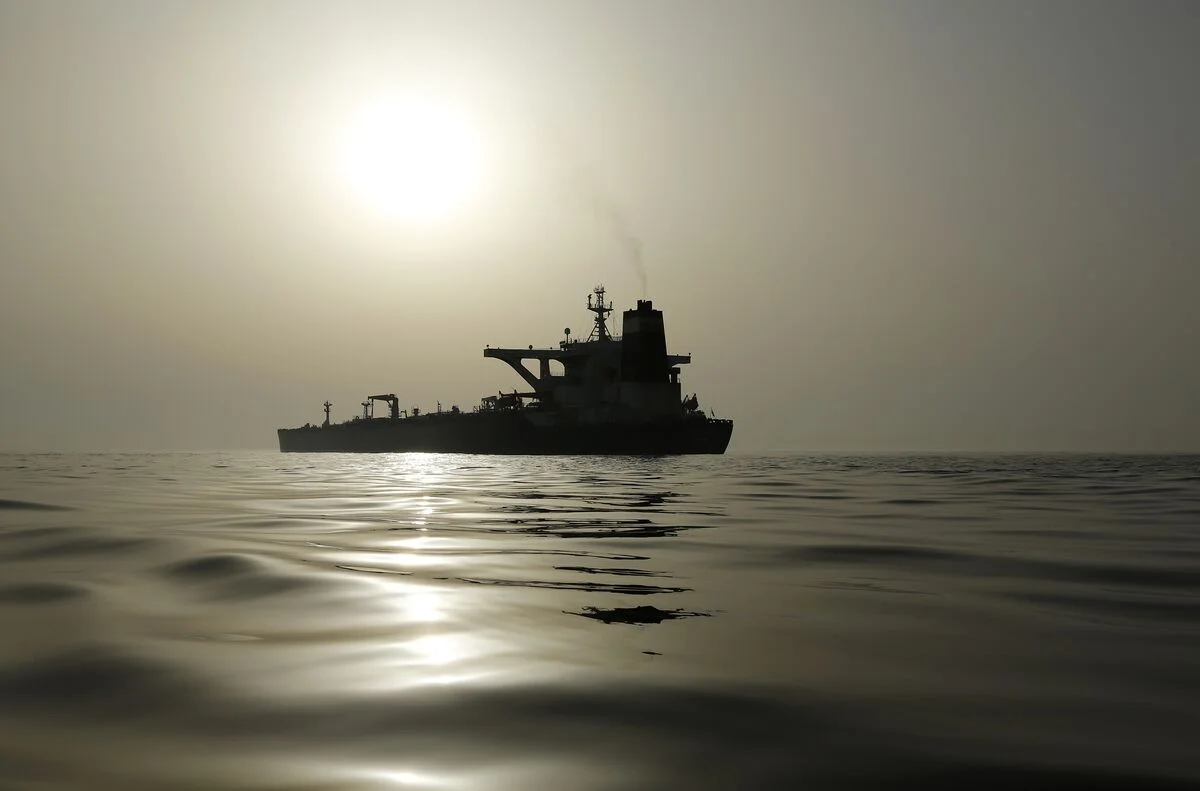
The US has boarded a third oil tanker near Venezuela as part of an intensified oil blockade aimed at cutting off Nicolás Maduro's regime's main revenue source, potentially leading to a halt in Venezuela's crude exports and increased internal unrest, despite US officials downplaying the impact on global oil prices.
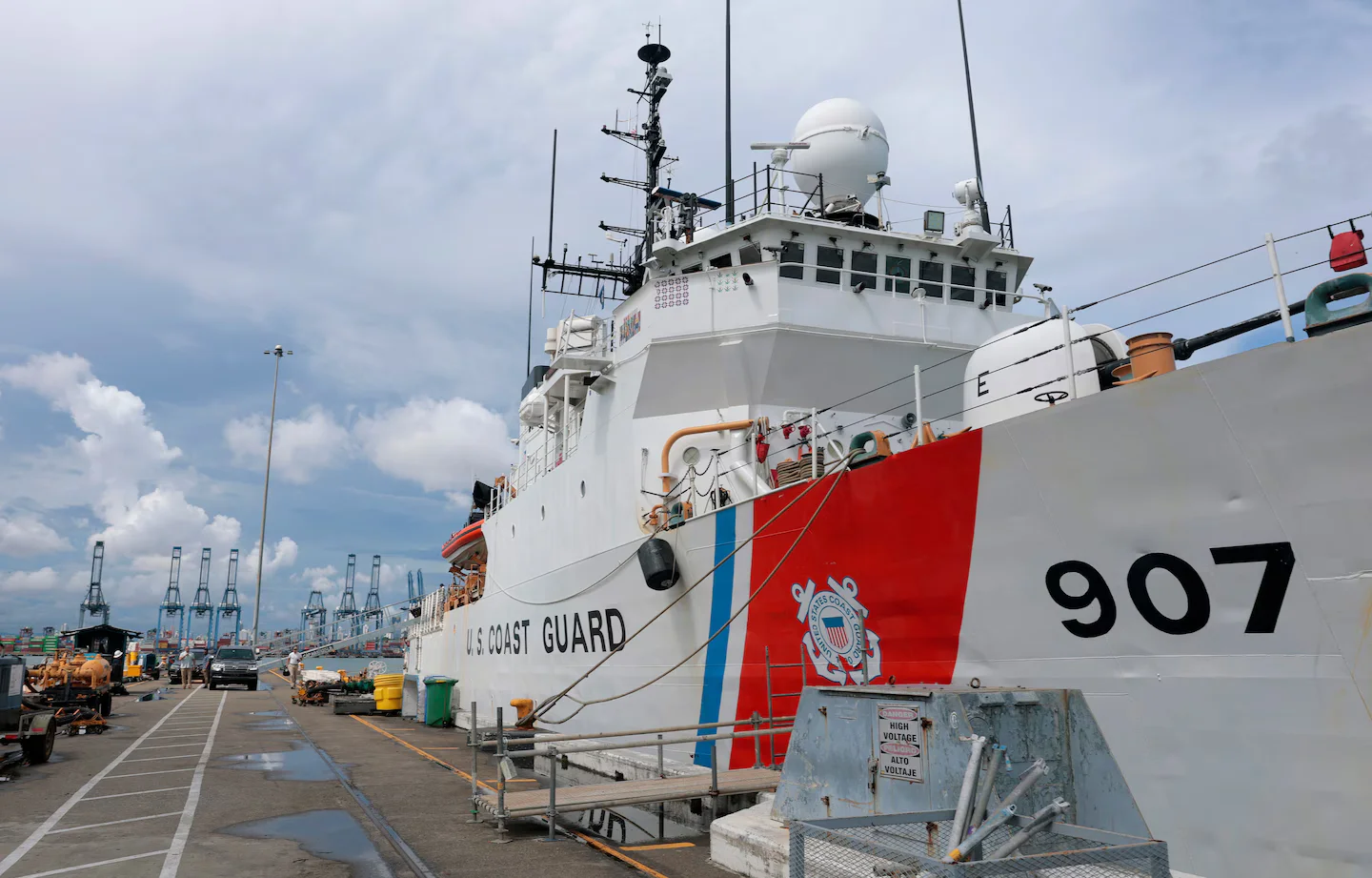
The U.S. Coast Guard intercepted an oil tanker leaving Venezuela following President Trump's order to enforce a complete blockade on all sanctioned oil tankers entering or leaving the country, as part of increased pressure on Nicolás Maduro's government.
Venezuelans are preparing for potential economic and social upheaval as President Trump threatens a naval blockade of Venezuelan oil exports, reviving fears of recession and shortages amid ongoing political tensions. Despite the threats, many Venezuelans continue their daily routines, while some consider emigration due to the uncertain future.
President Trump announced a partial blockade on Venezuelan oil tankers and claimed the U.S. aims to reclaim land and assets from Venezuela, escalating tensions and prompting regional calls for restraint amid U.S. military and economic pressure on Maduro's government.
The US has at least 12 sanctioned Venezuelan oil tankers at sea, with President Trump promising a complete blockade of such vessels, though oil prices have not significantly risen. The US is targeting Venezuelan oil exports, mainly affecting China and Cuba, while authorized vessels like Chevron's continue to operate. The situation involves complex maritime activities, including vessel spoofing and cargo transfers.