
US Blockade Chokes Iran's Economy While Shadow Fleet Tests Sanctions
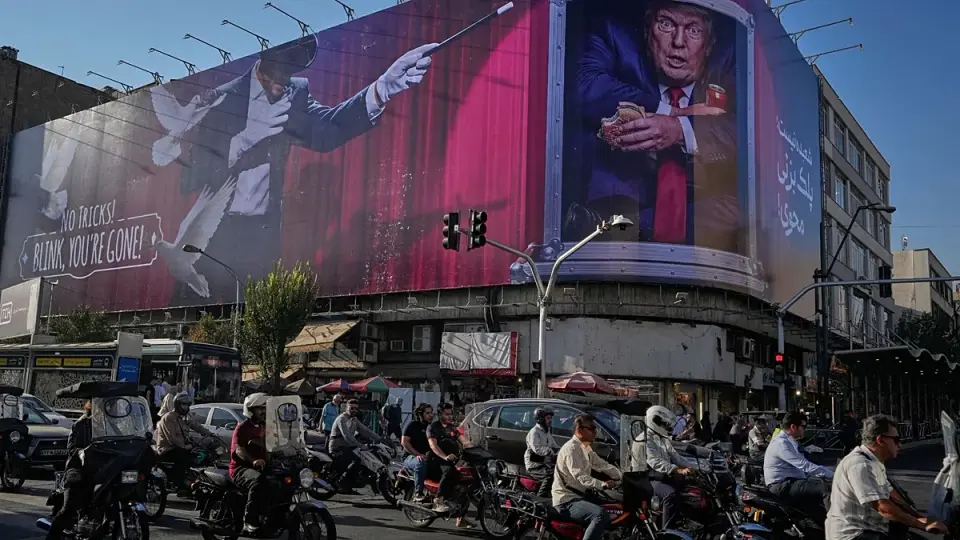
The reinstated US naval blockade off Iran’s southern coast has crippled daily life and trade, causing inflation to spike and supply chains to collapse. While Washington intensifies economic pressure through 'Operation Economic Outcast,' Tehran maintains military control of the Strait of Hormuz and relies on shadow fleets to move oil already outside the blockade zone.
Key points
- The blockade, resumed in mid-July after a brief pause, has disrupted over 80% of Iran’s heavy imports and non-oil exports, with freight rates tripling and cargo shipments frequently stranded for months.
- Iranian citizens report severe economic hardship, including a 128% surge in food inflation and shortages of basic goods like meat and medical supplies, leading to widespread household austerity and business closures.
- US Treasury Secretary Scott Bessent launched 'Operation Economic Outcast' to enforce a 'zero-leakage' policy, targeting financial channels and shadow fleet tankers that allow Iran to monetize oil stored outside the blockade zone.
- Iranian Parliament Speaker Mohammad Bagher Ghalibaf warned that Tehran will respond militarily to any US attempts to reopen the Strait of Hormuz via a southern corridor, asserting full control over the waterway.
- China’s imports of Iranian crude have dropped significantly, but approximately 40 million barrels of oil remain on tankers near Malaysia, posing a challenge for US efforts to fully isolate Iran’s revenue streams.
Background
This escalation follows a series of military conflicts and a provisional accord in June 2026. The US had previously shifted from airstrikes to economic pressure, aiming to force Tehran into negotiations by strangling its oil revenue and financial connections.
How outlets are covering it
Euronews highlights the devastating impact on ordinary Iranians, citing interviews with workers and business owners who describe a collapse in livelihoods and rising costs. Fox News and CNBC focus on the strategic effectiveness of the blockade, noting sharp declines in Iranian oil exports and the US pivot to financial isolation. Middle East Eye emphasizes Iran’s defiant stance, with officials warning of military retaliation against US attempts to control the Strait of Hormuz.
Why it matters
The blockade’s success in cutting off Iran’s revenue could force a political shift in Tehran, but the reliance on shadow fleets and military threats from Iran suggest a prolonged and volatile standoff with significant regional and global economic implications.
What to watch
Watch for further US actions against shadow fleet tankers near Malaysia and any Iranian military response to the southern corridor in the Strait of Hormuz, which could escalate tensions and disrupt global oil supplies.
- Exclusive: How the US naval blockade is paralysing daily life in Iran Euronews.com
- Millions of barrels of Iranian oil sit beyond Trump blockade as he vows ‘zero leakage’ Fox News
- U.S. Navy blockade slashes Iran oil exports as Trump administration shifts to economic warfare CNBC
- Iran warn military response if US naval blockade intensifies Middle East Eye
- Oily rags result in fire that destroyed city structure Fredericksburg.com
Want the full story? Read the original reporting
Read on Euronews.com