
Lebanon Peace Framework Stalls as Israel Conditions Withdrawal on Hezbollah Disarmament
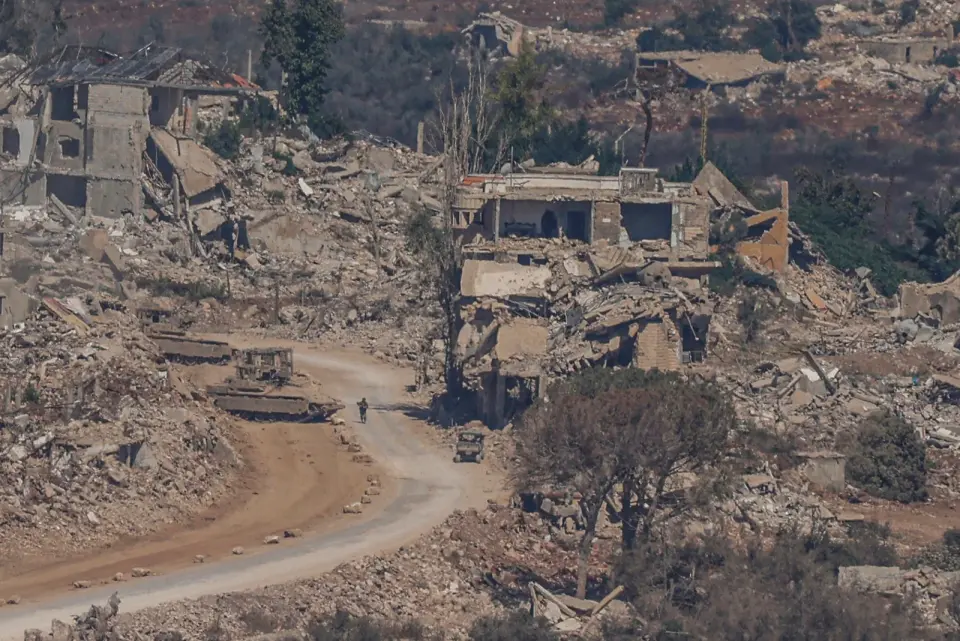
The US-mediated peace agreement between Lebanon and Israel is facing a critical impasse. Israel is withholding further troop withdrawals from southern Lebanon until the Lebanese Armed Forces (LAF) demonstrate full control over previously occupied zones and Hezbollah is fully disarmed. Lebanon argues this sequencing is impossible, as the LAF cannot deploy into areas still occupied by Israeli forces. Recent military operations, including the destruction of the Ali Taher Ridge tunnel complex, have intensified violence and undermined the transition process.
Key points
- US-mediated talks in Rome ended without agreement on expanding 'pilot zones' for Israeli withdrawal and LAF deployment.
- Israel demands proof of LAF control and Hezbollah disarmament before relinquishing additional territory; Lebanon argues it cannot control territory Israel still occupies.
- The IDF destroyed the Ali Taher Ridge underground complex using over 1,000 tonnes of explosives, causing a magnitude 4.1 seismic event.
- UNIFIL recorded 113 Israeli projectiles in a single day, the highest level since June 21, following the death of two Israeli soldiers.
- President Joseph Aoun’s July visit to Washington secured US backing for the LAF, but this support is now being tested by the stalemate.
Background
The current crisis follows a broader conflict that began in March 2026 when Hezbollah launched rockets at Israel in retaliation for a US-Israeli strike on Iran. A ceasefire was reached in June, leading to the current framework where Hezbollah is expected to disarm and Israel to withdraw gradually. Previous coverage highlighted internal divisions in Iran over how to respond to the Ali Taher strike, with hardliners pushing for escalation to restore deterrence.
How outlets are covering it
Just Security argues that the current sequencing creates a self-reinforcing trap: Israel uses Hezbollah’s weapons to justify occupation, while Hezbollah uses Israeli occupation to justify its arsenal. It emphasizes that full Israeli withdrawal is a prerequisite for credible disarmament. The Jerusalem Post and BBC focus on the military success of the Ali Taher Ridge operation, describing it as a major tactical setback for Hezbollah and Iran. The Jerusalem Post highlights the complexity of the battle and the destruction of Iranian-built infrastructure, while the BBC notes the seismic impact and lack of immediate response from Hezbollah or the Lebanese government. Just Security criticizes the lack of reciprocity, whereas the Israeli sources frame the continued presence as a necessary security measure.
Why it matters
The failure to resolve the sequencing dispute risks validating Hezbollah’s narrative that armed resistance is necessary for Lebanese security. If the Lebanese state cannot demonstrate that it can replace Hezbollah’s protective functions without Israeli withdrawal, the peace agreement may collapse, leading to renewed instability and potentially broader regional conflict involving Iran.
What to watch
The US is expected to exert pressure to keep Israeli withdrawal moving, as promised during President Aoun’s Washington visit. Lebanon must continue efforts to strengthen state institutions and provide reconstruction to gain public support for disarmament. Israel may continue to condition further withdrawals on domestic security outcomes, potentially prolonging the occupation of southern Lebanon.
- Don’t Let Lebanon’s Peace Agreement Prove Hezbollah Right Just Security
- Israel accuses Lebanon army chief of Hezbollah ties as talks stall The Arab Weekly
- How did the IDF capture the Ali Taher Ridge in southern Lebanon? The Jerusalem Post
- How Israeli commandos hunted Hezbollah underground for 3 months before blowing up Ali Taher Ridge Ynetnews
- Israel says it has destroyed major underground Hezbollah base bbc.com
Want the full story? Read the original reporting
Read on Just Security