
China Accuses Japan of Neo-Militarism as PM Takaichi Softens Nuclear Stance
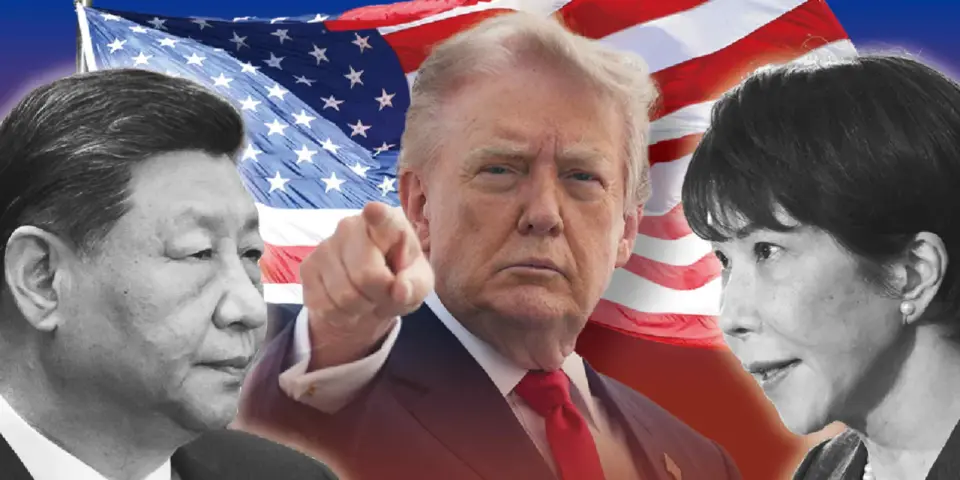
China is intensifying diplomatic and security pressure on Japan, framing Tokyo’s defense modernization as a threat to regional peace. Simultaneously, Japanese Prime Minister Sanae Takaichi has adopted ambiguous language regarding Japan’s non-nuclear principles, drawing criticism from opposition lawmakers and Russian officials. These developments occur against a backdrop of heightened tensions, including disputes over diplomatic engagements and military capabilities.
Key points
- Chinese defense spokesperson Chen Xi labeled Japan’s military buildup as 'remilitarization' and a threat to regional stability, citing live-fire tests of Tomahawk cruise missiles.
- Prime Minister Sanae Takaichi used ambiguous wording at the Nagasaki Peace Ceremony, stating Japan is 'upholding' rather than pledging to maintain the Three Non-Nuclear Principles.
- Nagasaki Mayor Shiro Suzuki condemned nuclear weapons as 'absolute evil' and urged the government to uphold the pacifist constitution and non-nuclear stance.
- Russian Ambassador Nikolay Nozdrev warned that abandoning non-nuclear status would breach the Nuclear Non-Proliferation Treaty and trigger regional countermeasures.
- China’s criticism follows earlier disputes over diplomatic engagements in Manila and ongoing tensions regarding Japan’s defense modernization and Taiwan contingency planning.
Background
Recent months have seen escalating friction between Beijing and Tokyo, including conflicting accounts of ministerial participation in ASEAN meetings and US-Japan currency interventions aimed at stabilizing the yen. Japan has also accelerated defense modernization, including testing US-supplied missiles and publishing a Defense White Paper that frames China as a primary security challenge.
How outlets are covering it
Nikkei Asia frames China’s actions as indirect pressure on Washington through its relationship with Japan. CGTN and CCTV emphasize Japan’s 'remilitarization' and nuclear ambiguity as threats to regional peace, reflecting Beijing’s official stance. Kyodo News provides factual reporting on the Nagasaki ceremony and Takaichi’s ambiguous remarks, highlighting domestic opposition criticism. The sources diverge on intent: Chinese outlets view Japan’s moves as aggressive neo-militarism, while Japanese sources focus on the procedural and diplomatic nuances of the non-nuclear debate.
Why it matters
The interplay between China’s security rhetoric and Japan’s evolving nuclear and defense policies signals a shift in the Indo-Pacific security architecture. Ambiguity in Japan’s non-nuclear stance could alter regional deterrence dynamics, while China’s aggressive framing may escalate tensions with both Tokyo and Washington.
What to watch
Japan is expected to revise its three key security documents later in 2026, potentially addressing the non-introduction of nuclear weapons. Regional reactions to Japan’s defense modernization and nuclear policy will likely intensify, with continued diplomatic friction between Beijing and Tokyo.
- How China's Japan-bashing is indirectly targeting Washington Nikkei Asia
- Japanese PM repeats ambiguous stance on non-nuclear principles as Nagasaki marks atomic bombing anniversary news.cgtn.com
- Kyodo News Digest: Aug. 10, 2026 Japan Wire by Kyodo News
- Japan's 'remilitarization' efforts a real threat to regional peace, Chinese defense spokesperson says CCTV.com English
- Beijing urges Tokyo to heed public calls on nuclear issue Asia News Network
Want the full story? Read the original reporting
Read on Nikkei Asia