
Danish intelligence warns of imminent Russian hybrid strikes on NATO infrastructure
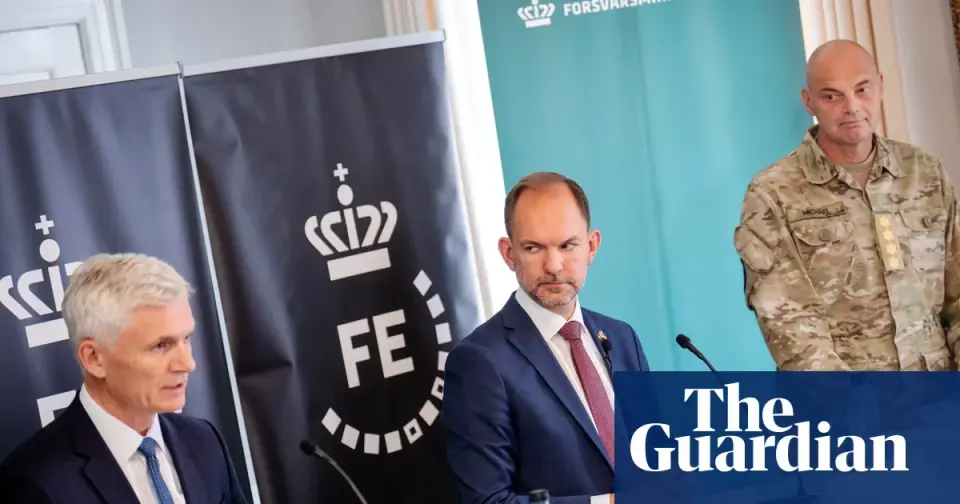
Danish intelligence warns Russia may launch limited military or hybrid attacks against NATO nations within months to disrupt support for Ukraine, coinciding with a sabotage fire at a Polish Starlink station.
Key points
- The Danish Defence Intelligence Service (FE) reported a 'low but growing risk' that Russia could conduct long-range strikes on infrastructure supporting Ukraine or a limited troop incursion into a neighboring country within the coming months.
- The warning followed a deliberate fire at a Starlink satellite station in central Poland, which deputy PM Krzysztof Gawkowski described as sabotage aligning with Russian doctrine, disrupting internet access for Ukrainian military units.
- FE chief Thomas Ahrenkiel stated that while an outright invasion is 'highly unlikely,' it cannot be ruled out, and that Moscow might use false-flag operations or claims of protecting Russian minorities to justify limited military actions.
- NATO Secretary General Mark Rutte asserted that the alliance is prepared to respond to hybrid threats, arguing that such incidents indicate Russian President Vladimir Putin is losing the war in Ukraine and attempting to divide Western unity.
- US Defense Secretary Pete Hegseth urged European allies to take the lead in conventional defense, proposing a 'NATO 3.0' framework as Washington reduces its direct military commitment to the continent.
Background
This escalation follows recent warnings from former NATO officials and the CIA that Russia may test Western resolve through limited attacks. In September, Poland’s foreign minister argued NATO could defeat Russia quickly, while earlier in the month, EU and NATO leaders pledged support for Ukraine after a suspected Russian drone attack on a German airport. These events highlight a growing pattern of hybrid warfare targeting European infrastructure linked to the Ukraine conflict.
How outlets are covering it
The Guardian and New York Post emphasize the immediacy of the threat, highlighting the FE report’s timeline and the specific incident in Poland. Euronews focuses on the diplomatic response, contrasting Rutte’s reassurance of NATO readiness with Hegseth’s push for European autonomy in defense. While the Guardian notes skepticism regarding US commitment under President Trump, Euronews highlights the US withdrawal of certain warships and aircraft, forcing Europe to address capability gaps. All sources agree that Russia is intensifying hybrid tactics, though they differ on whether this signals desperation or strategic calculation.
Why it matters
The potential for direct military or hybrid attacks on NATO territory threatens the alliance’s cohesion and the collective defense principle of Article 5. If Russia successfully disrupts infrastructure or creates divisions among members, it could undermine support for Ukraine and alter the strategic balance in Europe, forcing a rapid reassessment of defense commitments and resource allocation across the alliance.
What to watch
NATO members are expected to increase surveillance and defensive measures against hybrid threats, while European nations assess how to fill capability gaps left by reduced US support. Diplomatic efforts may intensify to maintain unity, and further incidents targeting infrastructure supporting Ukraine could trigger new sanctions or defensive responses from the alliance.
- Russia could attack a Nato country within months, Danish intelligence says The Guardian
- Russia preparing a limited strike on NATO to disrupt Ukraine support, intel report claims — and it could come soon New York Post
- As Russia Steps Up Shadow War, Europeans Waver on How to Respond The New York Times
- NATO steps up intelligence-sharing over Russia threat, top commander says reuters.com
- Rutte says Putin is in a 'bad place' as he reassures NATO allies amid threat reports Euronews.com
Want the full story? Read the original reporting
Read on The Guardian