
Lebanon strikes and Hormuz attacks mark deadliest days since ceasefire
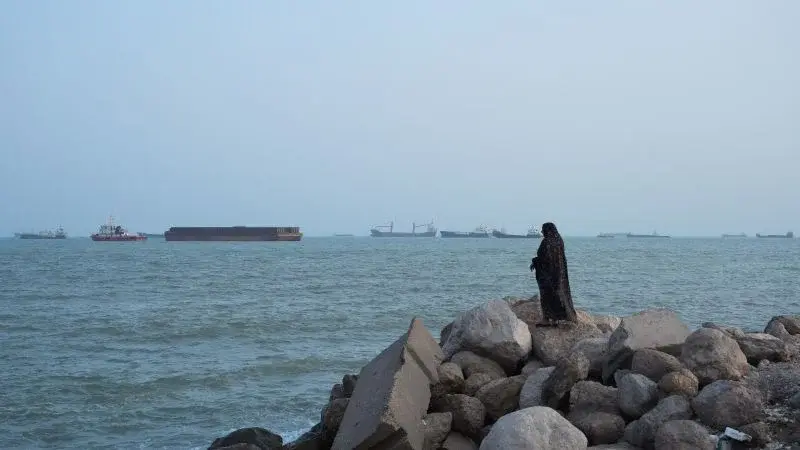
Violence escalated across the Middle East on Saturday, with Israel launching its deadliest strikes on Lebanon since the June truce and Iran attacking UAE-linked vessels in the Strait of Hormuz. At least nine people were killed in southern Lebanon, while three ADNOC ships were hit in 48 hours. US President Trump refused to apologize for the war, claiming higher gas prices are worth preventing Iranian nuclear weapons, while Iran’s foreign minister stated Tehran has not decided whether to resume negotiations.
Key points
- Israel launched airstrikes in southern Lebanon, killing at least nine people, the highest toll since the June ceasefire with Hezbollah.
- The UAE blamed Iran for attacking three vessels affiliated with ADNOC in the Strait of Hormuz within 48 hours, describing the acts as piracy.
- Iran’s Foreign Minister Abbas Araghchi stated that Tehran has not decided whether to resume negotiations with the US, despite Trump’s comments about low-keying talks.
- Trump declared he would never apologize for the war, arguing that higher gas prices are a necessary cost to prevent Iran from acquiring nuclear weapons.
- Shipping traffic in the Strait of Hormuz remains at 17% of pre-war levels, with no genuinely safe route for commercial vessels in the region.
Background
The current escalation follows a tenuous truce agreed in late June between Israel and Hezbollah, backed by US President Trump. Previous archive reports from August 2026 indicated that Iran set conditions for reopening the Strait of Hormuz, including the lifting of US sanctions and naval blockades. Earlier in July, a tanker was seized off Yemen, highlighting the volatility of shipping lanes. The US-Iran war began in February 2026, leading to a significant decline in maritime traffic and ongoing diplomatic tensions.
How outlets are covering it
CNN and Fox News both reported on the UAE’s condemnation of the attacks on ADNOC vessels, but Fox News emphasized the UAE’s description of the incidents as 'unprovoked' and cited UN Security Council Resolution 2817. CNN focused on the broader context of the US-Iran war, including Trump’s refusal to apologize and the status of negotiations. Both outlets reported on the Israeli strikes in Lebanon, with CNN providing a detailed timeline of post-ceasefire violations, while Fox News highlighted CENTCOM’s denial of reports regarding poor conditions aboard the USS Abraham Lincoln. The UAE’s Foreign Ministry and Iranian officials presented conflicting narratives, with Abu Dhabi accusing Iran of piracy and Tehran asserting that the strait cannot be seized by US threats.
Why it matters
The escalation in Lebanon and the attacks on shipping in the Strait of Hormuz threaten to reignite broader regional conflict, potentially disrupting global energy supplies and increasing oil prices. The lack of progress in US-Iran negotiations and the continued military operations by Israel and Iran-backed groups indicate that the ceasefire remains fragile. The situation also raises concerns about the long-term deployment of US naval assets, such as the USS Abraham Lincoln, and the potential for further humanitarian crises in affected regions.
What to watch
Analysts expect continued monitoring of the Strait of Hormuz for further attacks on commercial vessels. Diplomatic efforts may resume if mediators like Qatar and Pakistan facilitate talks, but Iran’s stance on negotiations remains uncertain. The US may increase its naval presence in the region to protect shipping lanes, while Israel and Hezbollah may exchange further strikes if the ceasefire is not upheld. The impact on global oil markets and gas prices will likely remain a focal point for policymakers and consumers.
- Live updates: US-Iran war; Trump says he ‘did the right thing’ and would ‘never apologize’ CNN
- Iran targets tankers in ‘unprovoked attacks’ in Strait of Hormuz, UAE says Fox News
- Hormuz Ship Attacks Mount as US Vows to Cripple Iran’s Economy Bloomberg.com
- UAE says ADNOC vessel attacked in Hormuz, vows to defend navigation rights Reuters
- After another vessel was attacked in Hormuz, presidential adviser vows UAE will defend its navigation rights The Times of Israel
Want the full story? Read the original reporting
Read on CNN