
Diplomacy stalls as Gaza strikes and Gulf ship attacks escalate tensions
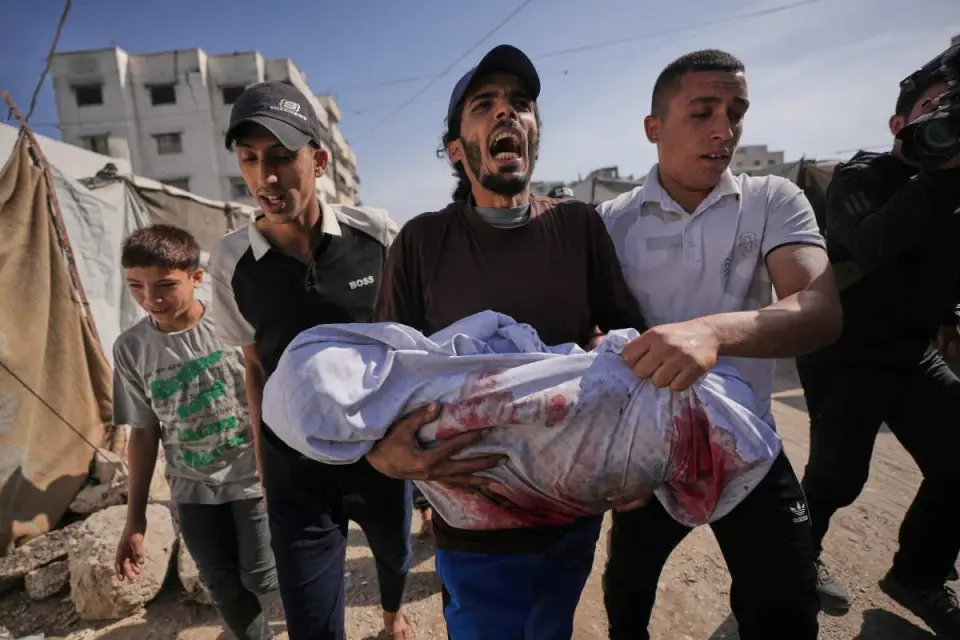
Diplomatic efforts to avert a renewed war between the US and Iran are facing significant hurdles, with Tehran demanding sanctions relief before addressing nuclear issues. Simultaneously, Israeli strikes in Gaza killed eight people, including a child, despite an ongoing ceasefire. In the Persian Gulf, a Qatari LNG vessel was struck, and Iran claimed two tankers hit mines in the Strait of Hormuz, heightening regional instability.
Key points
- Iranian Foreign Minister Abbas Araghchi stated that Tehran is ready for diplomacy but requires 'rationality' from Washington, with negotiations currently taking place in Doha and Tehran.
- Israeli airstrikes in Gaza killed eight people, including a four-year-old boy, bringing the death toll since the October 2025 ceasefire to over 1,570.
- Qatar’s Nakilat reported that its LNG carrier, the Al Mayeda, was struck by unidentified objects in the Persian Gulf, with no crew injuries reported.
- The Islamic Revolutionary Guard Corps claimed two tankers hit naval mines in the Strait of Hormuz, alleging they used unauthorized routes.
- US President Donald Trump spoke with Israeli PM Benjamin Netanyahu, discussing Iran, while Trump expressed skepticism about Iran's reliability in negotiations.
Background
The current diplomatic standoff follows an eight-month conflict that ended with a ceasefire in October 2025. Despite the truce, near-daily Israeli strikes have continued in Gaza, resulting in over 1,570 deaths since the ceasefire began. The broader regional tension is exacerbated by Iran's threats to retaliate against Gulf energy infrastructure if the US strikes its facilities, and by ongoing conflicts in Yemen involving Houthi rebels and Saudi-led forces.
How outlets are covering it
AP News and Al Jazeera emphasize the ongoing diplomatic efforts in Doha and Tehran, with Araghchi calling the US dialogue a 'positive step.' Axios highlights internal US divisions, noting that Defense Secretary Pete Hegseth and Secretary of State Marco Rubio are skeptical of a deal, while VP JD Vance and envoys Steve Witkoff and Jared Kushner favor negotiations. The Jerusalem Post points to 'significant gaps' remaining, particularly over nuclear concessions, with Iran demanding unfreezing of assets and the US insisting on nuclear inspections. All sources agree that the risk of renewed war is high, with Trump's potential decision influenced by the upcoming US midterm elections.
Why it matters
The failure to reach a diplomatic resolution could lead to a massive military confrontation involving the US, Israel, and Iran, with potential retaliation against Gulf energy infrastructure. This would exacerbate the global energy crisis and destabilize the region. Additionally, continued strikes in Gaza and attacks on shipping in the Persian Gulf threaten to undermine the fragile ceasefire and international trade routes.
What to watch
Negotiations are expected to continue in Doha, with Iran waiting for a US response to its proposal to reopen the Strait of Hormuz. The outcome may depend on the US midterm election results, with some officials suggesting Trump might be more inclined to order a military operation if Republicans lose badly. Monitoring the status of the Al Mayeda and any further incidents in the Strait of Hormuz will be critical in assessing the risk of escalation.
- Iran’s top diplomat hopes US shows ‘rationality,’ and other Mideast news AP News
- Iran war live: US response awaited on new proposal to reopen Hormuz: Tehran Al Jazeera
- Iran, Qatari mediators hold third day of talks to end US-Iran war Reuters
- Qataris hold marathon talks in Tehran in bid for U.S.-Iran deal before midterms Axios
- US-Iran talks progress, but nuclear disputes remain The Jerusalem Post
Want the full story? Read the original reporting
Read on AP News