
Diplomatic Push Intensifies as US Midterms Loom Amid Iran War Stalemate
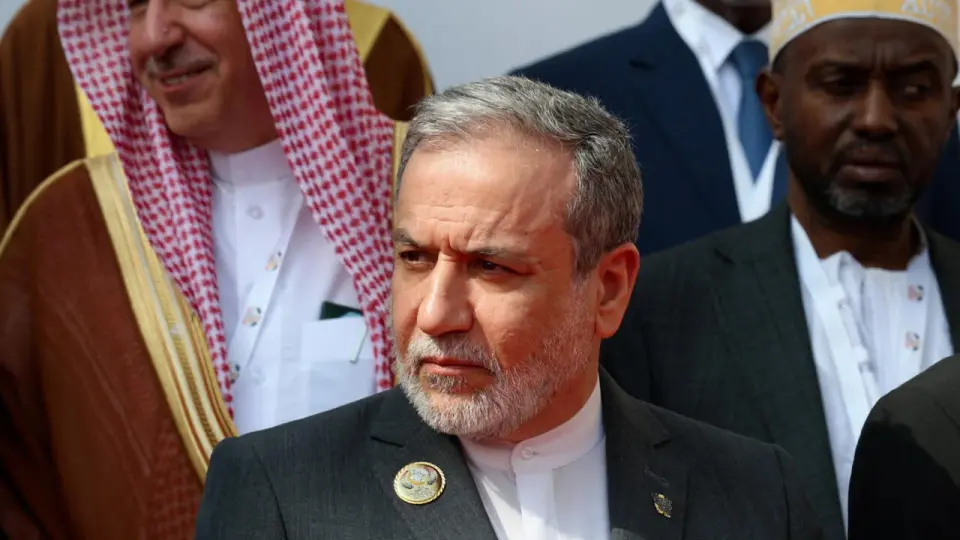
US President Donald Trump signaled potential progress in indirect talks with Iran to end the eight-month conflict, stating a deal 'could happen' before Tuesday's midterm elections. While Vice President JD Vance expressed optimism, Tehran insists on strict preconditions, including the lifting of US sanctions and naval blockades, before reopening the Strait of Hormuz. Oil prices dropped over six percent on Monday as markets reacted to diplomatic signals, though military tensions persist with reports of explosions in Iran and threats of further strikes if negotiations fail.
Key points
- Trump stated on Truth Social that Iran wants a settlement 'as soon as possible,' while VP Vance confirmed 'progress' in indirect talks mediated by Qatar and Pakistan.
- Iran’s Foreign Ministry stated it could reopen the Strait of Hormuz within two days if Washington meets its demands, which include ending the war, unfreezing assets, and lifting oil sanctions.
- Oil prices fell more than six percent on Monday following diplomatic signals, reversing gains from the eight-month-old conflict and Iran’s blockade of the energy corridor.
- Trump warned that the US may launch another attack on Iran after the midterms if no deal is reached, while Iranian officials warned of a 'powerful, immediate' response to any aggression.
- China and Russia engaged in diplomatic efforts, with Beijing urging a peaceful resolution and Moscow discussing the conflict with Iran’s security chief.
Background
This diplomatic push follows a series of failed negotiations in September, where Trump rejected Iran’s seven-day proposal to reopen the Strait of Hormuz. Previous archive coverage noted that while mediators from Qatar and Oman continued shuttling between sides, deep mistrust and conflicting demands over nuclear concessions and sanctions remained unresolved. The current talks occur against the backdrop of an eight-month war that began in February, which has significantly impacted global energy markets and regional stability.
How outlets are covering it
France 24 emphasizes the diplomatic momentum, highlighting Trump’s optimism and Iran’s conditional willingness to reopen the Strait of Hormuz. Al Jazeera focuses on the ongoing 'intensive' exchanges via mediators and the risk of renewed military action, noting that both sides are demanding their proposals be accepted. CNN highlights the anxiety in the Middle East, noting that while diplomacy is ongoing, the lack of clarity from Washington and Iran’s warnings of a 'war of surprises' have created a tense atmosphere, particularly ahead of the US midterms. All sources agree that the conflict remains unresolved, but differ on the likelihood of a breakthrough before the elections.
Why it matters
The outcome of these talks could determine whether the eight-month conflict escalates further or moves toward a ceasefire. A failure to reach a deal before the US midterms could lead to renewed strikes, impacting global oil prices and regional stability. The diplomatic efforts also reflect the broader geopolitical dynamics involving China, Russia, and Gulf states, all of whom are seeking to de-escalate tensions to protect their economic interests.
What to watch
Watch for the outcome of the US midterm elections on Tuesday, which may influence Trump’s willingness to pursue diplomacy or military action. Monitor the response from Iran to the US letter sent by VP Vance and any further moves by Qatari and Pakistani mediators. Oil prices and military movements in the Strait of Hormuz will be key indicators of whether a deal is imminent or if the conflict is set to resume.
- Trump says deal with Tehran 'could happen' amid 'intensive' talks France 24
- Iran war live: Tehran says ‘intensive’ US talks ongoing, war still on table Al Jazeera
- Middle East on edge as fears mount that war in Iran could restart after the midterms KCCI
- Iran Says It Would Reopen Strait of Hormuz in 2 Days as Part of U.S. Deal The New York Times
- Iran's delegation has left negotiations in Qatar after a tense weekend. Here's where things stand PBS
Want the full story? Read the original reporting
Read on France 24