
Egypt authorizes military support for Saudi Arabia amid Houthi strikes
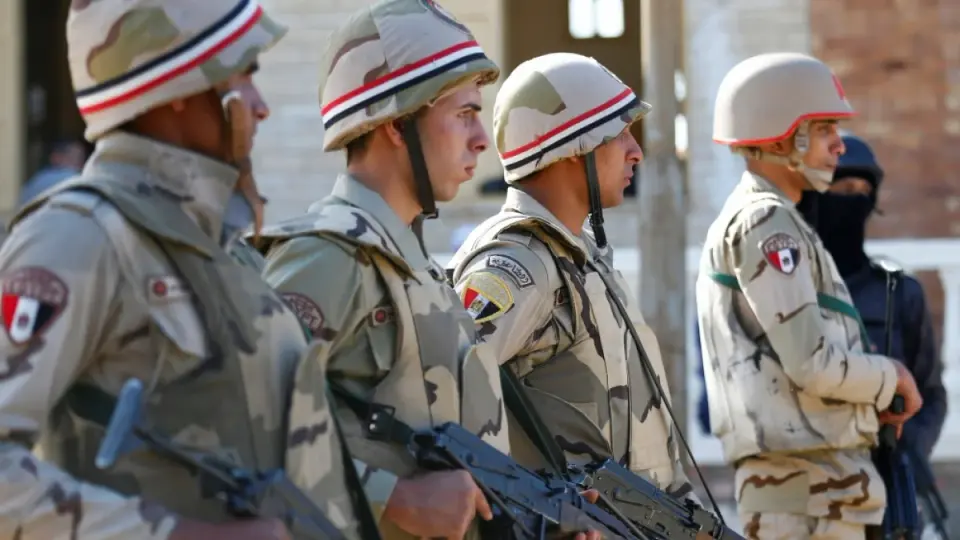
Egypt’s parliament has authorized President Abdel Fattah el-Sisi to provide military support to Saudi Arabia in response to escalating Houthi attacks. The vote, which required a two-thirds majority, allows Cairo to assist Riyadh if requested but explicitly excludes offensive strikes against Yemen. This decision follows recent Houthi drone and missile attacks on Saudi oil infrastructure and airports, which have disrupted regional shipping and oil exports. While Egypt emphasizes a defensive posture, the move signals a potential shift in its regional role, especially given its previous involvement in the 2015 Saudi-led coalition in Yemen. The authorization comes amid broader diplomatic efforts, including meetings between Egyptian and Saudi officials, to manage the crisis through diplomacy rather than direct military confrontation.
Key points
- Egypt’s House of Representatives approved a mandate allowing President el-Sisi to provide military support to Saudi Arabia if requested.
- The authorization requires a two-thirds majority under Egypt’s constitution and was delayed until October 26 due to opposition concerns.
- Houthi forces announced drone and missile attacks on Saudi oil pumping stations and Riyadh’s King Khalid International Airport.
- Egyptian officials, including Foreign Minister Badr Abdelatty, emphasized that any military action would be limited to defending Saudi territory and borders, not attacking Yemen.
- The Saudi-led coalition reported intercepting three drones in Riyadh and southern regions, though origins were not specified.
- Egypt’s Senate Speaker announced support from Yemen’s Shura Council for Egypt’s defensive role, highlighting regional cooperation.
Background
Egypt previously joined the Saudi-led coalition in Yemen in 2015, contributing naval forces and limited ground troops to secure Red Sea shipping routes. Since then, Cairo has avoided large-scale foreign deployments, with the last being in the 1991 Gulf War. Recent Houthi attacks have intensified, prompting Saudi Arabia to seek military aid from the US, UK, and now Egypt. The Mecca Joint Defence Agreement, signed by Saudi Arabia, Turkey, and Pakistan in August 2026, has also been activated to counter Houthi threats, though Egypt has not joined this pact.
How outlets are covering it
Al Jazeera emphasizes Egypt’s cautious approach, noting that while the parliament authorized support, Cairo has ruled out strikes on Yemen and favored diplomacy. Palestine Chronicle highlights the Houthi attacks on Saudi oil infrastructure and airports, framing Egypt’s move as a response to these provocations. Yemen Online focuses on the diplomatic dimension, reporting that Yemen’s Shura Council supported Egypt’s defensive role, underscoring regional cooperation. The outlets differ in emphasis: Al Jazeera and Yemen Online stress diplomacy and defensive limits, while Palestine Chronicle focuses on the military escalation and economic impact of Houthi attacks.
Why it matters
Egypt’s authorization signals a potential shift in its regional military posture, especially given its historical reluctance to engage in foreign conflicts. The move could influence the balance of power in the Red Sea and Gulf, affecting global shipping and oil exports. It also highlights the growing diplomatic efforts to manage the Houthi-Saudi conflict without direct military confrontation, though the risk of escalation remains. For Egypt, the decision balances its economic ties with Saudi Arabia against the risks of deeper involvement in Yemen’s conflict.
What to watch
Egypt may provide defensive military support to Saudi Arabia if requested, but the specifics remain unclear. Diplomatic efforts, including meetings between Egyptian and Saudi officials, will continue to manage the crisis. The Houthi group may escalate attacks, potentially prompting further military responses. The Mecca Joint Defence Agreement and other regional alliances may play a larger role in shaping the conflict’s trajectory. Egypt’s stance could influence other Arab states’ decisions on military involvement, while diplomatic channels remain critical to preventing a broader regional war.
- Egyptian parliament authorises military aid for Saudi Arabia Al Jazeera
- Egypt Parliament Backs El-Sisi’s Offer to Defend Saudi Arabia Bloomberg.com
- Ansarallah Takes Aim at Saudi Oil Network as Cairo Approves Military Support Palestine Chronicle
- Yemen Backs Egypt’s Move to Reinforce Saudi Defenses, Senate Speaker Says Yemen Online
- Egypt’s parliament authorizes military support for Saudi Arabia to defend against Houthi attacks KLFY.com
Want the full story? Read the original reporting
Read on Al Jazeera