
Saudi Arabia, Turkey, and Pakistan formalize tripartite defense pact amid Iran conflict
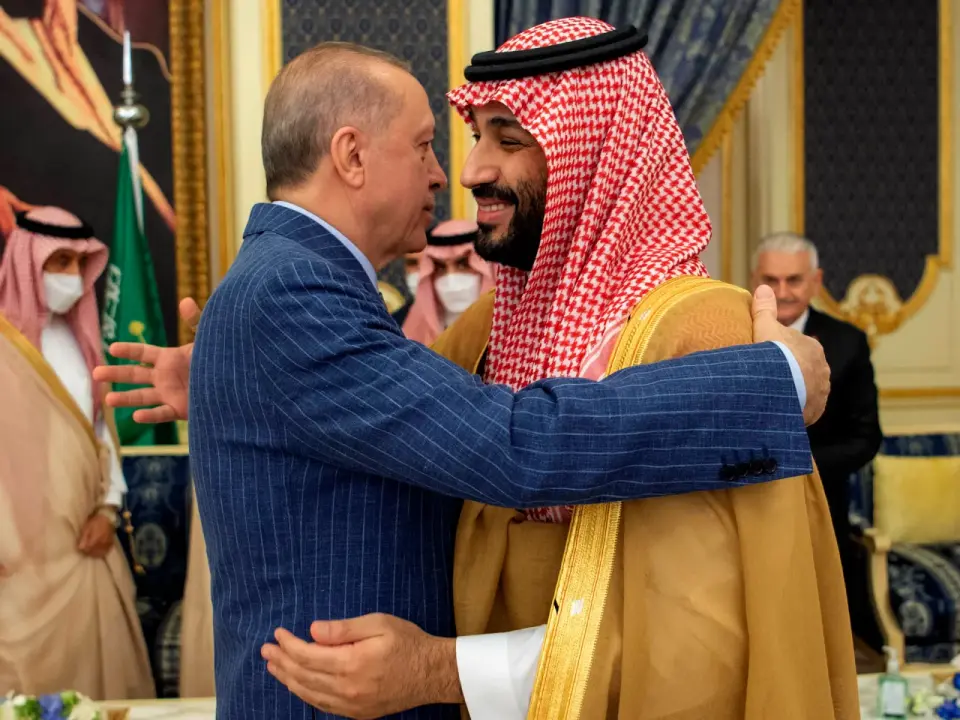
Saudi Arabia, Turkey, and Pakistan signed a joint defense agreement in Mecca, stipulating that an attack on one nation constitutes an attack on all three. The pact, signed by Crown Prince Mohammed bin Salman, President Recep Tayyip Erdogan, and Prime Minister Shehbaz Sharif, expands a previous bilateral Saudi-Pakistani treaty. The move aims to bolster collective deterrence against Iranian-backed threats and regional instability, including Houthi attacks in the Red Sea.
Key points
- The 'Mecca Joint Defence Agreement' was signed by Saudi Arabia, Turkey, and Pakistan, extending a prior 2025 Saudi-Pakistani pact to include Ankara.
- The agreement mandates that an armed attack against any one signatory is treated as an attack against all three, enhancing collective deterrence.
- The pact includes provisions for joint military exercises, technology transfers, and intelligence sharing, according to Turkish media reports.
- The signing occurred during a trilateral meeting in Saudi Arabia, with Pakistan’s delegation including Army Chief Field Marshal Asim Munir.
- The alliance is framed as a response to the US-Israel war on Iran, which has led to missile and drone strikes on Gulf states and shipping disruptions in the Strait of Hormuz.
Background
This development follows months of escalating regional tensions. In July 2026, Saudi Arabia joined US strikes against Iranian proxy forces in Iraq, marking Riyadh’s direct entry into the US-Iran confrontation. Concurrently, Houthi rebels in Yemen intensified attacks on Saudi infrastructure and Red Sea shipping, prompting Riyadh to form a new naval coalition. Turkey’s role in regional security has grown, highlighted by its status as NATO’s second-largest military force and its expanding defense industry, as noted in our July 2026 coverage of Trump’s NATO visit.
How outlets are covering it
Al Jazeera initially described the visit as a 'routine' working trip, noting that Ankara was tight-lipped about specifics, though regional media reported talks on maritime security and defense cooperation. BBC and NDTV confirmed the signing of the formal 'Mecca Joint Defence Agreement,' emphasizing the strategic combination of Saudi financial power, Turkish military capacity, and Pakistani nuclear deterrence. The Jerusalem Post highlighted the broader context of Iranian missile strikes on Gulf oil exporters and the US struggle to contain regional repercussions, noting that Iran’s foreign minister praised military readiness shortly after the pact was signed. While Al Jazeera questioned if the pact would be formalized, other outlets confirmed the agreement’s signing, with NDTV detailing the 'attack on one, attack on all' clause.
Why it matters
The tripartite defense pact signals a shift in regional security architecture, as Gulf and Middle Eastern states seek to diversify defense partnerships beyond the US amid the ongoing Iran conflict. The alliance strengthens collective deterrence against Iranian-backed proxies and Houthi attacks, potentially altering the balance of power in the Red Sea and Gulf of Aden. For Turkey, the pact reinforces its strategic autonomy and defense industry growth, while for Saudi Arabia and Pakistan, it provides a formalized security umbrella against escalating threats from Iran and its allies.
What to watch
Analysts expect the pact to lead to joint military exercises and intelligence sharing, as reported by Turkish media. The agreement may also influence ongoing ceasefire negotiations in the Iran conflict, with Pakistan continuing to act as a mediator. However, the long-term impact on US-alliance dynamics and regional stability remains uncertain, particularly as Iran retaliates against Gulf states and the US struggles to contain the conflict's repercussions.
- Turkiye’s Erdogan visits Saudi Arabia: What to expect Al Jazeera
- Turkey, Saudi Arabia, Pakistan to sign joint defence agreement in Saudi Arabia on Friday, sources say Reuters
- Saudi Arabia, Turkey and Pakistan sign defence agreement BBC
- Live Updates: Latest from Israel, Iran, and Middle East The Jerusalem Post
- Pakistan, Saudi Arabia and Turkey Sign Key Defence Agreement NDTV
Want the full story? Read the original reporting
Read on Al Jazeera