
Estonia formally blames Moscow for arson on drone maker Milrem Robotics
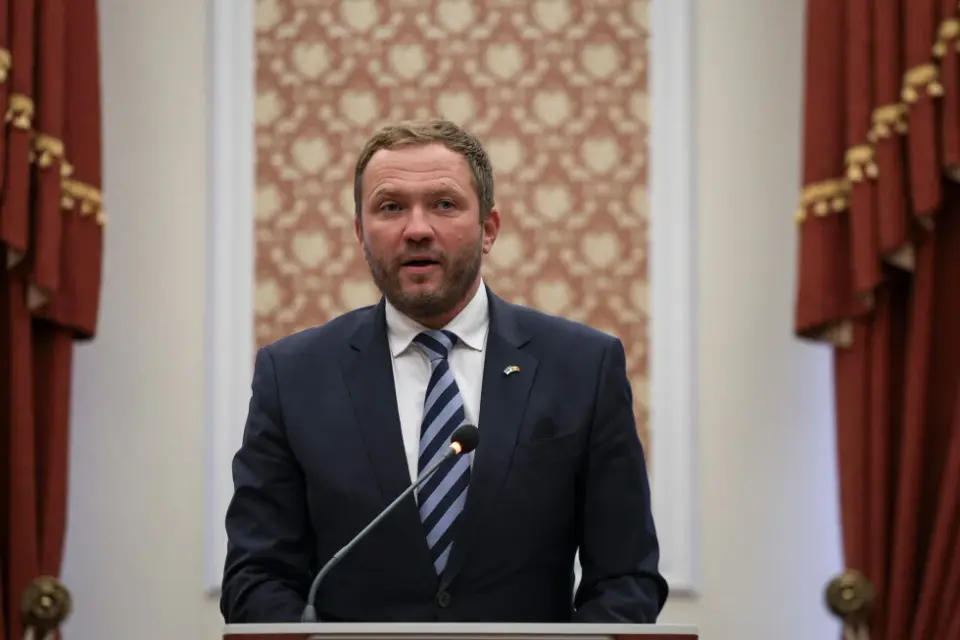
Estonian authorities have formally attributed an August arson attack on defense contractor Milrem Robotics to Russian security services. Foreign Minister Margus Tsahkna called the act 'absolutely unacceptable' and summoned Russia’s chargé d’affaires in Tallinn. The Kremlin dismissed the claims as unfounded, while NATO and EU leaders condemned the incident as part of a broader hybrid campaign to intimidate European allies and weaken support for Ukraine.
Key points
- A fire broke out on August 15 at a Tallinn building used by Milrem Robotics, which supplies THeMIS unmanned ground vehicles to Ukraine.
- Estonia’s Internal Security Service concluded the attack was a 'deliberate and pre-planned act commissioned by Russian security services.'
- Three suspects were detained in Latvia on August 17 and 18 and subsequently handed over to Estonian authorities.
- Foreign Minister Margus Tsahkna stated the attack is part of a broader Russian campaign to intimidate Europe and undermine support for Kyiv.
- Kremlin spokesperson Dmitry Peskov called the allegations 'unfounded' and 'ill-considered,' stating Moscow will not take them seriously.
Background
This incident follows a pattern of alleged Russian hybrid provocations across Europe since the full-scale invasion of Ukraine in 2022. AP has tracked approximately 200 incidents of suspected sabotage, including arson plots, drone incursions, and cyberattacks, across the continent. In September 2026, NATO Secretary General Mark Rutte and other European leaders reaffirmed their commitment to Ukraine despite these escalating threats. Earlier in 2026, Poland also blamed Russia for arson attacks on drone manufacturers supporting Kyiv, highlighting a regional trend of targeting defense infrastructure.
How outlets are covering it
AP and NBC News report the core facts of the attribution and the diplomatic response, including the summoning of the Russian envoy. The Guardian provides additional detail on the international reaction, noting that NATO Secretary General Mark Rutte described Russia’s actions as 'reckless' and that French President Emmanuel Macron called the attack a 'dangerous escalation.' The Independent’s coverage focuses on the broader context of Putin’s war effort and German assessments of Ukrainian vulnerabilities, offering less specific detail on the Estonian investigation but reinforcing the narrative of a coordinated Russian campaign. All sources agree on the Kremlin’s denial, with Peskov’s quotes being consistent across outlets.
Why it matters
The formal attribution by Estonia signals a potential escalation in the hybrid conflict between Russia and the West. By linking the arson to Russian security services, Tallinn seeks to galvanize international support and justify increased defense spending. The incident underscores the vulnerability of European defense infrastructure and the growing use of sabotage to deter support for Ukraine, potentially influencing NATO’s strategic posture and resource allocation in the Baltic region.
What to watch
Estonia is expected to intensify its security measures and diplomatic pressure on Russia, as stated by Prime Minister Kristen Michal. The case against the three suspects handed over from Latvia will likely proceed through Estonian courts. Western allies, including the EU and NATO, are expected to continue condemning the act and reinforcing their support for Ukraine, potentially leading to further sanctions or security measures against Russia. The incident may also prompt increased scrutiny of other defense facilities in Europe.
- Estonia blames Russia for arson attack on defense company that provides vehicles to Ukraine AP News
- Estonia blames Russia for arson attack on drone maker supplying Ukraine The Guardian
- Russia accused of sabotage by Estonia after arson at Ukraine supplier NBC News
- Estonia Says Russia Behind Arson Attack on Defense Firm Bloomberg
- Ukraine war latest: Nato member announces suspected Russian attack The Independent
Want the full story? Read the original reporting
Read on AP News