
EU Delists Russian Oligarchs Amid Latvian Backlash and Ukrainian Outcry
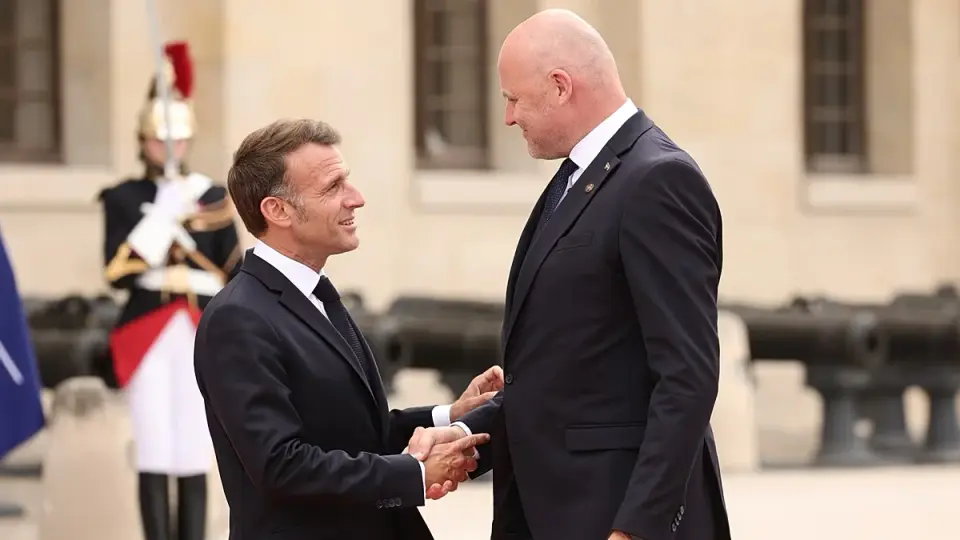
The European Union has removed sanctions on Russian-Uzbek billionaire Alisher Usmanov and Russian-Israeli businessman Mikhail Fridman, a move driven by France’s prisoner swap deal with Azerbaijan. Latvia initially vetoed the change but abstained to preserve the broader sanctions package, while Ukraine condemned the decision as a signal of weakness to Moscow.
Key points
- France pushed to delist Usmanov as part of a prisoner release agreement with Azerbaijan, citing national security concerns.
- Latvia opposed the move but ultimately abstained to avoid blocking the renewal of sanctions on approximately 2,600 other individuals and entities.
- Ukraine’s Foreign Minister Andriy Sybiha called the delisting 'unacceptable,' arguing it grants Moscow a sense of impunity and humiliates the EU.
- Latvia’s Prime Minister Andris Kulbergs warned that the action 'normalizes Russia' and announced that Latvia would impose its own national sanctions on the two men.
- The EU extended sanctions on the remaining 2,600 individuals for three years, shifting from a previous six-month renewal cycle.
Background
This development follows a series of recent EU actions to tighten restrictions on Russia, including a September 2026 expansion of sanctions targeting over 1,600 new individuals after a drone incident in Germany. It also contrasts with Latvia’s recent indefinite ban on Russian figure Alex Ovechkin, highlighting the Baltic state’s strict stance against Kremlin influence.
How outlets are covering it
Euronews and The Washington Post emphasize the diplomatic compromise that allowed the broader sanctions package to survive, noting Latvia’s eventual abstention. BBC highlights the intense anger in Kyiv, with Ukrainian officials demanding that EU members impose individual national sanctions to counter the delisting. All sources agree that France’s initiative was linked to a prisoner deal with Azerbaijan, but they differ in tone: Euronews focuses on the 'normalization' risk, while BBC underscores the political division within the EU.
Why it matters
The delisting of high-profile oligarchs undermines the EU’s unified front against Russia, potentially weakening the economic pressure that has been central to its foreign policy since 2022. It also exposes internal fractures in European solidarity, as smaller states like Latvia feel compelled to act unilaterally to maintain their stance against Moscow.
What to watch
Latvia is expected to implement its own national sanctions against Usmanov and Fridman. The EU will continue to monitor the broader sanctions package, which now has a three-year renewal cycle. Ukraine may seek further diplomatic avenues to counter the perceived signal of impunity sent to the Kremlin.
- Sanctions showdown leaves a bad taste as Latvia cautions against 'normalising' Russia euronews.com
- EU faces backlash after lifting sanctions on Russian billionaires Reuters
- Ukraine anger as EU removes Russian oligarchs from sanctions list BBC
- E.U. drops sanctions on two of Russia’s richest oligarchs despite Kyiv’s outcry The Washington Post
- EU drops sanctions for Russian oligarchs Usmanov and Fridman DW.com
Want the full story? Read the original reporting
Read on euronews.com