
Von der Leyen Proposes Unprecedented 'Associate Member' Status for Canada Amid US Trade War
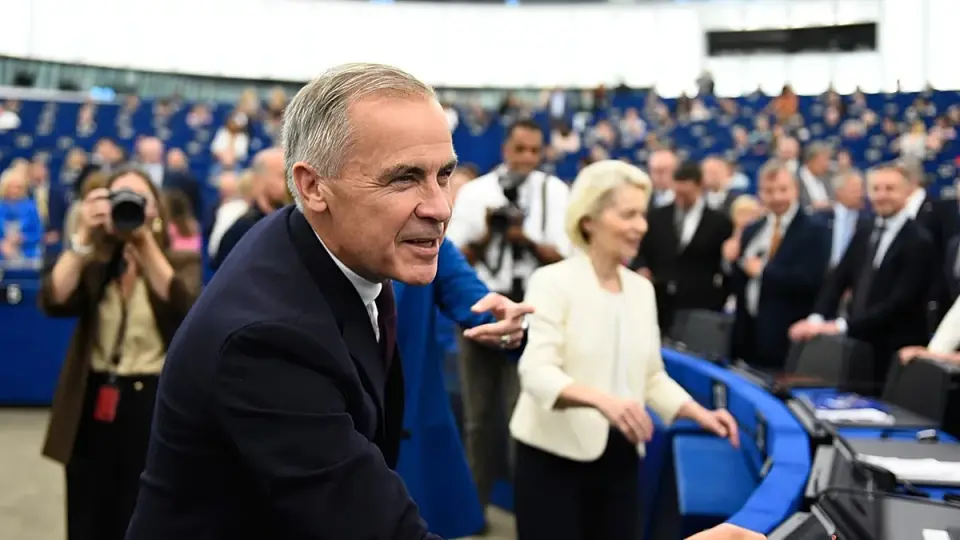
European Commission President Ursula von der Leyen invited Canada to become the first 'associate member' of the EU during her State of the Union address in Strasbourg. This unprecedented status aims to deepen cooperation in defense, technology, and energy without granting full membership or voting rights, driven by Canada's pivot away from the US amid ongoing trade tensions.
Key points
- Von der Leyen announced the invitation to Canadian Prime Minister Mark Carney, who attended the speech in the European Parliament.
- The proposed 'associate member' status is a new category, distinct from existing arrangements for Norway or Switzerland, though its specific legal implications remain undefined.
- The initiative seeks to upgrade the existing CETA trade agreement into a broader 'Alliance for the Future' covering AI, critical minerals, and Arctic security.
- A summit in Montreal in late October is scheduled to further develop these economic and security partnerships.
- The move is largely a response to US President Donald Trump's trade policies and rhetoric regarding Canada's sovereignty.
Background
Since late August 2026, Canada has actively pursued closer ties with the EU to mitigate the impact of US tariffs. Previous reports indicated Ottawa was exploring a flexible, non-membership arrangement to diversify its strategic partnerships. The 'associate member' concept was initially floated by German Chancellor Friedrich Merz in May 2026 regarding Ukraine, but von der Leyen has now applied it to Canada, signaling a shift in global alliances.
How outlets are covering it
Outlets highlight significant uncertainty regarding the legal reality of the proposal. The Irish Times notes that 'associate membership' does not currently exist in EU treaties and would require complex changes, with 10 member states still needing to ratify the existing CETA deal. The Guardian reports that EU diplomats were surprised by the terminology, with some describing it as an 'empty phrase' or a headline-grabbing label for a collection of bilateral agreements. Conversely, Euronews emphasizes the political symbolism of the move, framing it as a strong signal of shared democratic values against a 'hostile' world. The Washington Post focuses on the broader strategic pivot, noting Canada's simultaneous pursuit of trade deals with China and Asia to reduce dependence on Washington.
Why it matters
This development marks a potential structural shift in transatlantic relations, creating a new tier of partnership between the EU and non-European states. It could set a precedent for how the EU engages with major powers outside its borders, potentially influencing future negotiations with the UK and other third countries seeking deeper integration without full membership.
What to watch
EU and Canadian envoys are expected to finalize a joint statement in October outlining the scope of the new alliance. A summit in Montreal will further detail cooperation in defense and technology. The outcome will depend on whether the 'associate' label translates into concrete legislative access or remains a symbolic framework for existing bilateral agreements.
- Canada invited to become first 'associate member' of the EU Euronews.com
- E.U. Offers to Make Canada ‘Associate Member’ as U.S. Ties Weaken for Both The New York Times
- Why is the EU courting Canada? Trump might have something to with it The Irish Times
- European Union invites Canada to become first ever ‘associate member’ The Guardian
- Battle with Trump is sending Canada into the arms of the E.U. The Washington Post
Want the full story? Read the original reporting
Read on Euronews.com