
EU sanctions extension secured after Usmanov delisting sparks diplomatic rift
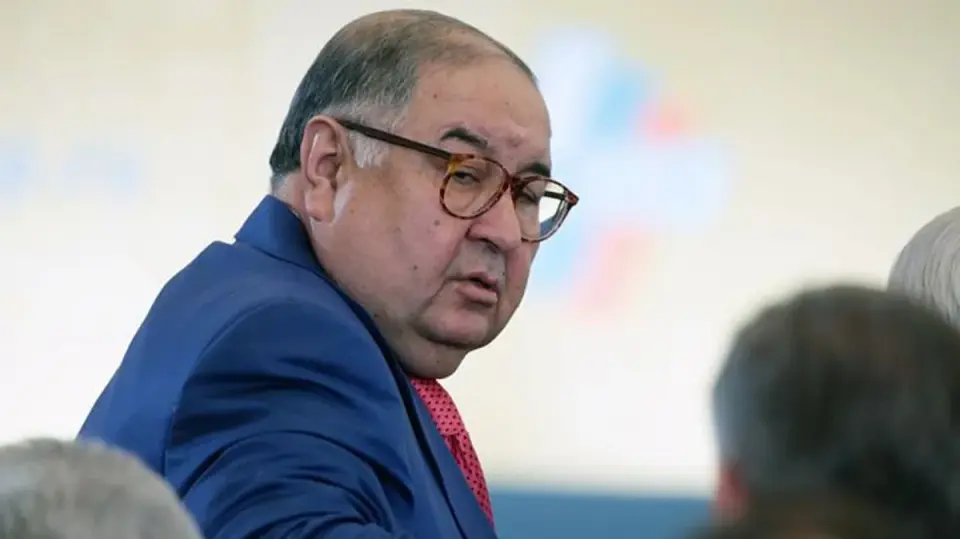
The EU extended sanctions against nearly 3,000 individuals for 36 months on September 22, but the deal required removing Russian-Uzbek oligarch Alisher Usmanov and Mikhail Fridman from the blacklist. France pushed for the delisting to secure the release of two French nationals detained in Azerbaijan, a move that caused significant diplomatic friction and raised concerns about setting a precedent for oligarchs to buy their way out of restrictions.
Key points
- The Council of the EU extended restrictive measures against individuals undermining Ukraine's sovereignty for an unprecedented 36 months on September 22.
- The extension was contingent on removing Alisher Usmanov and Mikhail Fridman from the sanctions list, a move opposed by several member states including Latvia and Ukraine.
- France cited 'national security' concerns to justify the delisting, which was later linked to the release of French citizen Martin Ryan from an Azerbaijani prison.
- EU diplomats described the episode as a 'low moment,' fearing it creates a dangerous precedent that could encourage other oligarchs to negotiate their freedom.
- Ukraine's foreign minister Andriy Sybiga denounced the delisting as 'unacceptable,' warning it sends the wrong signal to Moscow.
- The next major test for the sanctions regime is in October, when member states plan to add over 1,600 new names to the blacklist.
Background
This development follows weeks of stalled negotiations in Brussels, where Slovakia and France pushed to delist Usmanov and Fridman while other capitals resisted. Previous attempts to reach a unanimous agreement failed due to disagreements over the duration of the sanctions extension and the conditions for delisting. The EU had previously flagged plans for 1,600 additional sanctions on Russia's military-industrial complex, but the Usmanov issue dominated the September talks.
How outlets are covering it
Euronews and Ukrainska Pravda emphasize the diplomatic damage and the 'bitter aftertaste' left among EU officials, highlighting fears that the deal sets a precedent for oligarchs to bypass sanctions. Latvian Prime Minister Andris Kulbergs, as reported by Euronews, criticized the move as 'normalising Russia' and warned against the 'playbook' it leaves behind. The Guardian focuses on the broader context of the war, noting that EU foreign policy chief Kaja Kallas stressed the importance of maintaining sanctions as a 'core pillar' of the response to Russia, even as the delisting occurred. Ukraine's perspective, cited by The Guardian and Ukrainska Pravda, is one of outrage, with Kyiv calling the decision unjustified and planning to propose new sanctions measures to counter the move.
Why it matters
The delisting of Usmanov and Fridman undermines the EU's credibility in using sanctions as a tool against Russia's war effort. It raises concerns about the fragility of the unanimity requirement in EU foreign policy, where a single member state can block or force concessions. The precedent set could encourage other sanctioned individuals to negotiate their freedom through backdoor deals, weakening the overall sanctions regime. Additionally, the extension of sanctions for 36 months provides a longer-term framework, but the immediate damage to the EU's stance against Russia may have long-term implications for its foreign policy coherence.
What to watch
The EU will face a test in October when it seeks to add over 1,600 new names to the sanctions blacklist. The outcome of this expansion will indicate whether the Usmanov affair has hardened or softened member states' resolve. Ukraine is expected to propose new sanctions measures to counter the delisting, and the EU will continue to monitor the impact of the sanctions on Russia's war effort. The next few months will also see continued diplomatic efforts to manage the fallout from the Usmanov deal and to reinforce the EU's stance against Russia.
- Euronews reveals EU mood after Russian oligarch Usmanov sanctions lifted Українська правда
- France forces the EU to lift sanctions on a Russian oligarch The Economist
- Russia sanctions showdown leaves a bad taste Euronews.com
- Ukraine war briefing: Sanctions must continue, EU’s top diplomat stresses, as Russian attacks kill five The Guardian
- EU faces backlash after lifting sanctions on Russian billionaires Reuters
Want the full story? Read the original reporting
Read on Українська правда