
EU to Propose Record Sanctions Targeting 1,600 Russian Entities in Autumn
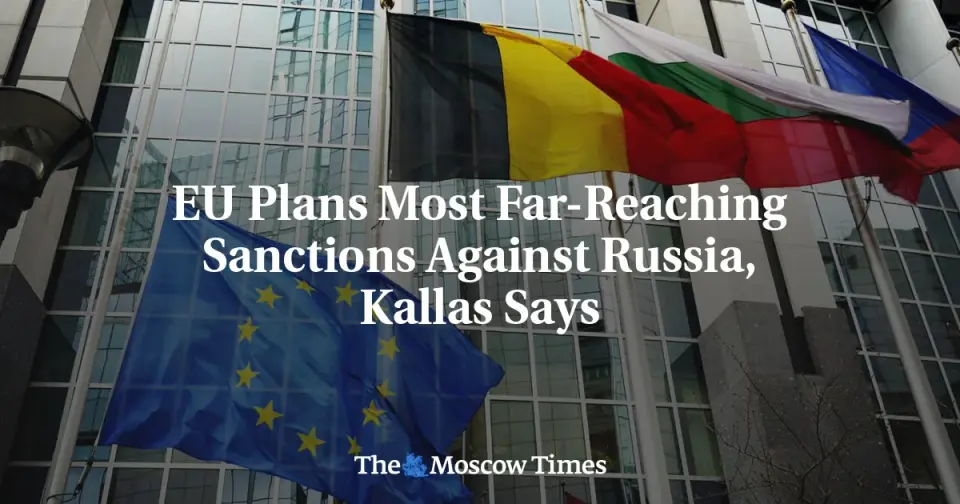
The European Union is preparing its most extensive sanctions package against Russia since the start of the war, targeting approximately 1,600 individuals and entities. EU foreign policy chief Kaja Kallas stated that these measures will increase the total number of sanctioned Russian targets by one-third, focusing on the military-industrial complex. The new listings, which include asset freezes and travel bans, are expected to be proposed in early September and adopted in October, bypassing sectoral disputes to speed up implementation.
Key points
- Kaja Kallas, head of the European External Action Service, announced plans for the 'most far-reaching' sanctions listings since 2022, aiming to raise the total count of sanctioned Russian entities by 33%.
- According to diplomatic sources cited by Reuters, the package targets around 1,600 individuals and entities, primarily within Russia's military-industrial complex, with measures including asset freezes and transaction bans.
- The EU has already sanctioned nearly 3,000 people and companies, freezing over €28 billion in private assets; Kallas estimates total economic damage to Russia exceeds €1 trillion.
- To avoid delays seen in previous packages, such as the 21st package stalled by Greece over LNG exemptions, the new listings exclude sectoral sanctions, which fall under the European Commission's purview.
- Additional waves of sanctions are planned for September, targeting those accused of trafficking Ukrainian children and engaging in hybrid warfare, including cyberattacks and misinformation campaigns.
Background
This development follows the approval of the 21st sanctions package in July 2026, which imposed curbs on Russia's banking sector and cryptocurrency networks after weeks of negotiation. The current push for individual designations reflects a strategic shift to bypass contentious sectoral measures, such as energy bans, that previously caused disagreements among member states. It also aligns with broader efforts to counter the multi-domain threats identified in recent defense reports, where Russia coordinates with other powers to evade Western economic pressure.
How outlets are covering it
While The Moscow Times and Euronews focus on the scale and economic impact of the new sanctions, SpaceNews highlights a specific aspect of the package, noting that leaders of Russia's space industry, including a Roscosmos subsidiary head, are among those targeted. Ukrainian outlet Ukrainska Pravda emphasizes the political significance, framing the move as the largest-ever package designed to sustain pressure until Moscow ends the war. All sources agree on the timeline and the unanimous approval requirement, but differ in emphasis: Western outlets stress the economic disruption, while the Ukrainian source highlights the symbolic and strategic intent to isolate Russia globally.
Why it matters
The expansion of sanctions to 1,600 new targets signals a significant escalation in economic warfare, aiming to cripple Russia's military-industrial base without triggering the political gridlock associated with sectoral bans. By focusing on individual designations, the EU seeks to maintain momentum and avoid the delays caused by member states' national economic interests, such as Greece's LNG concerns. This move also sets a precedent for future sanctions targeting hybrid warfare and human rights violations, potentially broadening the scope of international accountability for Russia's actions in Ukraine.
What to watch
The European External Action Service is expected to present the new sanctions list to EU countries in early September, with adoption targeted for October. Following this, the EU plans to propose additional listings in September for those accused of trafficking Ukrainian children and later in the fall for those involved in hybrid warfare activities, including cyberattacks and misinformation campaigns. The success of this package will depend on unanimous approval from all 27 member states, a process that has previously been hindered by national interests and disputes over sectoral measures.
- EU Plans Most Far-Reaching Sanctions Against Russia, Kallas Says The Moscow Times
- EU plans most far-reaching sanctions against Russia in coming months, Kallas says Reuters
- EU to propose tougher sanctions on Russia this autumn, Kaja Kallas says Euronews.com
- New EU sanctions target leaders of Russia’s space industry SpaceNews
- EU is preparing largest sanctions package against Russia Українська правда
Want the full story? Read the original reporting
Read on The Moscow Times