
China’s Overland Energy Corridors Are the New Front in Taiwan Deterrence
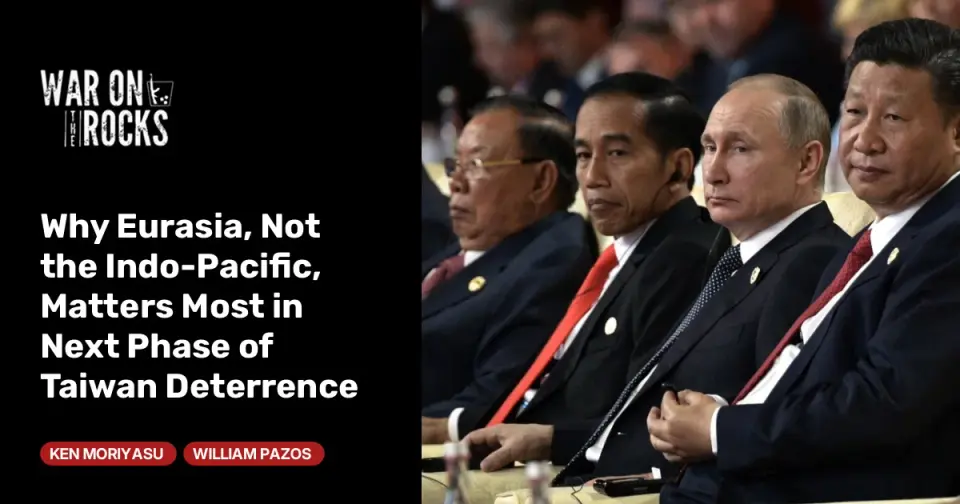
U.S. strategists are increasingly arguing that the next phase of the U.S.-China competition over Taiwan will not be decided solely in the Indo-Pacific, but on the Eurasian landmass. China is building overland energy and trade corridors to mitigate its vulnerability to a potential U.S. naval blockade of the Strait of Malacca. Washington is now considering diplomatic and economic strategies to complicate Beijing's continental supply lines, viewing this as a more cost-effective method of deterrence than traditional naval buildup.
Key points
- China is developing overland energy routes, such as the Central Asia-China gas pipeline and the Power of Siberia 2 pipeline, to reduce reliance on seaborne oil imports through the Strait of Malacca.
- U.S. officials argue that by securing these continental corridors, China gains the confidence to take greater military risks regarding Taiwan, as it can better withstand a potential maritime blockade.
- Washington is exploring ways to mobilize trade deal commitments from allies like Japan to finance infrastructure in Central Asia and the Caucasus, offering alternatives to Chinese Belt and Road projects.
- The U.S. is focusing on 'swing states' like Kazakhstan, Uzbekistan, and Azerbaijan, which control critical transit routes such as the Ganja Gap, to ensure these corridors remain contested rather than exclusively Chinese-controlled.
- Recent U.S. diplomatic initiatives, including potential visits by President Trump to Central Asia, aim to insert American influence into the interior of Eurasia to counter Beijing's continental strategy.
Background
This debate follows a period of heightened U.S. focus on the Indo-Pacific, including recent tensions in the South China Sea and the strategic implications of the Iran conflict, which tested U.S. deterrence capabilities and highlighted the strain on naval assets in the region.
How outlets are covering it
War on the Rocks argues that the U.S. is focusing on the wrong theater, suggesting that the key to deterrence lies in complicating China's continental energy corridors rather than just the maritime domain. In contrast, The Washington Post's George F. Will emphasizes the catastrophic consequences of a Chinese takeover of Taiwan, focusing on the direct military and diplomatic fallout of a blockade, without specifically detailing the overland corridor strategy.
Why it matters
The shift in U.S. strategic thinking toward Eurasia could reshape global alliances and economic partnerships, potentially reducing China's leverage in a future conflict over Taiwan and altering the balance of power in the Indo-Pacific.
What to watch
The U.S. may seek to renegotiate trade agreements with allies to fund infrastructure in Central Asia, while continuing diplomatic outreach to 'swing states' to ensure their alignment with Western interests in the region.
- Why Eurasia, Not the Indo-Pacific, Matters Most in Next Phase of Taiwan Deterrence War on the Rocks
- China would face a “hellscape” in a war over Taiwan economist.com
- Opinion | Weighing the ‘disastrous, cascading consequences’ if China takes Taiwan The Washington Post
- AIT head warns world economy needs Taiwan Taiwan News
- China & Taiwan Update, September 15, 2026 American Enterprise Institute - AEI
Want the full story? Read the original reporting
Read on War on the Rocks