Tag

Eurasia

All articles tagged with #eurasia

A 16,000-year bond: dogs woven into human life across Eurasia
science15 days ago

A 16,000-year bond: dogs woven into human life across Eurasia

Two Nature-published studies using ancient DNA and archaeology show dogs were living with humans across Eurasia by at least 16,000 years ago, with the Pınarbaşı dog in central Turkey (~15,800 years) buried with people and sharing food, and related dogs at Gough’s Cave in Britain (~14,300 years); later, dogs from Turkey interbred with European dogs brought by farmers about 8,500 years ago rather than replacing existing lineages, revealing a long, mobile, and deeply integrated relationship between dogs and humans before farming.

Ice-Age Dogs: Genetic Evidence Pushes Domestication to 15,800 Years Ago
science17 days ago

Ice-Age Dogs: Genetic Evidence Pushes Domestication to 15,800 Years Ago

Ancient DNA from dog remains across Anatolia, the UK, and Serbia shows dogs were widespread in Europe and western Asia by about 14,000 years ago, with the oldest specimen dating to 15,800 years. Isotopic data indicate dogs ate fish, suggesting they were fed by humans, and puppies buried with a human at Pınarbaşı point to deep emotional bonds. The findings push the origin of domesticated dogs to the last Ice Age and imply rapid spread and sustained human–dog relationships, with many modern European breeds tracing substantial ancestry to these ancient dogs.

Revealing the Rapid and Extensive Migration Routes of Neanderthals Across Eurasia
science10 months ago

Revealing the Rapid and Extensive Migration Routes of Neanderthals Across Eurasia

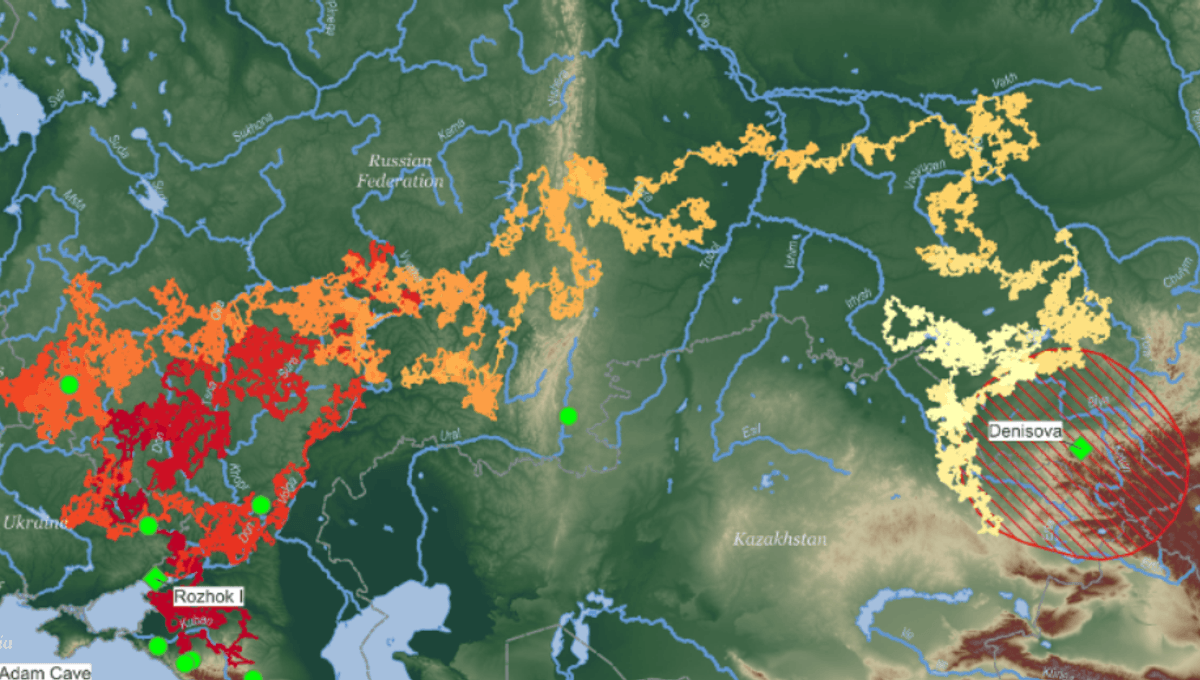
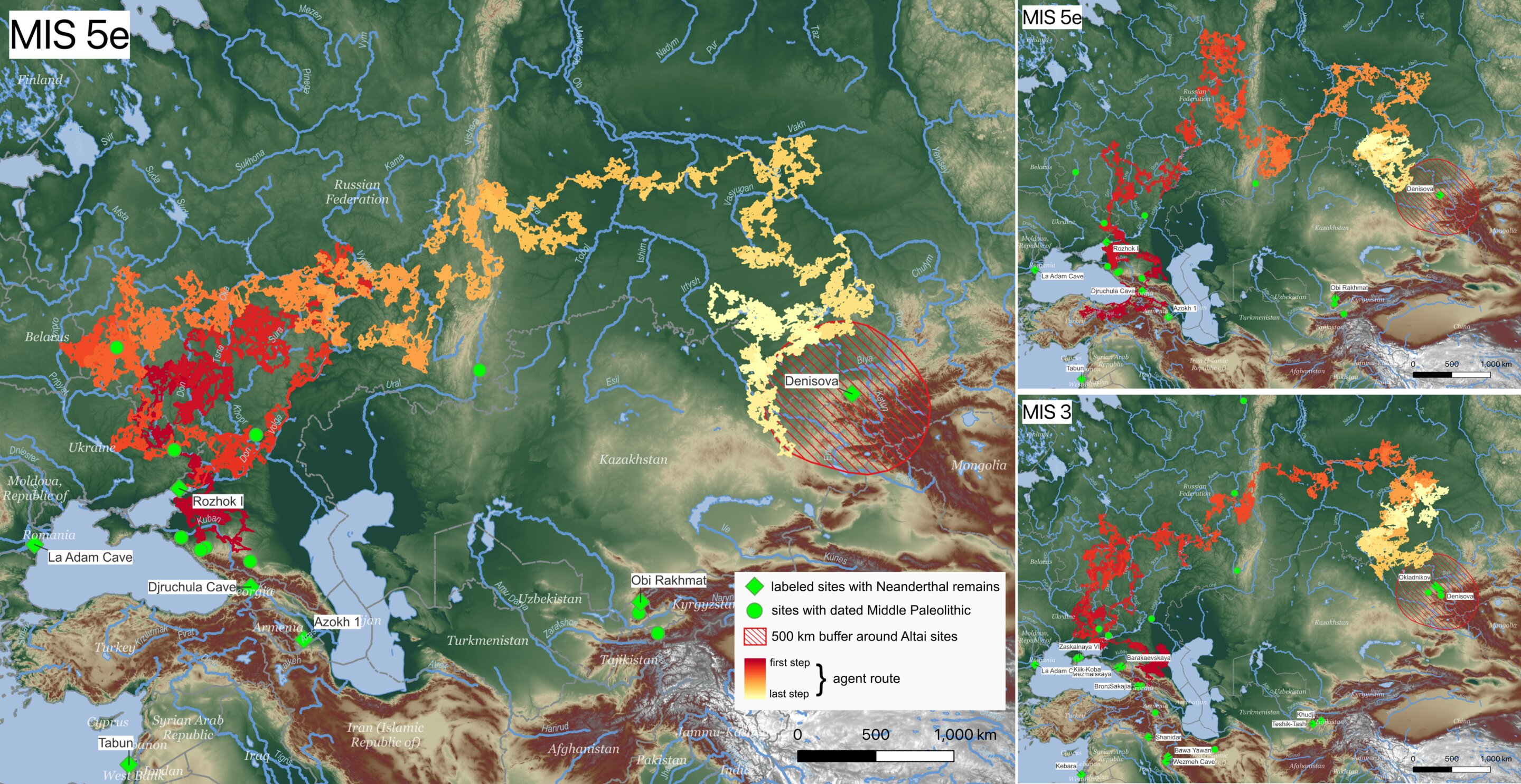
New computer simulations have mapped the likely migration routes of Neanderthals across Eurasia between 120,000 and 60,000 years ago, suggesting they used river valleys to traverse rugged terrain rapidly during warm periods, reaching Siberia's Altai Mountains within 2,000 years. This research provides insight into their swift movement despite geographical obstacles and highlights their extensive range before extinction around 40,000 years ago.

Anthropologists Trace Neanderthals' Migration Routes Across Eurasia
science10 months ago

Anthropologists Trace Neanderthals' Migration Routes Across Eurasia

Anthropologists used computer simulations to map possible rapid migration routes of Neanderthals across Eurasia, suggesting they could have traveled over 2,000 miles in less than 2,000 years during warm periods, primarily following river valleys and crossing challenging terrains, which sheds light on their interactions with other ancient human groups.

"Modern Humans' 20,000-Year Stay on the Persian Plateau: A Study"
archaeology2 years ago

"Modern Humans' 20,000-Year Stay on the Persian Plateau: A Study"

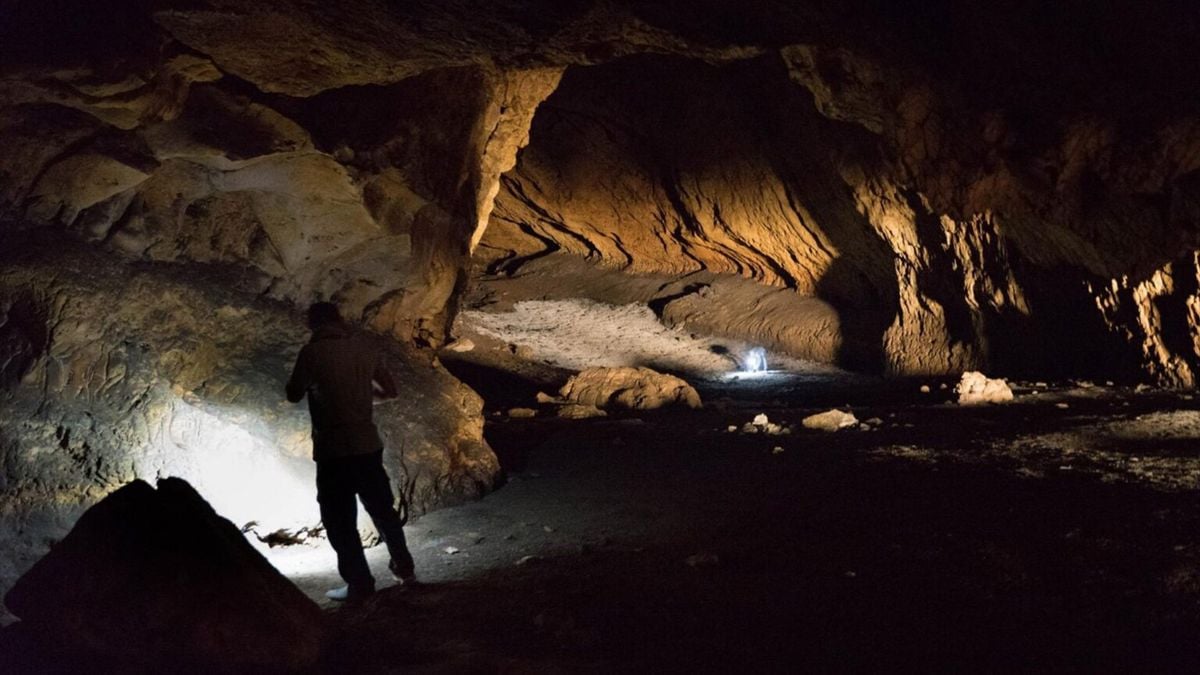
A study suggests that Homo sapiens may have lived on the Persian plateau for 20,000 years after leaving Africa, filling a gap in their migration history. The researchers propose that this region served as a population hub for early humans, based on climate models and genetic data. However, some experts believe more evidence is needed to support this hypothesis, emphasizing the necessity of additional hominin fossils and climate data.

"Duck-billed Dinosaur Migration: From Eurasia to Africa"
paleontology2 years ago

"Duck-billed Dinosaur Migration: From Eurasia to Africa"

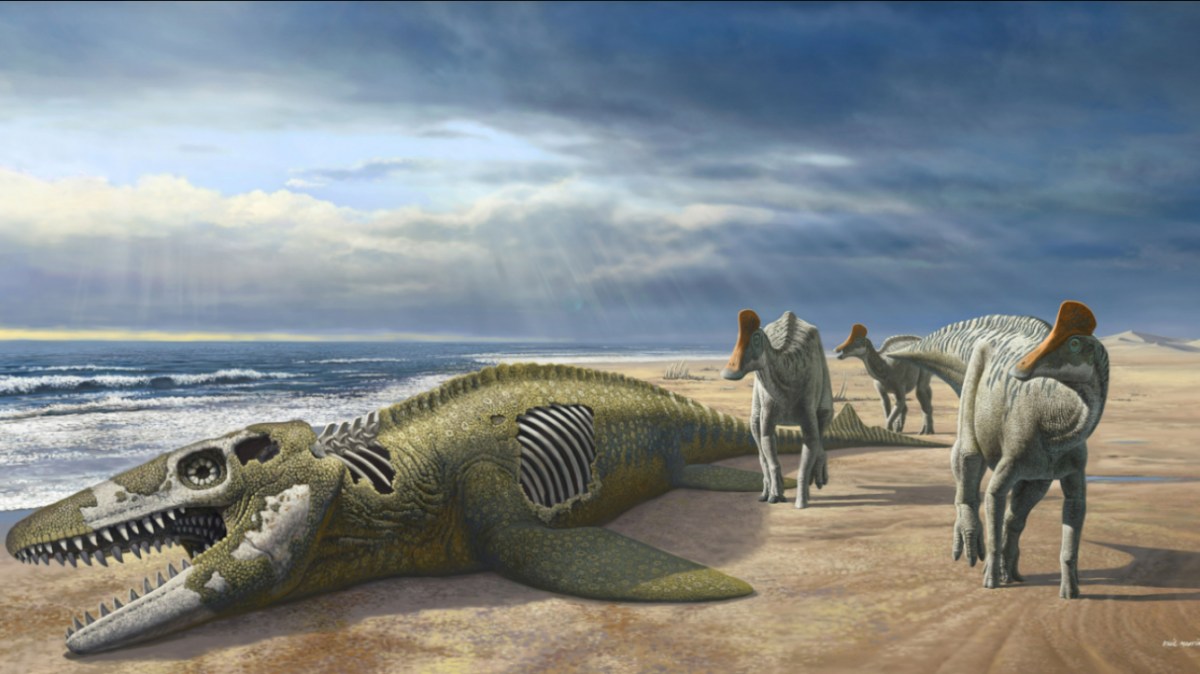
Scientists have proposed that a duck-billed dinosaur may have swum across an ocean from Eurasia to Africa, challenging the traditional belief that all dinosaurs were strictly land-based. This theory arose from the need to explain how the dinosaur species could have traveled such a distance when Africa was surrounded by water, and it opens up new possibilities for understanding the capabilities of these ancient creatures.

"The Impact of Eurasia's East-West Axis on History"
science2 years ago

"The Impact of Eurasia's East-West Axis on History"

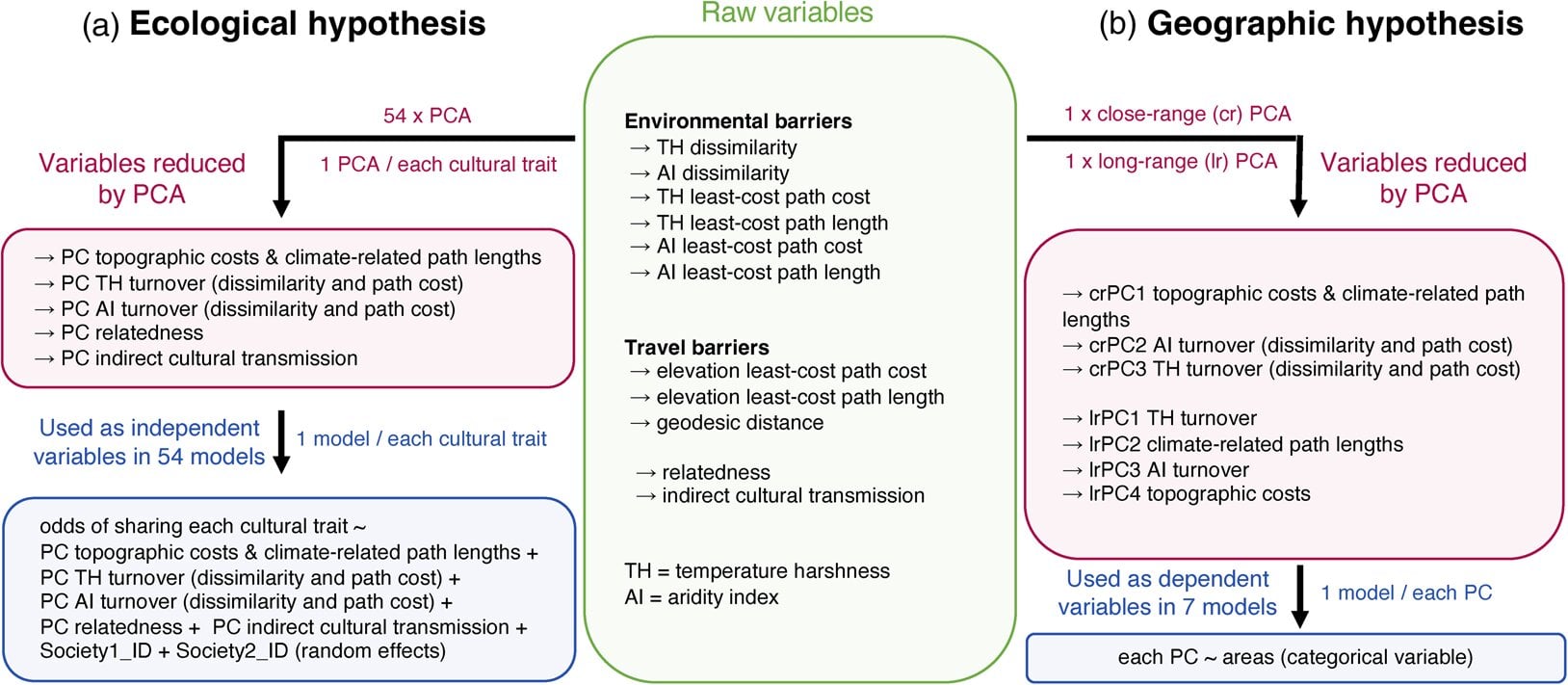
A new study tests Jared Diamond's hypothesis that Eurasia's unique East-West axis contributed to its rapid cultural development. The study finds that environmental factors and travel costs do hinder the spread of cultural traits, but contrary to Diamond's expectations, Eurasia is not significantly more ecologically homogeneous than other regions. The study emphasizes that while geography, genetics, and ecology matter, they do not determine destiny, and provides a new perspective based on quantitative data for understanding the impact of geography on cultural transmission.

Mapping the Ancient Migration: Tracing Humans' Journey Out of Africa
archaeologyanthropology2 years ago

Mapping the Ancient Migration: Tracing Humans' Journey Out of Africa

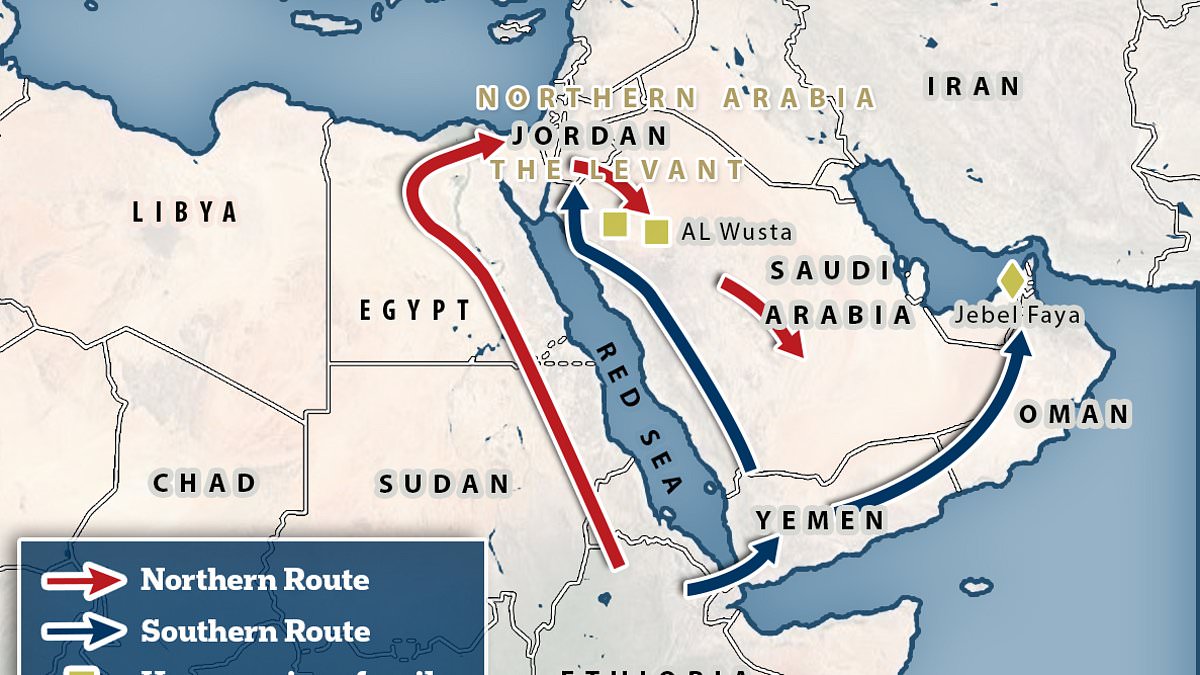
A new study reveals a newly-discovered route that early humans took when they left Africa for Eurasia 80,000 years ago. In addition to the southern crossing via the Red Sea, researchers have found evidence of a northern passage through a well-watered corridor of rivers across the Sinai peninsula and through The Levant towards western Asia and northern Arabia via Jordan. The discovery of abandoned hand tools along this route supports the theory that hunter-gatherers used this land-route to migrate out of Africa.