
Europe’s Hybrid War Dilemma: NATO Weighs Article 5 as Russian Sabotage Escalates
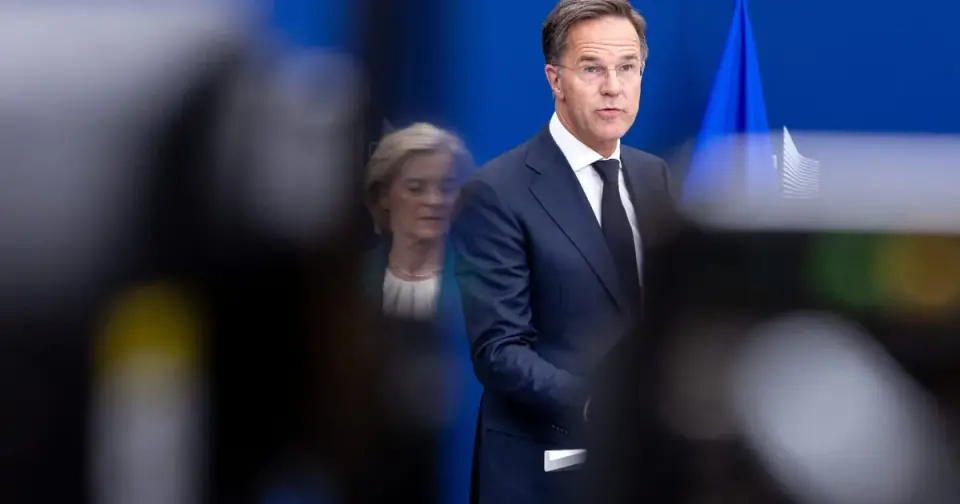
NATO and EU leaders are debating how to respond to a surge in Russian hybrid attacks, including sabotage and cyber operations, across Europe. While officials acknowledge the rising threat, they are hesitant to invoke collective defense mechanisms due to fears of escalation and uncertainty regarding U.S. support. Recent incidents, such as a drone strike near the Polish border and explosions in Bulgaria, have intensified pressure for a unified response, though no immediate drastic measures have been adopted.
Key points
- NATO Secretary General Mark Rutte stated that while response options exist, the current strategy is to maintain calm and continue support for Ukraine.
- Recent incidents include a Russian drone hitting a train near the Polish-Ukrainian border and two explosions at weapons storage sites in Bulgaria.
- Diplomats are informally discussing whether a cumulative series of sub-conventional attacks could trigger NATO’s Article 5 mutual defense clause.
- The European Commission is expected to present a new security strategy focusing on hybrid threats, while the European Parliament prepares a resolution labeling Russia the 'gravest hybrid threat.'
- Ukrainian intelligence chief Kyrylo Budanov offered Ukraine’s military experience to European nations, stating that Kyiv is ready to help Europe counter Moscow’s hybrid operations.
Background
This escalation follows a pattern of increasing Russian hybrid activities in Europe, including AI-driven cyberespionage against defense and government targets in late 2026. Earlier in the year, Russia launched major missile barrages on Kyiv, while Ukraine escalated drone operations, prompting warnings about the safety of Russian airspace. These events have heightened concerns about the spillover of the conflict into European territory.
How outlets are covering it
POLITICO reports that NATO is currently avoiding drastic steps to prevent escalation into all-out war, with some allies wary that invoking Article 5 might expose U.S. President Donald Trump’s reluctance to support collective defense. In contrast, The Atlantic argues that Moscow’s strategy is intentionally hybrid, aiming to intimidate Europe into stopping support for Ukraine without triggering a conventional war. Euronews highlights the perspective of Ukrainian officials, who believe Europe is finally recognizing the threat and should leverage Ukraine’s combat experience to counter Russian sabotage. Critics like former Lithuanian foreign minister Gabrielius Landsbergis argue that Europe’s inaction invites further escalation, while NATO officials emphasize the need for clear political will to avoid hollowing out the collective defense clause.
Why it matters
The inability of European and NATO leaders to reach a consensus on a unified response to hybrid attacks risks undermining the credibility of the alliance. If sub-conventional sabotage continues without a coordinated countermeasure, it could embolden further Russian aggression and leave critical infrastructure vulnerable. The debate over Article 5 also highlights the fragility of transatlantic security guarantees amid shifting U.S. political priorities.
What to watch
The European Commission is expected to present a new security strategy in the coming weeks, focusing on hybrid threats and civilian preparedness. The European Parliament is set to adopt a resolution calling for strengthened agency capacity against hybrid activities. NATO allies may continue informal discussions on attributing attacks to the Kremlin and defining the threshold for collective defense, though no formal plans have been drawn up yet.
- Europe hesitates as Russian attacks escalate politico.eu
- Russia’s Real Strategy in Europe The Atlantic
- Russia’s Threats to Europe Extend Beyond Ukraine The Dispatch
- Budanov: Europe is finally waking up to Russia’s hybrid warfare euronews.com
- Shadows Over CEE: Hybrid Sabotage and the Creeping Political Drift Away from Ukraine defense.info
Want the full story? Read the original reporting
Read on politico.eu