
German Officials Warn of Escalating Russian Hybrid Threats and Potential Future Targets
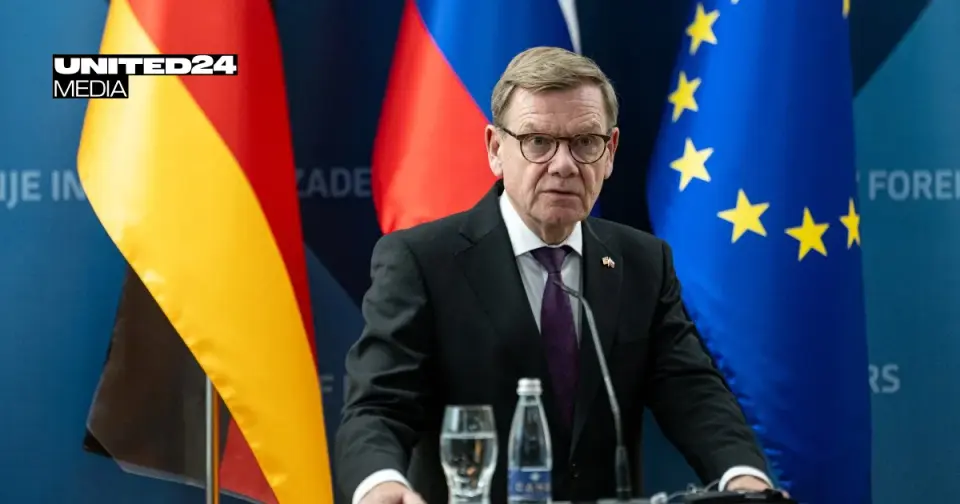
German Foreign Minister Johann Wadephul and intelligence chiefs warn that Russia’s hybrid warfare against Europe is escalating. Wadephul identified Ukraine, Georgia, Moldova, and the Baltic states as potential future targets, while intelligence services reported that Moscow is planning attacks on NATO infrastructure, including transport and defense sectors, with a disregard for civilian casualties.
Key points
- Foreign Minister Johann Wadephul stated on October 6 that Russia may target Ukraine, Georgia, Moldova, Estonia, Latvia, and Lithuania, citing Vladimir Putin’s historical views on the Soviet Union’s dissolution.
- German intelligence chiefs briefed parliament on October 5, warning that Russia’s 'shadow war' has entered a new phase with plots against NATO soil, including attacks on transport networks and military sites.
- BND chief Martin Jäger warned that Germany is Russia’s primary adversary and faces a risk of being drawn into a violent conflict, urging a clear deterrence message to Moscow.
- BfV chief Sinan Selen noted that recent arrests in Europe indicate Russia is prepared to accept civilian casualties to disrupt support for Ukraine, referencing the August 2026 drone incident at Leipzig/Halle airport.
- NATO assessments suggest Russia could be ready for a full-scale conflict by 2029, but smaller-scale provocations, similar to the 2014 'little green men' operations in Crimea, are possible sooner.
Background
This escalation follows a series of recent tensions, including Russia’s move to close Goethe-Institut centers in Germany in September 2026 and the fast-tracking of new intelligence laws in Germany after the Leipzig drone plot. Additionally, Russia’s 2027 budget draft, which includes tax hikes to cover war deficits, reflects the financial strain of its ongoing military operations.
How outlets are covering it
While UNITED24 Media focuses on Wadephul’s specific list of potential future targets based on historical assertions, the Financial Times emphasizes the immediate, tangible threat of hybrid attacks on European infrastructure and the intelligence community’s assessment of Russia’s willingness to accept civilian casualties. The FT highlights the strategic risk of a full-scale conflict by 2029, whereas UNITED24 centers on the diplomatic and geopolitical framing of Russia’s ambitions.
Why it matters
The warnings from German officials signal a significant shift in the security landscape for Europe, indicating that the conflict in Ukraine is no longer contained. The explicit mention of potential targets and the escalation of hybrid warfare suggest that NATO and EU member states may need to prepare for more direct confrontations with Russia, potentially altering defense policies and alliances in the coming years.
What to watch
Germany and its NATO allies are expected to increase deterrence measures and intelligence cooperation to counter Russian hybrid threats. There may be further public discussions on defense readiness and potential legislative changes to address the growing security risks posed by Moscow's actions.
- Germany’s Foreign Minister Names Five European Countries Russia Could Target Next UNITED24 Media
- Germany at risk of violent conflict with Russia, intelligence chief says Reuters
- Russia’s ‘shadow war’ with Europe enters new phase, Germany warns Financial Times
- Germany faces a triple threat from Russia, China and domestic far-right extremists DW.com
- German Spy Chief Sees ‘New, More Dangerous’ Threat From Russia Bloomberg.com
Want the full story? Read the original reporting
Read on UNITED24 Media