
Berlin to Blame Moscow for Leipzig Drone Plot Amid EU Sanctions Push
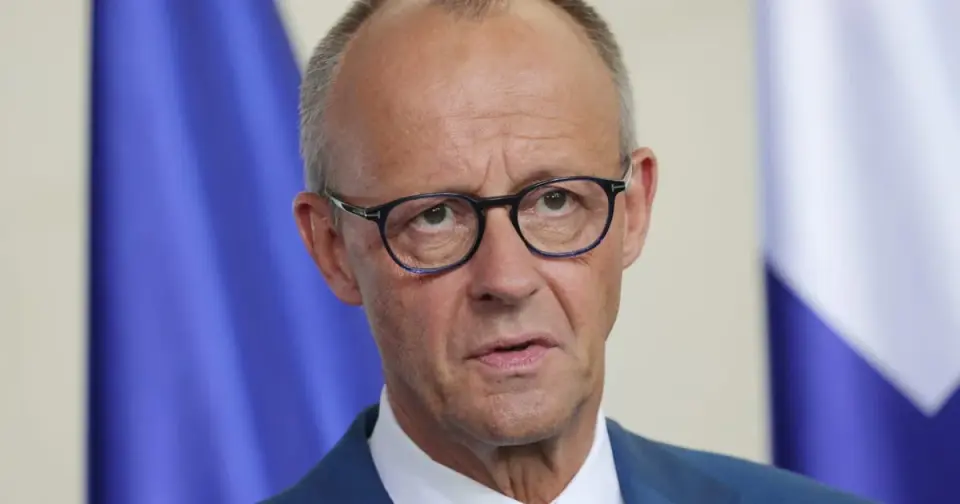
German Chancellor Friedrich Merz is set to officially attribute the recent explosive drone incident at Leipzig/Halle Airport to Russia, marking a significant escalation in Berlin’s stance against Moscow. This move coincides with new, extensive EU sanctions targeting Russian entities and individuals. The decision follows a series of sabotage attempts across Europe, including a weapons cache found near Berlin, and comes amid heightened tensions and upcoming German state elections.
Key points
- Chancellor Merz plans to announce 'extensive' sanctions against Russian entities in early September, aligning with new EU measures.
- The Leipzig incident involved a drone rigged with explosives that failed to detonate near a Ukrainian Antonov cargo plane used for military supplies.
- U.S. intelligence assesses the drone’s construction and explosives are typical of those used by Russia’s Military Intelligence Directorate (GRU).
- A third drone and suspected military explosives were found near the airport on August 14, suggesting a larger planned attack.
- The EU is reviewing 1,600 new sanctions listings, including 800 individuals and 800 companies, with adoption expected in mid-October.
Background
This escalation follows a series of security incidents in Europe, including a weapons cache discovered near Berlin and sabotage attempts in Romania, Slovakia, and Estonia. In August 2026, a drone with explosives was found at Leipzig/Halle Airport, a key logistics hub for NATO and Ukraine. Previous coverage indicated that while U.S. intelligence linked the attack to Russia, German authorities had previously avoided direct attribution due to a high evidentiary threshold. The current move is described by some officials as a 'Zeitenwende 2.0,' echoing the 2022 defense shift after Russia's invasion of Ukraine.
How outlets are covering it
While POLITICO and The Washington Post highlight the impending official German attribution and the parallel EU sanctions, ABC News emphasizes the U.S. intelligence assessment linking the device to the GRU. The Guardian focuses on the technical details of the failed attack and the discovery of a third drone, noting that German authorities had previously avoided a clear position. Russia’s Foreign Intelligence Service (SVR) has denied involvement, accusing European media of premature conclusions. The Washington Post notes that while Europe eyes Russia for these acts, Germany has historically treaded lightly on direct attribution, making this upcoming announcement a significant shift.
Why it matters
This move signals a hardening of Western policy toward Russia, potentially leading to a new phase of hybrid warfare and sanctions. It impacts NATO cohesion, as the EU prepares to 'pull out all the stops' with sanctions, and could influence domestic German politics ahead of state elections where pro-Russia parties are gaining ground. The official attribution may also pave the way for increased arms deliveries to Ukraine and a more confrontational stance in European security policy.
What to watch
Merz is expected to announce the attribution and sanctions in early September, coinciding with an EU foreign ministers’ meeting in Ireland. The EU is expected to adopt the new sanctions package in mid-October. Germany is also preparing for potential punitive measures from Moscow in response to the attribution and sanctions.
- Germany plans to blame Russia for Leipzig attack as tensions with Putin escalate politico.eu
- Europe eyes Russia in attacks on weapons and cargo. But Germany treads lightly. The Washington Post
- French security chief sees new threats after Leipzig drone attack Reuters
- Explosive drone at German airport linked to Russian military intelligence, US intel source says ABC News - Breaking News, Latest News and Videos
- Third drone and suspected military explosives found near Leipzig airport The Guardian
Want the full story? Read the original reporting
Read on politico.eu