
Climate and Conflict Converge to Choke Ukraine’s Grain and Power Lifelines
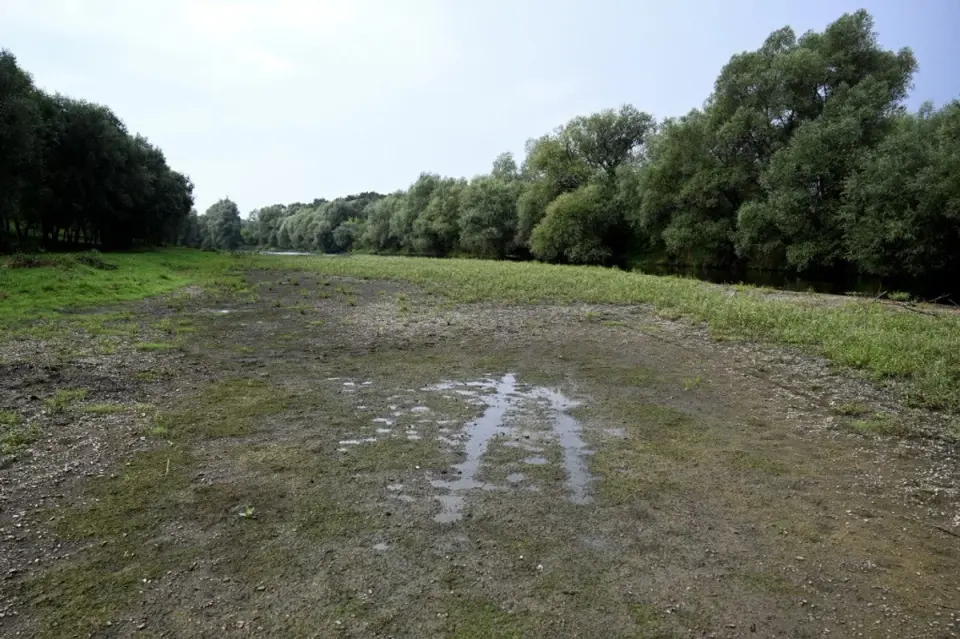
Ukraine’s alternative export and energy routes are failing due to Russian strikes and European drought. Black Sea shipping has halted, while low Danube levels disrupt rail, road, and nuclear cooling. This dual crisis threatens global food prices and Ukraine’s power grid.
Key points
- No grain vessels have entered Odesa ports since late July after a Russian missile strike killed 10 crew members, causing shipping companies to suspend services.
- Ukraine’s Agriculture Minister warns that 30 million tons of grain may fail to reach markets, with rail and Danube routes capable of handling only one-third of Black Sea capacity.
- Hungary’s Paks nuclear plant reduced output to 10% due to low Danube water levels, while Romania’s Cernavoda plant faced potential shutdowns, threatening Ukraine’s electricity imports.
- Ukraine requested 220 million euros from the European Commission to subsidize loans for farmers holding grain, as overland transport costs 50 to 70 dollars more per ton than sea freight.
- A World Weather Attribution analysis found that highly evaporative conditions in eastern Europe were 40 times more likely due to human-caused climate change, exacerbating the crisis.
Background
Ukraine previously adapted to Russian attacks by shifting grain exports to rail, roads, and the Danube, and by importing electricity from Europe. However, these backup systems are now failing due to simultaneous Russian strikes on alternative infrastructure and extreme weather events in Europe.
How outlets are covering it
Newsweek and Kyiv Post emphasize the intersection of climate change and war, noting that drought is crippling the very backup systems Ukraine relied on. Politico highlights the political friction in the EU, where Poland maintains a grain embargo despite agreeing to transit routes, fearing domestic backlash from farmers. The Conversation focuses on the global food security implications, noting that Ukraine supplies 50% of the world’s sunflower oil and that the blockade could trigger a 25-30% price increase. While all sources agree on the severity of the export crisis, they differ on the primary driver: Kyiv Post stresses climate vulnerability, while Politico and The Conversation focus on geopolitical and trade barriers.
Why it matters
The convergence of Russian military aggression and climate-induced infrastructure failure threatens to destabilize global food and energy markets. If Ukraine cannot export its harvest, global prices may spike, while Europe’s nuclear power deficits could leave Ukraine without critical electricity imports, further weakening its resilience against Russian attacks.
What to watch
Ukraine has proposed a truce on Black Sea attacks to Russia, but Moscow has not responded. The European Commission is reviewing Ukraine’s request for 220 million euros in aid. If the Black Sea blockade continues, Ukraine may face a storage crisis by November when the new harvest arrives, potentially leading to a global food inflation event similar to 2022.
- Putin Has an Unexpected Ally in Ukraine’s War: Europe’s Heat and Drought Kyiv Post
- Ukraine's farmers despair as Russia's Black Sea blockade traps their harvest Reuters
- Ukraine Says Black Sea Port Closures May Halve Farm Exports Bloomberg
- How Russian attacks, European protectionism and drought are trapping Ukraine’s vital grain politico.eu
- Russia is cutting off Ukraine’s grain exports again, threatening a critical harvest and global food security The Conversation
Want the full story? Read the original reporting
Read on Kyiv Post