
Hormuz Shipping Crisis and Houthi Strikes Drive Global Disruption
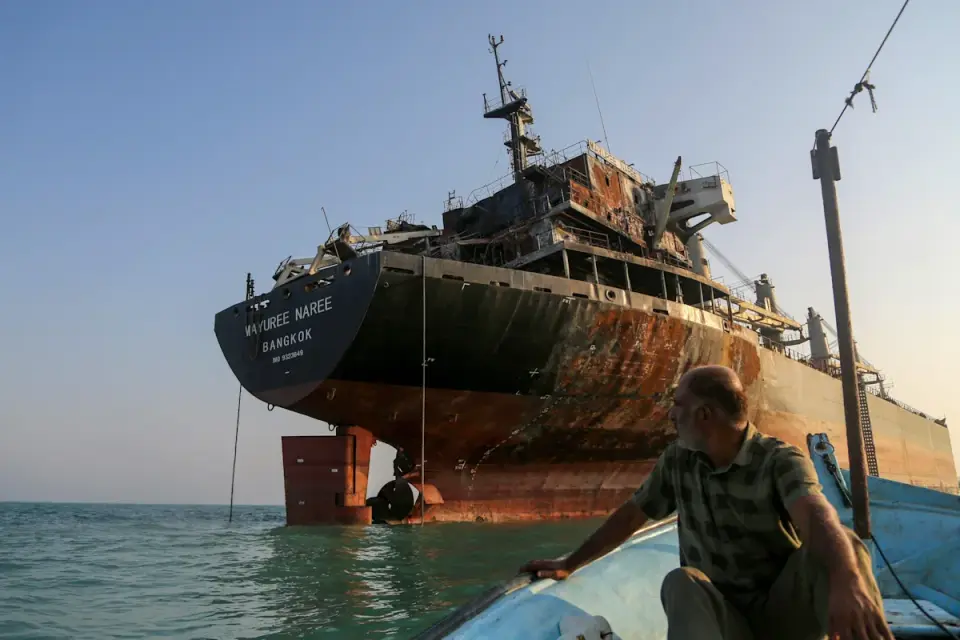
Maritime security in the Strait of Hormuz has deteriorated sharply, with Greek monitor Marisks confirming three strikes on vessels this week despite ships disabling tracking systems. Simultaneously, Iran-backed Houthis escalated attacks on Saudi Arabia, targeting the presidential palace in Aden and intercepting missiles near Medina. These conflicts have forced the postponement of major Saudi events, including the Asian Tour golf finale and the Six Kings Slam tennis exhibition, while the EU seeks more naval assets for its Red Sea mission. In related developments, U.S. inflation rose to 3.7% in September due to energy costs, and Iran claimed the strait is closed, citing high U.S. gas prices.
Key points
- Greek maritime monitor Marisks confirmed three strikes on vessels in the Strait of Hormuz this week, noting that disabling tracking systems does not prevent indiscriminate attacks.
- Houthis struck the presidential palace in Aden, Yemen, killing four and wounding ten, while also firing ballistic missiles at Marib.
- The Saudi-led coalition intercepted a cruise missile over the Medina region, though Houthis denied responsibility for attacks on the holy city.
- Major Saudi events were postponed, including the Asian Tour golf finale and the Six Kings Slam tennis tournament, due to security concerns.
- U.S. inflation accelerated to 3.7% in September, with gasoline prices rising 34.2% year-over-year, driven by energy shocks from regional conflicts.
- Iranian officials claimed the Strait of Hormuz is closed, linking high U.S. gas prices to restricted oil flows, while the U.S. considered easing sanctions on Iran's shadow fleet to lower shipping costs.
Background
This escalation follows a period of intense maritime conflict in the Strait of Hormuz, where oil flows dropped 40% below pre-war levels in early October. Recent archive reports highlighted the sinking of two container ships, the GFS Pride and Cape Dao, amid Iranian attacks aimed at disrupting energy exports ahead of U.S. midterm elections. The current surge in attacks, with 23 incidents recorded in October, nearly doubles the monthly average since the start of the war, reflecting Tehran's strategy to impose costs on global energy markets and commercial shipping.
Why it matters
The instability in the Strait of Hormuz and escalating Houthi attacks threaten global energy supplies and trade routes, directly impacting inflation and economic stability. The postponement of high-profile Saudi events signals the tangible impact of regional conflict on international business and diplomacy, while the U.S. consideration of easing sanctions indicates a potential shift in policy to mitigate shipping costs.
What to watch
The EU is urging member states to deploy more ships to Operation ASPIDES to escort vessels through the Red Sea. Saudi Arabia is offering alternative travel routes for its upcoming investment conference, while the U.S. continues to evaluate sanctions relief for Iran's tankers. In Lebanon, President Aoun is pressing the U.S. to enforce the trilateral agreement with Israel, and Iran remains prepared for potential conflict despite ongoing negotiations.
Want the full story? Read the original reporting
Read on Yahoo