
Houthis Claim Strike on Saudi Rabigh Refinery as Gulf Attacks Escalate
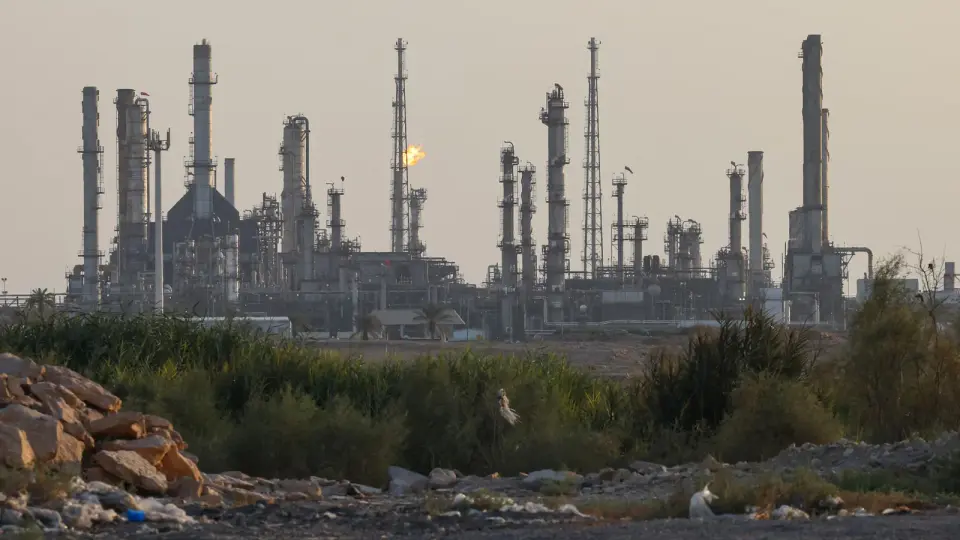
Yemen’s Iran-aligned Houthis claimed a direct hit on Saudi Arabia’s Rabigh oil refinery on Sunday, marking the latest escalation in a widening regional conflict. While Saudi authorities have not confirmed damage, the Saudi-led coalition reported intercepting a drone aimed at the western region. The attack coincides with multiple incidents across the Gulf, including an Iranian strike on a Bahraini facility that injured two people. Diplomatic efforts to end the war between the U.S.-Israel and Iran remain stalled, with President Trump warning of potential military strikes against Tehran next year if negotiations fail.
Key points
- Houthis claimed a direct hit on the Petro Rabigh complex, a major refining hub developed by Saudi Aramco and Sumitomo Chemical, though the extent of damage is unclear.
- The Saudi-led coalition confirmed intercepting and destroying a Houthi drone targeting Saudi Arabia’s western region, which houses critical energy infrastructure.
- Gulf nations reported intensified attacks over the weekend, including an Iranian strike on a civilian industrial facility in Bahrain that injured two people.
- President Trump warned he is inclined to order military strikes against Iran next year if diplomatic talks fail, describing Iranian officials as stalling while escalating hostilities.
- Global oil prices remained relatively stable, with Brent futures trading at $92.35 per barrel and WTI at $83.25, despite the ongoing disruptions to energy flows.
Background
This incident follows a series of Houthi attacks on Saudi energy infrastructure in October and November, including strikes on the East-West pipeline and Ras Tanura refinery. Previous escalations included a deadly attack on King Khalid International Airport in Riyadh that killed 13 people in October, prompting Saudi airstrikes on Houthi-controlled oil depots in Yemen. The current conflict is part of a broader war between the U.S.-Israel and Iran that began in late February, which has disrupted crude shipments through the Strait of Hormuz and increased global commodity prices.
How outlets are covering it
CNBC and The Jerusalem Post both report the Houthi claim of a direct hit on the Rabigh refinery, noting that Saudi authorities have not confirmed the damage or provided immediate comment. The Jerusalem Post highlights that Saudi Arabia has not confirmed any attacks on refineries, while CNBC emphasizes the broader context of Gulf-wide attacks and diplomatic impasses. ABNA English focuses on a different aspect of the conflict, reporting that Yemeni forces used new domestically produced Rajum drones to strike Saudi-backed forces in Yemen, framing the conflict as a retaliatory response to Saudi airstrikes on Sana'a. While all sources acknowledge the escalation, they differ in focus: CNBC and The Jerusalem Post emphasize the impact on Saudi energy infrastructure and regional diplomacy, whereas ABNA English highlights Yemen's military capabilities and the domestic dimension of the war.
Why it matters
The attack on Rabigh underscores the vulnerability of critical energy infrastructure in the region and the potential for further escalation in the U.S.-Iran conflict. As diplomatic talks stall, the risk of direct military confrontation increases, which could disrupt global oil supplies and raise commodity prices. The involvement of multiple Gulf states in the conflict highlights the interconnected nature of regional security and the challenges of achieving a negotiated peace.
What to watch
Analysts expect continued volatility in oil markets as the conflict persists. Diplomatic efforts via Qatari mediators may resume, but President Trump’s warning of potential military strikes suggests a high risk of further escalation if no agreement is reached. Saudi Arabia may intensify airstrikes against Houthi positions in Yemen, while the Houthis could target additional energy infrastructure in Saudi Arabia. The situation in the Gulf of Oman remains tense, with maritime agencies urging vessels to stay vigilant.
- Yemen's Houthis claim attacks on Saudi oil refinery as Trump warns of new strikes next year CNBC
- Yemen's Houthis say they attacked Saudi Rabigh oil refinery The Jerusalem Post
- Yemeni Armed Forces Announce Execution of Two Major Military Operations Deep Within Saudi Territory وكالة سبأ
- Yemen says new domestically made Rajum drones struck Saudi-backed forces ABNA English
- Military Source: "Aramco," lifeline of Saudi economy, is under constant attack by Yemeni Armed Forces وكالة سبأ
Want the full story? Read the original reporting
Read on CNBC