
Houthis pledge to spare European vessels as Red Sea container traffic rebounds
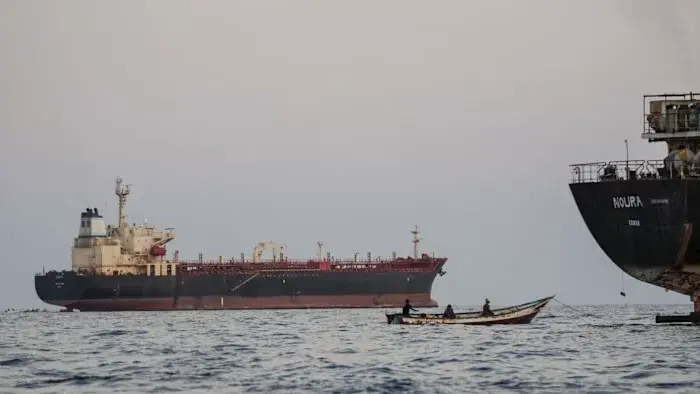
Iranian-backed Houthis in Yemen have assured the European Union they will not target European ships in the Red Sea, even as they consolidate control over the Bab al-Mandeb Strait. This diplomatic outreach coincides with a significant recovery in container shipping through the Suez Canal, with vessel numbers reaching their highest levels in nearly three years. While the Houthis have also signaled to the United States that they do not wish to engage in conflict, their recent offensive against Saudi Arabia and seizure of key coastal ports have heightened regional tensions. International shipping companies are cautiously resuming operations, noting that no container ships have been attacked in over a year despite increased traffic.
Key points
- Houthis sent a letter to the EU’s foreign and security policy arm on September 10, promising not to target European ships or disrupt freedom of navigation through the Bab al-Mandeb Strait.
- Container shipping through the Red Sea has reached approximately 30% of pre-2023 capacity levels, with major lines like Maersk and CMA CGM increasing services.
- The Houthis seized the Yemeni port of Mocha on September 10 and captured several Red Sea islands, tightening their grip on the strategic waterway.
- US President Donald Trump stated that the Houthis have assured Washington they do not want to fight the US, though he designated them as a terrorist group.
- France and the UK are providing defensive military support to Saudi Arabia, including troops, radar systems, and refueling aircraft, to protect oil infrastructure in Yanbu.
Background
This development follows a period of heightened instability in the Red Sea, including the first deadly Houthi attack on a cargo ship in August 2026, which killed six crew members. The Houthis had previously disrupted maritime traffic for nearly two years following the 2023 Hamas attack and the subsequent Israel-Gaza war. The current situation is also influenced by broader regional tensions, including Iran’s throttling of traffic through the Strait of Hormuz during its conflict with the US.
Why it matters
The Houthi pledge to spare European ships is critical for stabilizing global supply chains and energy markets. The Bab al-Mandeb Strait is a vital link between the Red Sea and the Indian Ocean, and its disruption has previously caused significant oil price volatility. The return of container shipping to near-pre-2023 levels suggests a potential de-escalation of maritime risks, although the ongoing conflict with Saudi Arabia and the seizure of key ports by the Houthis remain major concerns for regional security and global trade.
What to watch
The EU is holding discussions with Saudi Arabia about combining maritime task forces to protect shipping in the region. Saudi Arabia has also been establishing a naval coalition with regional allies. The US and other nations are providing defensive support to Saudi Arabia, but the US has so far rejected Riyadh’s appeals for direct military support against the Houthis. The situation will likely remain fluid as the Houthis continue to consolidate their control over the Red Sea coast and the Bab al-Mandeb Strait.
Want the full story? Read the original reporting
Read on Financial Times